Skip to content
You can now search across every topic, entity and event.What's new
Iran Conflict 2026
26JUL

Bessent locks Iran's funds in Qatar

3 min read
12:01UTC

Scott Bessent said the disputed $12 billion in frozen Iranian funds would sit in a US-controlled escrow in Qatar, spendable only on American food and medicine. Iran rejected the terms.

ConflictDeveloping
Key takeaway

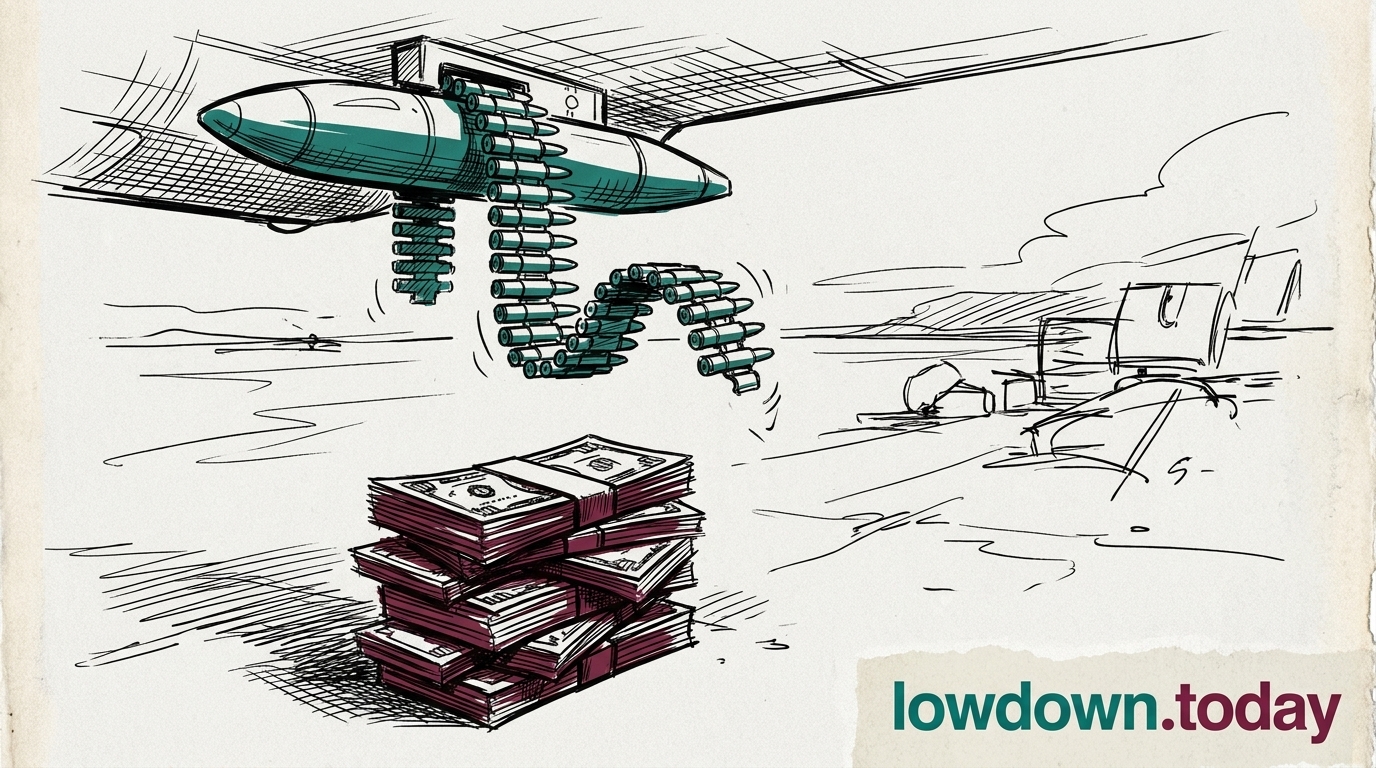
Washington can lock the frozen cash, but Iran's oil income answers to no escrow.

Treasury Secretary Scott Bessent said on Wednesday 24 June that the disputed $12 billion in frozen Iranian funds would be held in a US-controlled escrow account in Qatar 1. Bessent runs the US Treasury, the department that administers American sanctions. The money could be spent only on American food and medical exports such as corn, wheat and soybeans. Iran rejected the United States dictating how it spends its own money, and its officials said any food purchases would turn on price and quality, not Washington's direction .

Iran has framed the same package as a two-tranche release with no strings attached, while the US has insisted the figure was agreed with conditions all along . The same oil licence that earns Iran billions each month carries none of the escrow's conditions, so Washington can lock the contested cash while the crude keeps sailing to China.


Deep Analysis

In plain English

Iran has money frozen in accounts overseas that it cannot access because of US sanctions. Most of it sits in Qatar. The US Treasury Secretary said on 24 June that this money, around $12 billion, could be released into a special account in Qatar, but Iran could only use it to buy American food and medical supplies like corn, wheat, and soybeans. Iran said no. Iranian officials argued they should be able to spend their own money however they choose, and that buying specifically from the United States at prices and terms Washington sets is not freedom. Meanwhile, Iran is already earning billions selling oil freely under a separate US permission that has no such conditions attached.

Deep Analysis
Root Causes

Two distinct pools of money are in play simultaneously, and Washington has imposed tight conditions on only one of them. GL X, the 60-day oil export licence, carries no escrow and no cap; Iranian crude revenue flows freely to China. The frozen $12 billion in Qatar is subject to strict US end-use conditions. This asymmetry is the core structural tension: Iran earns freely under GL X while its frozen cash sits under Washington's control.

Iran's legal position rests on the distinction between asset ownership and asset access. Iranian officials and their legal advisers in international forums consistently argue that the frozen funds belong to Iran under applicable law, and that imposing conditions on their use is a unilateral violation of the Algiers Accords and later UN General Assembly resolutions on economic coercion. Several non-Western jurisdictions have endorsed this position in international legal proceedings.

The domestic political constraint in Tehran reinforces the rejection. Hardline Majlis members who are already threatening sit-ins over the MOU would use any acceptance of US-directed spending conditions as evidence of capitulation. Pezeshkian's government cannot accept a structure that allows US officials to veto how Iran spends Iranian money without triggering a domestic political crisis.

What could happen next?
  • Risk

    Iran's ongoing rejection of escrow conditions, combined with GL X oil income running parallel and uncapped, removes any financial urgency for Tehran to accept Washington's frozen-assets framework before GL X lapses.

    Short term · Assessed
  • Consequence

    The escrow dispute hardens the gap between US and Iranian framings of what the MOU agreed, making the 60-day talks window increasingly unlikely to produce a final deal before August deadlines converge.

    Medium term · Assessed
  • Precedent

    If the US succeeds in imposing agricultural end-use conditions on frozen Iranian assets, it establishes that Washington can direct how any sanctioned state spends its sovereign funds, a precedent several non-Western governments are watching closely.

    Long term · Suggested
First Reported In

Update #139 · A commander dies, the deal binds no one

CNBC· 26 Jun 2026
Read original
Different Perspectives
Hormuz shipping and insurance market
Kpler, Lloyd's List and S&P Global each independently put Strait of Hormuz transits at a seventh to a sixth of pre-war levels, against CENTCOM's own position that the strait remains open for transit. War-risk premiums rose from 0.25% to 3-10% of hull value in mid-July and have held steady since.
Pakistan (with China)
Iran's interior minister met Pakistan's army chief in Islamabad on 25 July, his second visit in ten days, with China separately pushing the same track; Islamabad's stated precondition, a halt to Gulf attacks, broke within hours when the Houthis struck Yanbu and Jazan. The channel inherits Baghdad's opening without yet fixing what broke it.
Saudi Arabia
Saudi Arabia
Saudi Arabia absorbed Houthi strikes on Aramco-linked sites at Jazan and Yanbu on 25 July without confirming them, while holding a 30-year civil nuclear agreement Trump made conditional on joining the Abraham Accords two days after signing it. Riyadh is fighting on one front while being asked to concede on another.
Iran (state security leadership)
Iran's security chief said strikes continue until the enemy's "total surrender", and no IRNA, Tasnim or Fars report carries any stand-down language to match Washington's pause. Tehran reads the halt as "strategic decision-making fatigue", not a restraint it needs to reciprocate.
Washington (Pentagon and White House)
A Defense Department source called the bombing halt "on a hold", Pentagon spokesman Sean Parnell insisted the US "retains a deep arsenal of capabilities", and the White House credited "successful sanctions" and thirteen days of strikes for the same pause. Three explanations from one government suggest none of them is the whole one.
Oil traders
Oil traders
Sent Brent down 2.29 per cent to $98.38 a barrel on reports that mediation was reviving, moving the price on CENTCOM's quiet night rather than on Trump's same-day promise of a bigger operation with no deadline attached.



