Skip to content
Welcome, thoughtbot's Giant Robots listeners!Start here
Iran Conflict 2026
21JUL

Iran files its own ten-day truce

1 min read
10:16UTC

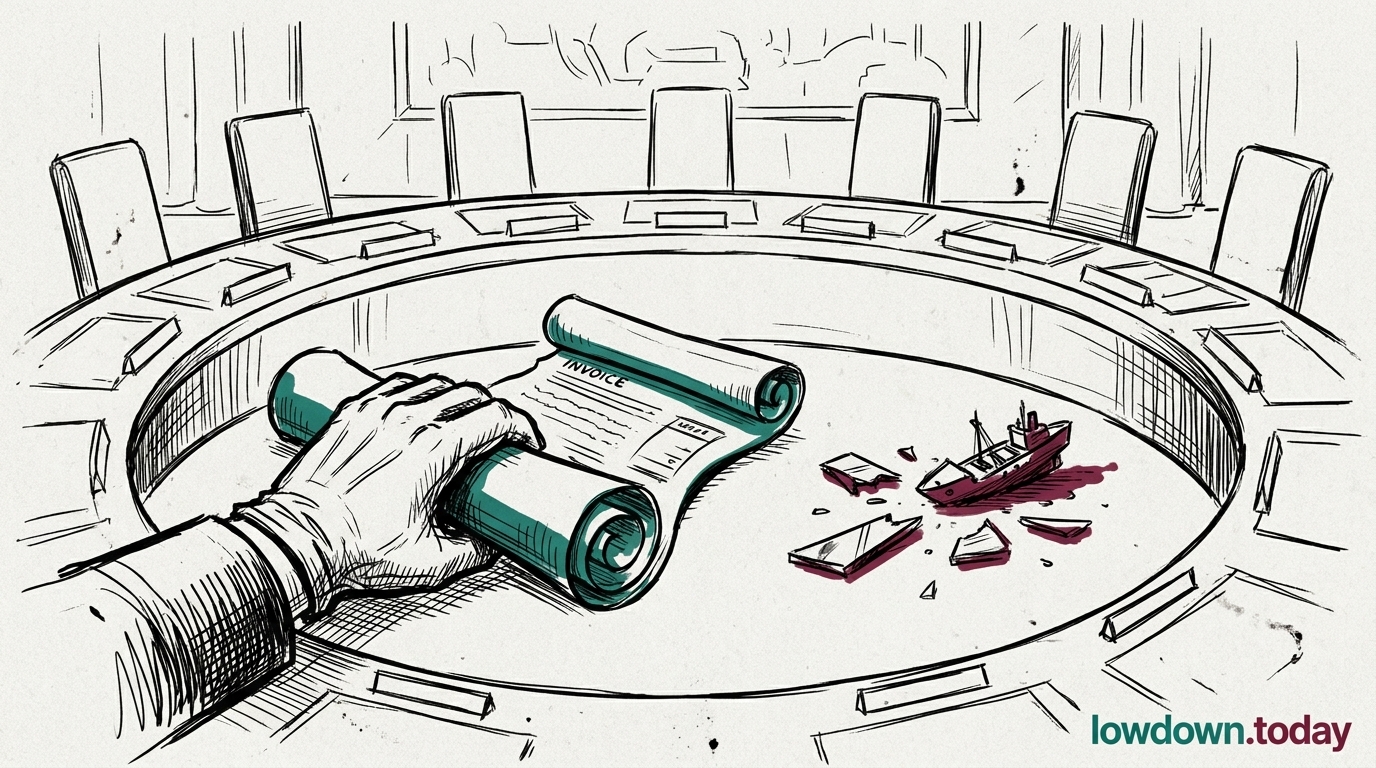
Iran separately submitted its own ten-day ceasefire proposal to Washington while still under strikes, tabling a rival text rather than accepting the mediators' one.

ConflictDeveloping
Key takeaway

Iran tabled its own ten-day truce rather than accept the mediators', a fight over who authors the pause.

Iran separately submitted its own ten-day ceasefire offer to Washington while still under strikes⁠1. The move arrived alongside the mediators' joint text rather than as an acceptance of it, leaving the administration two competing truces of the same length to weigh at once.

Tehran drafting its own pause, rather than signing one handed to it, is a bid to own the sequencing of any halt. It fits a pattern from earlier in the war, when Iran declared the Islamabad memorandum suspended rather than let an externally brokered framework set its terms. A proposal written in Tehran lets Iran define what a pause covers, the strikes, the blockade, or the nuclear question, before Washington's conditions narrow it. Neither Washington nor Tehran has accepted the other's text, and either set of demands could gut the other's.

Deep Analysis

In plain English

Iran has also put forward its own ten-day ceasefire proposal, separately from the one Qatar, Egypt, Pakistan and Oman submitted. Iran is doing this while still being struck by US and Israeli forces. Having two separate proposals on the table, one from Iran and one from the mediators, means the two sides have not yet agreed on a single text both can sign, even if the broad terms overlap.

Deep Analysis
Root Causes

Iran submitting its own text, rather than simply endorsing the four-mediator proposal, follows a consistent pattern since May: Tehran has repeatedly preferred to control the specific wording of any drawdown demand rather than accept language drafted by intermediaries, even where the substance is similar.

Doing so while still under strikes also serves a domestic purpose, letting Iran's leadership present itself as negotiating from continued resistance rather than capitulation.

What could happen next?
  • Meaning

    Iran drafting its own text rather than endorsing the mediators' proposal suggests Tehran wants to be seen negotiating on its own terms, not accepting language written by Doha, Cairo, Islamabad or Muscat.

First Reported In

Update #160 · Houthis hit Saudi tankers; Brent tops $100

The Jerusalem Post· 23 Jul 2026
Read original →
Causes and effects
This Event
Iran files its own ten-day truce
Tehran authoring its own pause is a bid to control what any ceasefire covers before Washington's conditions narrow it.
Different Perspectives
International Energy Agency
G7 members agreed on 2 October to release up to 100 million barrels through the IEA over four months, front-loading diesel.
China
China
China signed the 15 October text reaffirming the Resolution 2216 arms embargo on the Houthis. The Wall Street Journal reported that Conflict Armament Research found Chinese parts in a Houthi copy of Iran's Kheibarshekan missile.
Russia
Russia
Russia joined the 15 October consensus condemning the Houthis, a month after vetoing a mandate for a UN panel of experts on Iran sanctions on 17 September. One Western official told Bloomberg that Moscow is providing Iran with missiles, and the White House rejected the assessment.
India
India
National Security Adviser Ajit Doval raised seafarer safety with Mohsen Rezaei on 12 October, after a drone hit the Petro Dolphin with 11 Indians aboard at Sohar. External Affairs Minister S. Jaishankar urged that attacks on commercial shipping and seafarers be avoided.
Lebanon
Lebanon
President Joseph Aoun met UN peacekeeping chief Jean-Pierre Lacroix in Beirut on 14 October as UNIFIL winds down before its mandate ends on 31 December. Two days later Qatar's prime minister pledged in Beirut to fund a solar plant for Lebanon.
Kataib Hezbollah
Kataib Hezbollah
The militia announced a halt to operations except against "hostile aircraft" and denied any disarmament deal with Prime Minister Ali al-Zaidi. A day later Quds Force chief Esmail Qaani urged eliminating "remaining traces of the US presence in other arenas".

Written with AI from Lowdown's published reporting. Not individually reviewed by an editor. Editorial standards.