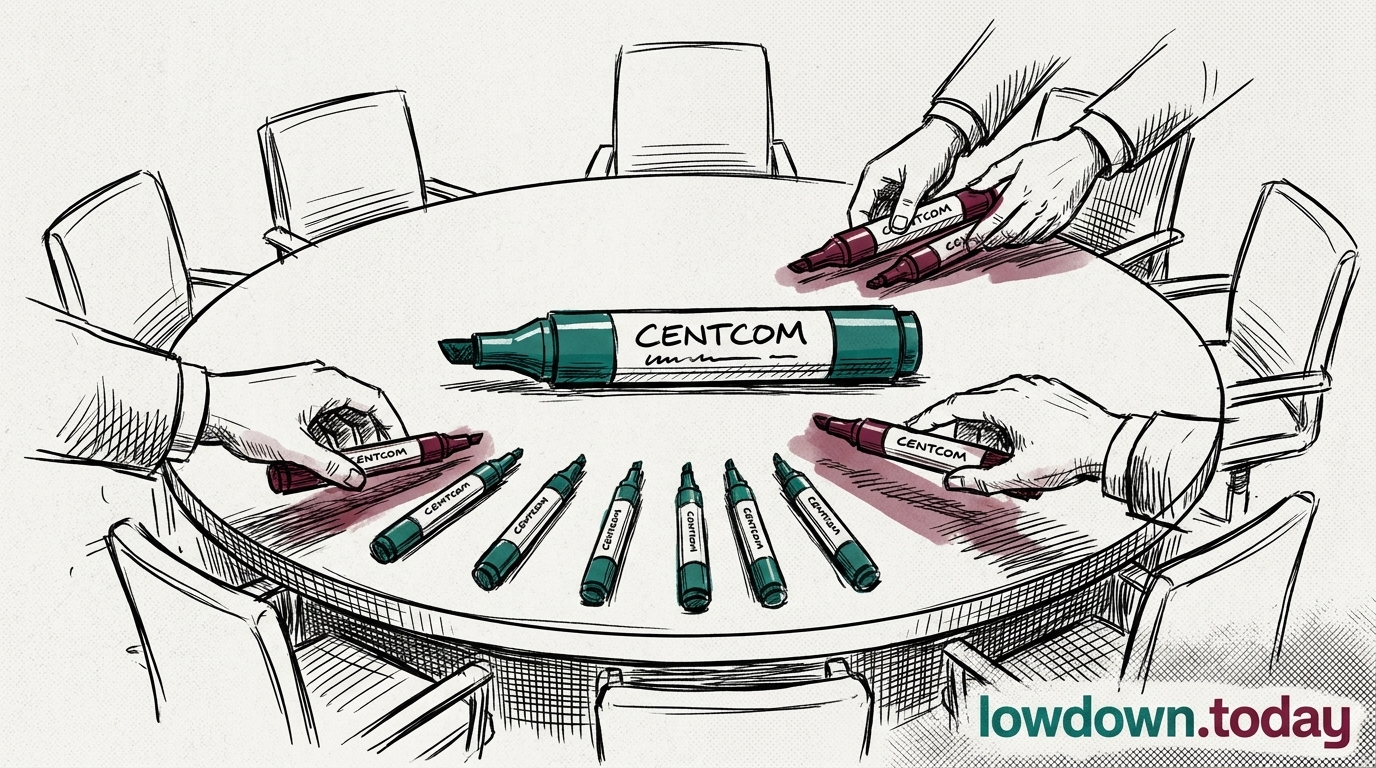
JD Vance, the US Vice President, cancelled his flight to Switzerland on the night of 18 June after the Lebanon bombing, and no new date has been announced1. The trip was meant to open the technical talks under the Islamabad Memorandum of Understanding (MoU), the framework Vance had signed for Washington days earlier. Iran's Tasnim agency said no Iranian negotiators would travel until there were visible signs the interim agreement was being implemented2.
Esmail Baghaei, Iran's foreign ministry spokesman, reframed the flare-up to fit that condition. Two days earlier he had threatened to void the deal outright if the IDF stayed in south Lebanon; on Friday he placed "direct responsibility" on Washington and tied resumed talks to ceasefire compliance rather than annulment3. The move converts Lebanon from a reason to walk away into a precondition on the calendar, and it keeps the MOU alive as a source of pressure rather than killing it.
The reframing fits a wider Iranian pattern of endorsing the deal while extracting leverage from every gap in it. Supreme Leader Mojtaba Khamenei had backed the MOU only on 18 June while branding full IAEA access excessive. Washington reads the renewed ceasefire as the deal working; Tehran reads the cancelled flight as proof it is not. Both can hold at once, which is precisely why a venue Iran has set conditions for, and a Switzerland date no one has named, leave the talks stalled before they begin.


