Skip to content
You can now search across every topic, entity and event.What's new
Iran Conflict 2026
23JUN

Oman offers a coalition to police Hormuz

2 min read
11:42UTC

Oman has proposed a voluntary-funded regional coalition to run security in the Strait of Hormuz, with Qatar, Pakistan and Egypt working parallel proposals, Al Jazeera reported on 28 July.

ConflictDeveloping
Key takeaway

Oman's coalition has no named funder and no named enforcer, and the toll dispute is untouched.

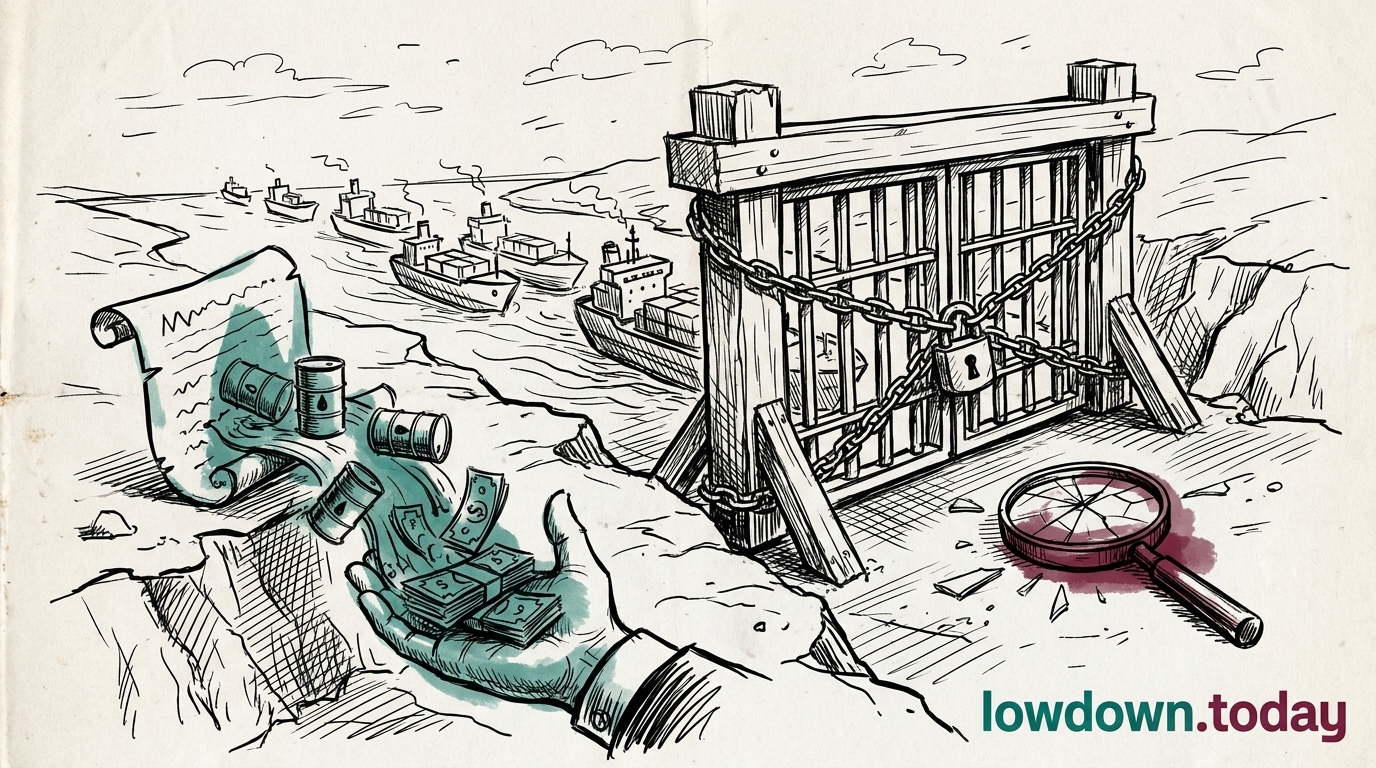
Oman has proposed a voluntary-funded regional coalition to police security in the Strait of Hormuz, the 33km chokepoint at the mouth of the Persian Gulf that carries roughly a fifth of the world's seaborne oil, Al Jazeera reported on Tuesday 28 July1. Qatar, Pakistan and Egypt are running parallel proposals of their own2.

Iran wants control and toll rights over shipping near its coast; Washington insists the strait is an international waterway nobody may charge for3. Muscat has been here before. Its 30 June proposal offered shipping companies "service fees" explicitly modelled on the voluntary contributions vessels make in the Malacca and Singapore Straits, and its two co-authors immediately disagreed over whether the charges were optional or compulsory .

The Malacca model works because a private foundation administers contributions from shipowners who face no penalty for declining. Grafting it onto a strait where one coastal state calls the fee mandatory imports the ambiguity rather than settling it, and a coalition funded by voluntary contributions has no enforcement beyond its members' willingness to sail. The states being asked to sail first are the ones whose power stations, desalination plants and tankers have been under attack since 14 July.

Qatar reopened its own waters to all maritime traffic on 27 July , which restores traffic without settling who patrols the lane. Every proposal on the table addresses the movement of ships. The dispute is over who may charge them, and that question has now outlived one memorandum and two mediators' drafts.


Deep Analysis

In plain English

Oman suggested a group of countries could pay to keep the Strait of Hormuz, the narrow waterway between Iran and the Arabian Peninsula that much of the world's oil passes through, safe for shipping. Qatar, Pakistan and Egypt have their own similar ideas. The catch is that Iran wants to control the strait and charge ships to pass through it, while the United States insists ships should be able to sail through free, with nobody's permission needed. That gap is why none of these proposals has gone anywhere yet.

What could happen next?
  • Opportunity

    A multilaterally funded coalition, if agreed, would let Gulf states manage strait security without formally taking Washington's or Tehran's side.

First Reported In

Update #163 · Pentagon puts four dead back, renames war

Al Jazeera Arabic· 28 Jul 2026
Read original
Different Perspectives
Turkiye
Turkiye
Erdogan followed the Pakistani delegation to Jeddah for an instrument that has not been signed. Ankara's entry widens Saudi Arabia's defence architecture beyond the existing Pakistan pact, adding a second non-Gulf military partner mid-conflict.
Oman
Oman
Muscat is the corridor's broker but has published nothing about the arrangement Fars describes on its behalf. The account leaves Oman administering outbound traffic only, a narrower role than the shared route its mediation has rested on since 1979.
Pakistan
Pakistan
Islamabad sent Sharif, Munir and Dar to Jeddah to widen a defence commitment it has honoured in cheaper registers since March, when Dar invoked the Saudi mutual defence pact. Jeddah tests whether that hedge becomes a binding trilateral instrument with Turkiye.
United States
United States
Washington rejected the Majlis Hormuz bill outright while CENTCOM's own tally kept climbing to 49 vessels redirected since 14 July. Both instruments tightened in the same week Trump promised the strait would reopen soon.
Iran
Iran
Iran's foreign ministry is selling a phased Hormuz corridor through Oman and denying any percentage cargo tariff, while its own Majlis is legislating fines to 20% and a bar on Israeli-linked cargo. The two accounts, from the same government, do not agree with each other.
Saudi Arabia
Saudi Arabia
Riyadh published a target forecast, not an attribution, for the campaign it says the Najran strike previewed. That keeps an Article 51 case available while it formalises a trilateral defence architecture with Pakistan and Turkiye.



