Skip to content
Welcome, thoughtbot's Giant Robots listeners!Start here
Iran Conflict 2026
23JUN

EU 20th package hits crypto and Kyrgyzstan

4 min read
11:42UTC

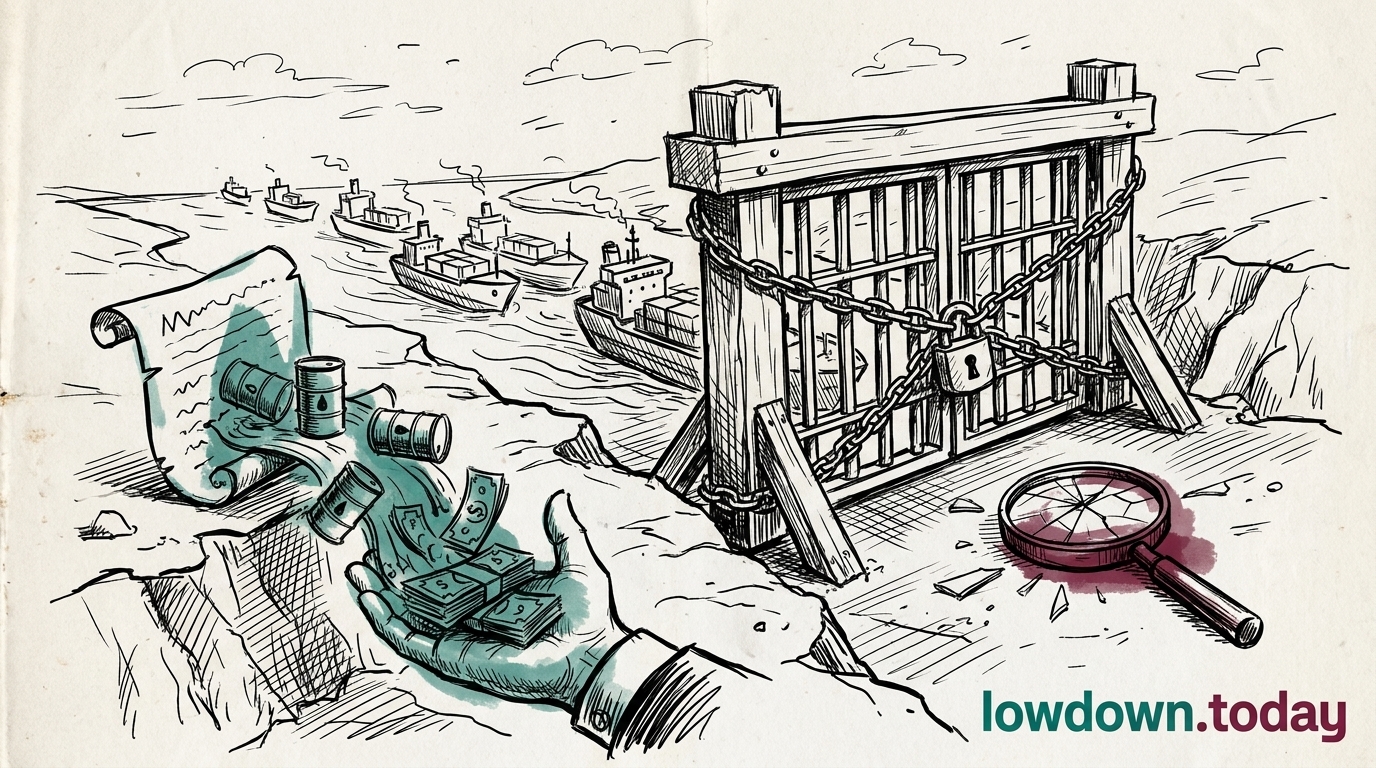
The European Council adopted its 20th sanctions package on 23 April, naming 120 individuals and entities, seven Russian refineries and 46 shadow-fleet vessels, and triggering the anti-circumvention tool against Kyrgyzstan for the first time.

ConflictAssessed
Key takeaway

Brussels activated the anti-circumvention tool for the first time and added 46 shadow-fleet tankers.

The European Council adopted its 20th sanctions package on Thursday 23 April, designating 120 new individuals and entities, seven Russian refineries, 46 additional shadow-fleet vessels bringing the sanctioned fleet total to 632, a blanket ban on transactions with Russian and Belarusian crypto-asset providers, and the first-ever activation of the anti-circumvention tool against Kyrgyzstan⁠1. The seven refineries named are Tuapse, Komsomolsk, Angarsk, Achinsk, Ryazan, Afipsky and Lukoil's Usinsk plant. Two producers, Bashneft and Slavneft, sit alongside them. Transaction bans extend to twenty Russian banks.

The novel parts sit further out from the energy core. The crypto ban covers the RUBx rouble-pegged stablecoin and the digital rouble, closing a channel Russian counterparties had used to settle sanctioned transactions off the SWIFT rails. Sixteen entities in China, the UAE, Uzbekistan, Kazakhstan and Belarus are listed for shipping dual-use components into Russia's military-industrial base. The Kyrgyzstan activation targets the systematic transhipment of EU machine tools and telecoms gear into Russian drone and missile production lines, a route documented across successive packages but never before sanctioned with the anti-circumvention instrument the EU added for this purpose.

The package builds directly on Treasury's 16 April SDN redesignation of Rosneft and Lukoil, which had already closed the dollar-clearing channel for Russia's two largest oil producers. Brussels is layering European sanctions on top of an American cliff that now runs to 29 October for Lukoil's non-Russian retail network. What the 20th package adds is enforcement at the periphery: shadow-fleet insurers, third-country transhippers, crypto providers. The commercial enforcement architecture Kyiv reinforced this week with the Druzhba move now runs through two jurisdictions at once.

Deep Analysis

In plain English

Every few months, the European Union adds more names and companies to its Russia sanctions list: a list of people and organisations that EU firms are banned from doing business with. The 20th such update, adopted on 23 April, was one of the biggest: 120 new entries including seven Russian oil refineries and 46 more ships that have been secretly carrying Russian oil to avoid earlier bans. It also banned all dealings with Russian crypto firms and, for the first time, used a special tool to punish Kyrgyzstan, a Central Asian country that had been quietly shipping European-made machine parts to Russia to build drones.

Deep Analysis
Root Causes

Three structural conditions drive the escalating sanctions architecture. First, the EU has sanctioned 632 shadow fleet vessels but Lloyd's intelligence estimates Russia's full shadow fleet at 700 to 800 vessels, with new vessels entering service faster than existing ones are designated, outpacing the designation rate by an estimated 50-100 ships per year.

Second, dual-use component flows through Kyrgyzstan reflect a specific manufacturing geography: CNC machine tools and telecommunications equipment transiting through Bishkek into Russia's Alabuga special economic zone, which produces Geran-2 drones. Sanctioning Kyrgyzstan for machine-tool transhipment targets the Geran-2 supply chain more directly than sanctioning Geran-2 producers, who simply move to different subcontractors.

Third, the crypto ban addresses Russian state financing at a higher level than individual transaction evasion: RUBx was designed as a state-to-state settlement mechanism for commodity trades that sidestep SWIFT, not a retail product. Its designation closes a wholesale channel.

First Reported In

Update #14 · Kyiv's Druzhba gambit unlocks €90bn loan

EU Council· 24 Apr 2026
Read original →
Causes and effects
Different Perspectives
Office for Budget Responsibility
The OBR's 28 October forecast assumed $82 oil for 2026 and 2027, from market prices for the ten working days to 19 August, and blamed dearer wholesale energy on the war without naming Iran. It expects CPI inflation close to 4% in early 2027 even at that price.
Hengaw, Kurdish rights group
Hengaw reported the 3 November hangings of Amirhossein Maleki and Amirhossein Ebrahimi in Isfahan, saying Ebrahimi was tortured into confessing and that nine of 12 people sentenced to death in the case have now been hanged. Iran's judiciary holds that the defendants killed members of the security forces.
FINTRAC, Canada's financial intelligence unit
FINTRAC worked with the US Treasury on the 6 November designation of eight money services businesses in British Columbia, Ontario and Quebec. Treasury says the businesses still operate, some under new names, so closing them falls to Ottawa.
Abdul Qadir al-Dakhil, Governor of Nineveh
Al-Dakhil cancelled three Mosul International Airport contracts on 7 November over alleged links to armed groups, after meeting Prime Minister Ali al-Zaidi in Baghdad. He named no group or company, and said the contracts will go to international companies.
Kuwait
Kuwait
Kuwait condemned the Houthi missile fired towards the Madinah region on 5 November and restated its support for Saudi Arabia, the Qatar News Agency reported. Its state tanker company, Kuwait Oil Tankers Company, is among the Gulf state fleets on Iran's expanded Hormuz list.
Scott Bessent, US Treasury Secretary
Treasury designated an alleged Chandigarh false-flag network on 4 November and eight Canadian exchangers on 6 November, while State sanctioned alleged MANPADS intermediaries. None of the actions touches an oil buyer; they target the paper, cash and procurement around Iran's trade.

Written with AI from Lowdown's published reporting. Not individually reviewed by an editor. Editorial standards.
