Skip to content
Welcome, thoughtbot's Giant Robots listeners!Start here
Iran Conflict 2026
21JUN

Araghchi's Hormuz approval awaits Supreme Leader

2 min read
17:51UTC

Iranian state media says eight rounds of Hormuz talks have finished and Abbas Araghchi has given the draft preliminary approval. Two higher authorities have not.

ConflictDeveloping
Key takeaway

Araghchi's approval is preliminary; the Supreme Leader and the security council have not signed the Hormuz draft.

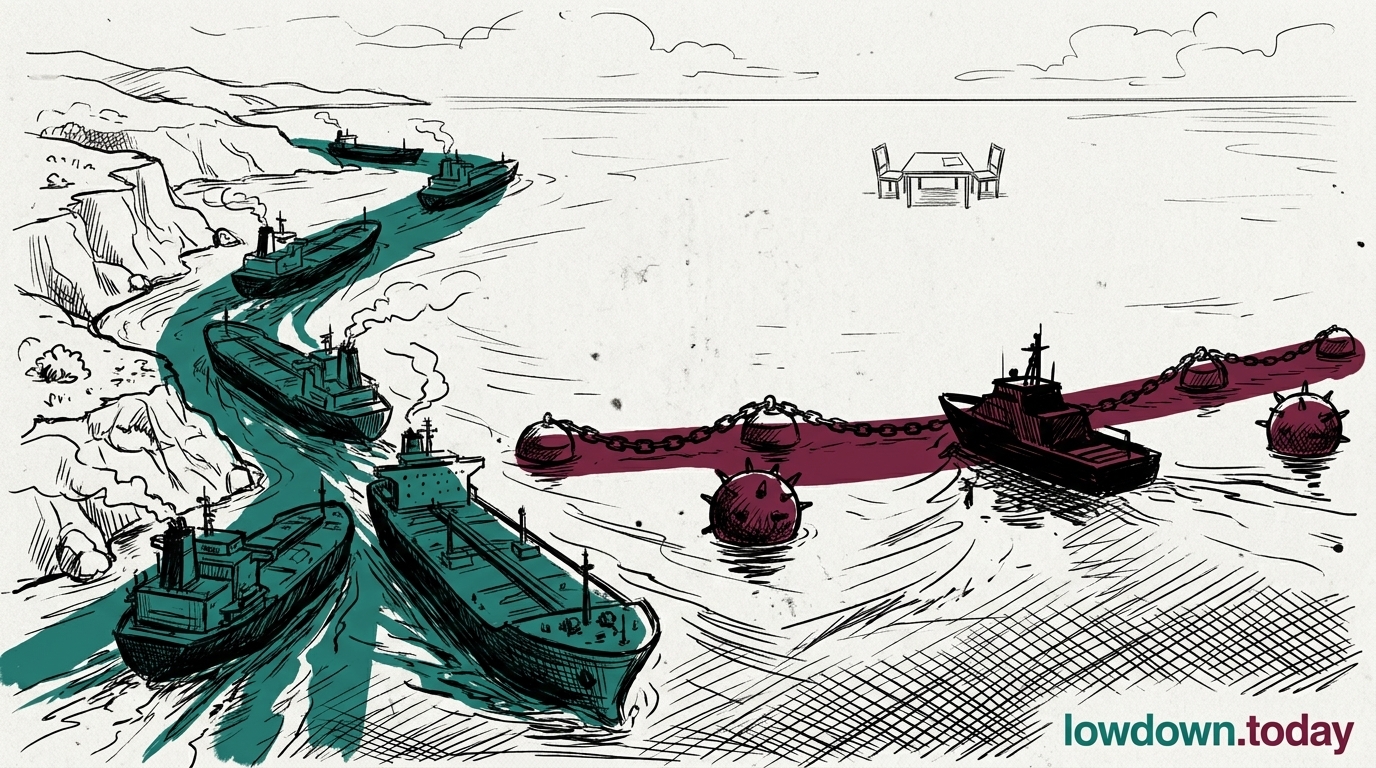
Iranian state media reported eight completed rounds of talks with Oman on 5 August, covering a maritime corridor, mine clearance, monitoring arrangements and possible service fees⁠1. Foreign Minister Abbas Araghchi has given the resulting draft a preliminary approval. It still needs the Supreme Leader and the Supreme National Security Council (SNSC), the body chaired by Iran's president that signs off every strategic security decision, before it binds anything⁠2.

That sequence is worth understanding before reading any Iranian statement about Hormuz. Araghchi runs the negotiation but does not own the decision; the SNSC turns an agreed text into national policy, and the Supreme Leader's office can withhold assent without ever explaining why. Tehran has run announcements ahead of substance on this file before, with Baghaei flatly denying any negotiations on 28 July while Trump claimed deep talks were under way.

The agenda list tells a reader more than the approval status does. Mine clearance appearing as a negotiating item concedes that mines were laid and that somebody must now lift them, which is engineering work with a timetable rather than a communique. Monitoring implies a party watching compliance, and the identity of that party has not been disclosed. Service fees survived eight rounds despite Washington having rejected any Iranian toll or permission requirement outright⁠3, which suggests the item was parked rather than resolved.

An unsigned draft can still fail at the last gate, and the incentives around that gate point in opposite directions. Iranian domestic politics need the arrangement to read as Iranian management of the strait; Washington needs it to read as unconditional transit. The ambiguity that allowed eight rounds to conclude is the same ambiguity that keeps the text unpublished.

Deep Analysis

In plain English

Iranian state media said negotiators have finished eight rounds of talks covering how ships would move through the strait of Hormuz, and that Iran's foreign minister has given preliminary approval to what was agreed. But in Iran's system, the country's Supreme Leader and top security council still have to sign off before anything is final, and that has not happened yet.

Deep Analysis
Root Causes

Araghchi's preliminary approval covers the negotiating text, not Iran's constitutional sign-off chain: under Iran's system, the Supreme National Security Council and ultimately the Supreme Leader hold final authority over any agreement touching sovereignty or security.

That is why eight completed rounds have not yet produced a binding deal despite the foreign ministry's approval.

What could happen next?
  • Consequence

    Preliminary ministerial approval without Supreme Leader sign-off keeps the corridor unenforceable and unpriced by insurers regardless of how many negotiating rounds have concluded.

First Reported In

Update #166 · Two Hormuz deals, neither one published

IRNA· 6 Aug 2026
Read original →
Different Perspectives
Office for Budget Responsibility
The OBR's 28 October forecast assumed $82 oil for 2026 and 2027, from market prices for the ten working days to 19 August, and blamed dearer wholesale energy on the war without naming Iran. It expects CPI inflation close to 4% in early 2027 even at that price.
Hengaw, Kurdish rights group
Hengaw reported the 3 November hangings of Amirhossein Maleki and Amirhossein Ebrahimi in Isfahan, saying Ebrahimi was tortured into confessing and that nine of 12 people sentenced to death in the case have now been hanged. Iran's judiciary holds that the defendants killed members of the security forces.
FINTRAC, Canada's financial intelligence unit
FINTRAC worked with the US Treasury on the 6 November designation of eight money services businesses in British Columbia, Ontario and Quebec. Treasury says the businesses still operate, some under new names, so closing them falls to Ottawa.
Abdul Qadir al-Dakhil, Governor of Nineveh
Al-Dakhil cancelled three Mosul International Airport contracts on 7 November over alleged links to armed groups, after meeting Prime Minister Ali al-Zaidi in Baghdad. He named no group or company, and said the contracts will go to international companies.
Kuwait
Kuwait
Kuwait condemned the Houthi missile fired towards the Madinah region on 5 November and restated its support for Saudi Arabia, the Qatar News Agency reported. Its state tanker company, Kuwait Oil Tankers Company, is among the Gulf state fleets on Iran's expanded Hormuz list.
Scott Bessent, US Treasury Secretary
Treasury designated an alleged Chandigarh false-flag network on 4 November and eight Canadian exchangers on 6 November, while State sanctioned alleged MANPADS intermediaries. None of the actions touches an oil buyer; they target the paper, cash and procurement around Iran's trade.

Written with AI from Lowdown's published reporting. Not individually reviewed by an editor. Editorial standards.
