Skip to content
You can now search across every topic, entity and event.What's new
Iran Conflict 2026
21JUN

Diesel crack near $46 stays bid

2 min read
17:51UTC

The European diesel crack held near $46 a barrel through June, roughly double the seasonal norm, even as US and Gulf inventories refilled, because Regulation 833/2014 bars EU buyers from Russian and Iranian diesel.

ConflictDeveloping
Key takeaway

Regulation 833/2014 keeps Europe's diesel crack near $46 even as US and Gulf stocks refill.

The European Diesel Crack held near $46 a barrel through June on OPIS (a US oil price-reporting agency) and EIA data, roughly double the seasonal norm and barely off two-year highs, even as the physical barrel loosened on both sides of Suez. The crack is the spread between European gasoil futures and crude, the margin a refiner earns turning one into the other, and it has not repriced the rebuilds now showing in US and Gulf tanks. 1

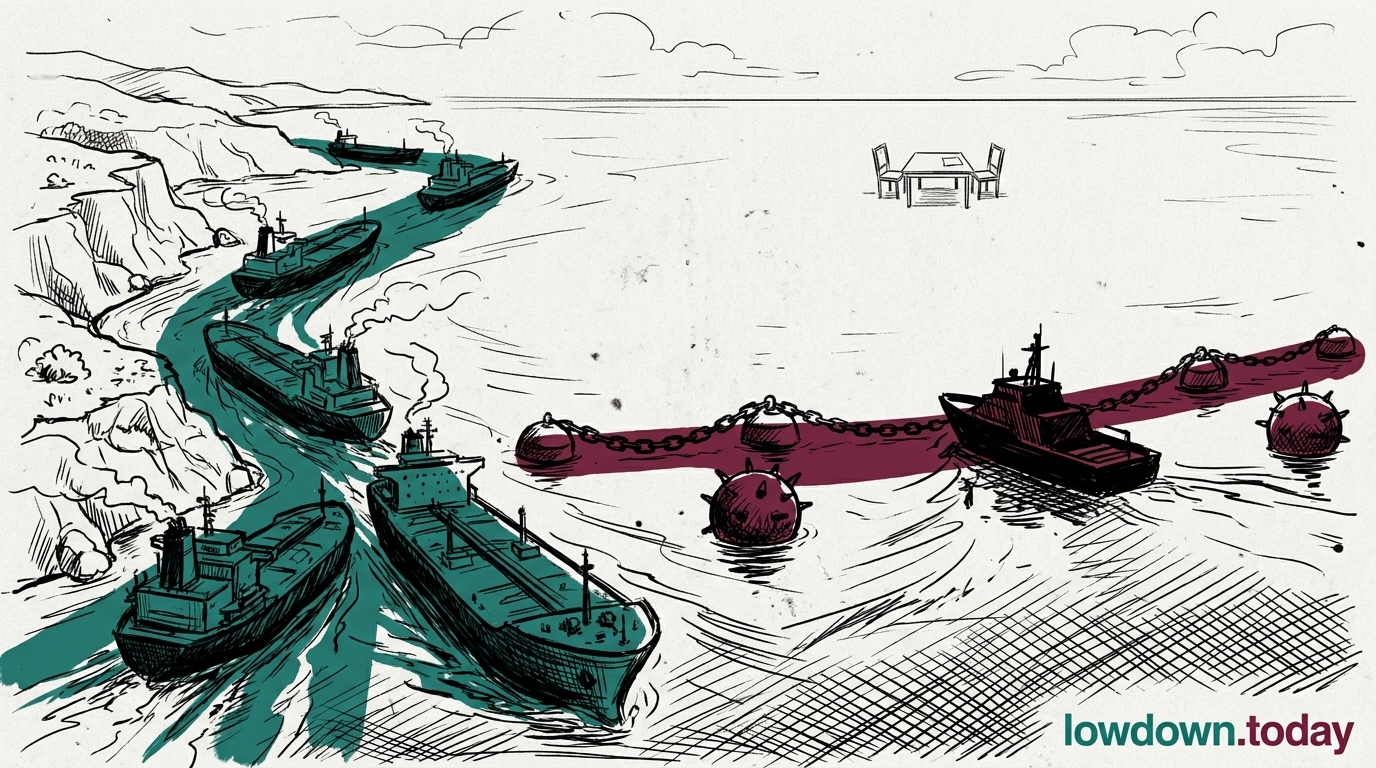
Regulation 833/2014 bars EU buyers from Russian and Iranian diesel, so the European pool cannot draw on the cheapest nearby barrels however loose the global balance. That exclusion has kept the crack bid. ARA gasoil sat near a 2.5-year low of 13.56mb with Saudi supply down to 12% of imports , and ARA jet hit a six-year low on 22 June .

If the US and Fujairah rebuilds hold and ARA stocks follow them lower, the crack is the lagging leg and compression becomes the trade. If exclusion keeps the European pool starved, the crack stays bid and the loosening never reaches the margin. Both scenarios turn on sanctions plumbing, not the global balance.


Deep Analysis

In plain English

Europe's diesel crack, the refining profit margin on turning crude oil into diesel, held near $46 a barrel through June, roughly double the normal level for this time of year. Everywhere else in the world, diesel supplies have been easing, in the US and at the Fujairah storage hub, for instance, which would normally bring this margin down. It hasn't, because European Union rules ban buying the cheapest diesel, from Russia and Iran, so Europe can't tap into that global loosening the way other regions can.

Deep Analysis
Root Causes

Regulation 833/2014 creates a legal gap rather than a physical shortage: it bars EU buyers from the cheapest available marginal diesel, Russian and Iranian barrels, regardless of how loose the global balance gets elsewhere, so the European pool prices off exclusion rather than off the worldwide balance the US and Fujairah data reflect.

The gap compounds with a shrinking substitute base: ARA gasoil stocks sit near a 2.5-year low and Saudi Arabia's share of ARA imports has fallen to 12% from the 33-37% of prior weeks, so even the legal, non-excluded replacement barrels are becoming scarcer just as the crack needs them most.

What could happen next?
  • Consequence

    As long as the crack stays elevated, European refiners with spare distillate-yield capacity capture outsized margins relative to peers in the US and Asia.

  • Risk

    If the EU's draft 21st sanctions package extends restrictions on shadow-fleet service providers, the substitute barrels now narrowing the gap could face fresh shipping friction, keeping the crack elevated for longer.

First Reported In

Update #13 · Distillate deficit eases; the crack won't

US Energy Information Administration· 3 Jul 2026
Read original
Different Perspectives
Hengaw
Hengaw
The Norway-based monitoring group reported the Urmia executions of Omid Behzad and Pouria Safvat, the only source to do so, consistent with its documented pattern of recording far more executions than the Iranian state acknowledges. Iran's government has not confirmed either execution.
Shipping and insurance underwriters
War-risk premiums price the Houthi campaign because the group announces its targets in advance, but a reopening Trump has promised without a published text gives underwriters no benchmark to reprice Hormuz cover against. Insurers want a text before they move rates, not a promise.
Houthi movement
Houthi movement
Spokesman Yahya Saree claimed strikes on two tankers in the Red Sea and Gulf of Aden on 5 August, only one of which UKMTO could confirm. The group's campaign against shipping continues on its own schedule, independent of any Hormuz arrangement further north.
Oman
Oman
Muscat has brokered the coordinates both Tehran and Washington's wire sources now describe differently, but has published no account of its own. Oman's position depends on treating Hormuz as a shared route, which is not what Iran is currently describing.
United States Central Command
CENTCOM raised its interdiction tally from 35 to 44 redirected vessels and disclosed its first boardings on 3 August, the day before Trump promised a reopening. The command's own enforcement record does not yet reflect the release the President has described.
Iran's Foreign Ministry
Spokesman Esmaeil Baghaei described the agreed Hormuz coordinates as a wholly new corridor under Iranian management, not a split of the existing route, days after his own deputy rejected Oman's lane proposal. Tehran wants the arrangement read as a change of ownership, not a compromise on access.



