Skip to content
Briefings are running a touch slower this week while we rebuild the foundations.See roadmap
Iran Conflict 2026
30MAY

US Oil Sanctions Waiver Expires 11 April Amid Confusion

2 min read
10:17UTC

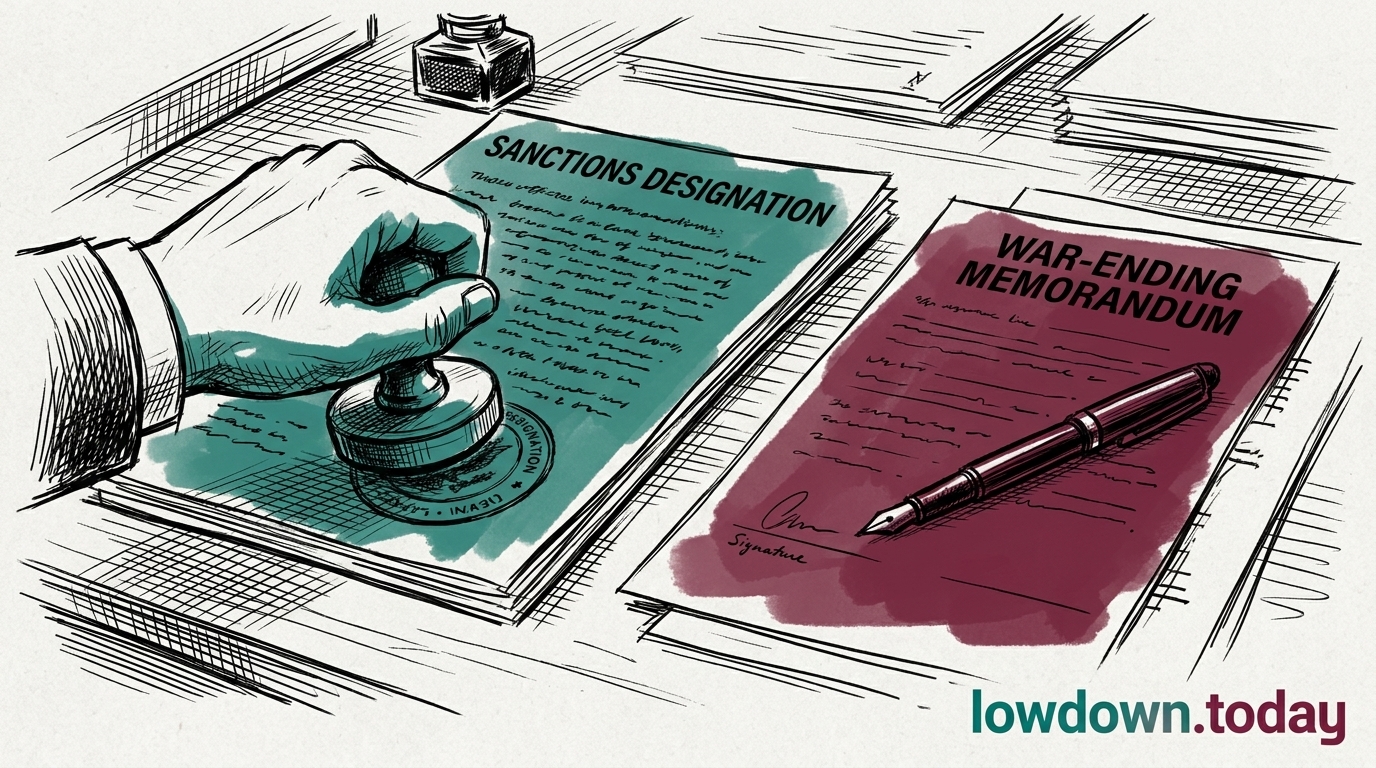
OFAC's GL 134A expires 11 April; at $121 per barrel, any extension would hand Russia far more revenue than when the waiver was issued at $73, while simultaneous vessel desanctioning created contradictory signals.

ConflictDeveloping
Key takeaway

GL 134A expiry on 11 April is the binary choice: extension at $121/barrel or lapse compounding Russia's crisis.

OFAC issued General License 134 on 12 March, covering the roughly 124 million barrels of Russian crude at sea , amended it to GL 134A on 19 March, and faces a binary decision on its 11 April expiry. At $73 per barrel when issued, the waiver was defensible as market stabilisation. At $121, the same licence authorises far greater per-barrel income than its design contemplated.

OFAC added Iran, North Korea, and Cuba exclusions to GL 134A one week after the original licence, a rapid amendment suggesting Treasury received evidence that cargoes were being redirected toward sanctioned parties. On 31 March, OFAC separately removed sanctions on three Russian cargo vessels: Fesco Magadan, Fesco Moneron, and SV Nikolay.

The contradictory pattern, tightening the licence's terms while reducing pressure on named Russian vessels, is consistent with an administration managing competing objectives across the Iran war and Ukraine simultaneously. The Atlantic Council warned that extension at current prices "risks sustaining Russia's war effort."

Deep Analysis

In plain English

The US government gave Russia a special oil sales exemption that expires on 11 April. When it was issued, oil prices were around $73 per barrel. Now that the Iran war has pushed prices to $121, extending the same exemption would hand Russia much more money than originally intended. At the same time, the US removed sanctions on three Russian ships while tightening the exemption's rules — sending confusing signals about American policy toward Russia.

What could happen next?
  • Risk

    GL 134A extension at $121/barrel would constitute the largest single US-authorised revenue transfer to Russia since sanctions began.

First Reported In

Update #11 · Russia Sells Less Oil but Earns More

Mayer Brown· 5 Apr 2026
Read original
Causes and effects
This Event
US Oil Sanctions Waiver Expires 11 April Amid Confusion
The GL 134A expiry is a binary US policy signal: extension at $121 per barrel directly subsidises Moscow's war revenue; lapse combined with Baltic terminal damage would compound Russia's export crisis.
Different Perspectives
Iran human rights monitors (Amnesty International, Iran HRM, Hengaw)
Monitors documented 30 women held on capital moharebeh charges in a basement prison ward, Benyamin Naqdi's death sentence with a forced-confession broadcast, and 39 political executions since February. Iran's security courts have processed protest cases at uninterrupted wartime tempo regardless of the diplomatic track.
Lloyd's of London (war-risk underwriters)
Lloyd's held its Hormuz war-risk designation at $10-14 million per voyage while Brent fell 19%, maintaining a structural divergence from futures pricing. Underwriters require a UN Security Council resolution or government certification letter, not diplomatic optimism, before de-listing the strait.
Oman (Sultan Haitham's government)
Muscat issued a mine alert in its own territorial waters while denying any Hormuz toll plan after US Treasury threatened sanctions. A suspected mine in Omani waters on the same weekend as US financial pressure forces Muscat to demonstrate sovereignty without appearing to choose sides.
China (PRC)
China (PRC)
Beijing sent scholars rather than its defence minister to Shangri-La for the second year running and addressed Taiwan and multilateralism without mentioning Iran. China maintains its bilateral energy corridor protection with Tehran while refusing the diplomatic exposure of a public position at multilateral forums.
Iran Supreme National Security Council
The SNSC framed the unsigned MOU as a 10-point Iranian victory with enrichment already recognised, and the foreign ministry rejected Trump's nuclear conditions within hours. Tehran treats each unsigned day as validation that Iran has retained its stockpile without surrendering it.
Trump administration (CENTCOM/White House)
Trump posted three non-negotiable public conditions while CENTCOM disabled a commercial ship and Hegseth threatened resumed strikes from Singapore. The administration treats the unsigned MOU as leverage to extract maximum Iranian concessions before any ceasefire instrument is committed to paper.