Skip to content
You can now search across every topic, entity and event.What's new
European Oil Markets
13JUL

Iran sets six terms to reopen Hormuz

2 min read
10:34UTC

Mohammad Bagher Zolghadr set out six conditions on 8 August before Iran will reopen the Strait of Hormuz, beginning with an end to American military action.

EconomicDeveloping
Key takeaway

Iran's six conditions put the Strait of Hormuz inside a war settlement, not a shipping deal.

Mohammad Bagher Zolghadr, then secretary of Iran's SNSC (Supreme National Security Council), set out six conditions on Saturday 8 August before Iran will reopen the Strait of Hormuz 1. Washington must end its military action, lift the naval blockade, withdraw its forces, pay war damages, lift sanctions and release Iran's frozen assets. The council Zolghadr spoke for is the body that turns any agreed text into Iranian national policy, and he said it "will not retreat in war or negotiations".

Tehran has costed one of those items before. In May it told mediators it wanted $12bn in frozen assets held in Qatar released before any reopening, and refused to trade the money for what it called vague and illusory promises . The six conditions restate that demand as one line on a longer list. They also land after Washington had already answered a narrower Iranian proposal, rejecting the Majlis transit bill outright on 6 August .

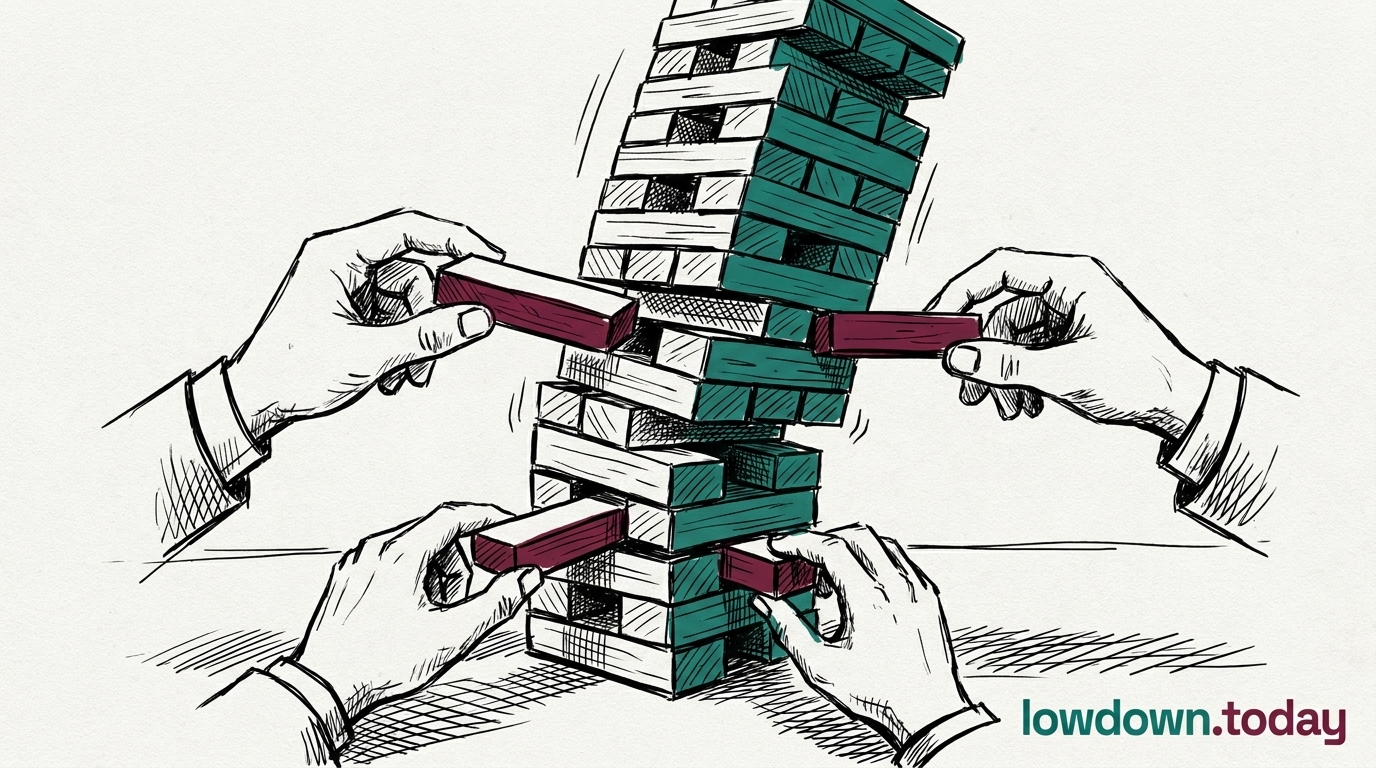
Nothing on Zolghadr's list concerns pilotage, traffic separation or who inspects a hull. Each condition asks for something no shipping authority can grant, which places the reopening inside a war settlement rather than inside a maritime arrangement. A charterer reading the six items learns that a technical mechanism, however well drafted, does not open the waterway on its own.


Deep Analysis

In plain English

Iran sits on one side of the Strait of Hormuz, the narrow sea route used by Gulf oil and gas exporters. Its security council is the state body that turns a negotiated draft into national policy. Iran's six conditions ask the United States to change the war, sanctions and money issues before the route opens. They go beyond a shipping plan.

Deep Analysis
Root Causes

Iran signed but did not ratify the UN Convention on the Law of the Sea, while the Strait of Hormuz remains the sea exit for Gulf exporters. That gap lets Tehran make domestic sovereignty claims even though other states invoke transit passage.

$12bn in frozen assets formed a Hormuz precondition in May . Linking those assets, sanctions and compensation to reopening gives Tehran bargaining chips that do not depend on winning a naval engagement.

What could happen next?
  • Meaning

    The council has put political and financial demands beside maritime reopening, widening the matters that mediators must address.

  • Risk

    A technical corridor may remain unused if Washington and Tehran cannot separate passage from sanctions and war claims.

First Reported In

Update #168 · Iran replaces the man who set its terms

Islamic Republic News Agency· 11 Aug 2026
Read original
Different Perspectives
Gulf oil producer
Gulf oil producer
Secured OPEC's confirmed 188,000 b/d September increment with the next meeting set for 6 September, but the Secretariat's own 2 August release says nothing about the fourth quarter. Output guidance beyond September remains undisclosed even as delegate sourcing keeps filling that gap.
Money manager positioned in WTI
Added 21,402 lots to a 108,307 net long in NYMEX WTI in the week to 28 July, against just 1,485 added to Brent's 15,740, a roughly fourteen-to-one split. Conviction sits in the American benchmark even as the European diesel story sets the record.
Indian refiner buying Urals
Bought Russian crude at a discount that narrowed to $1-2 a barrel in the week to 29 July from over $10, as Hormuz risk pushed it toward Urals. If that risk eases with the strike now called off, the discount it is currently enjoying could re-widen just as fast.
Russian diesel exporter
Novak tied any lifting of the diesel export ban, due to lapse 31 July, to an unspecified market recovery with no date, and pushed the gasoline ban to end-2026. An open-ended constraint suits an exporter benefiting from the record European crack it feeds.
War-risk underwriter
Withdrew war-risk cover for Saudi-linked hulls on 24 July and has not reinstated it, holding Bab el-Mandeb tanker transits near 7.5 a day. A cancelled strike does not by itself trigger the committee review needed to re-accept the class.
Northwest European refiner
Sources only 17% of diesel imports from Saudi Red Sea ports against the Mediterranean's 24%, so the ARA crack at $85.86 trails the Med print by $5.81. Lower Red Sea exposure is cushioning it against the rerouting cost, not eliminating it.