Skip to content
You can now search across every topic, entity and event.What's new
European Oil Markets
22JUN

Eight rounds done, but no sign-off yet

2 min read
09:55UTC

Iranian state media says eight rounds of Hormuz talks have finished and Abbas Araghchi has given the draft preliminary approval. Two higher authorities have not.

EconomicDeveloping
Key takeaway

Araghchi's approval is preliminary; the Supreme Leader and the security council have not signed the Hormuz draft.

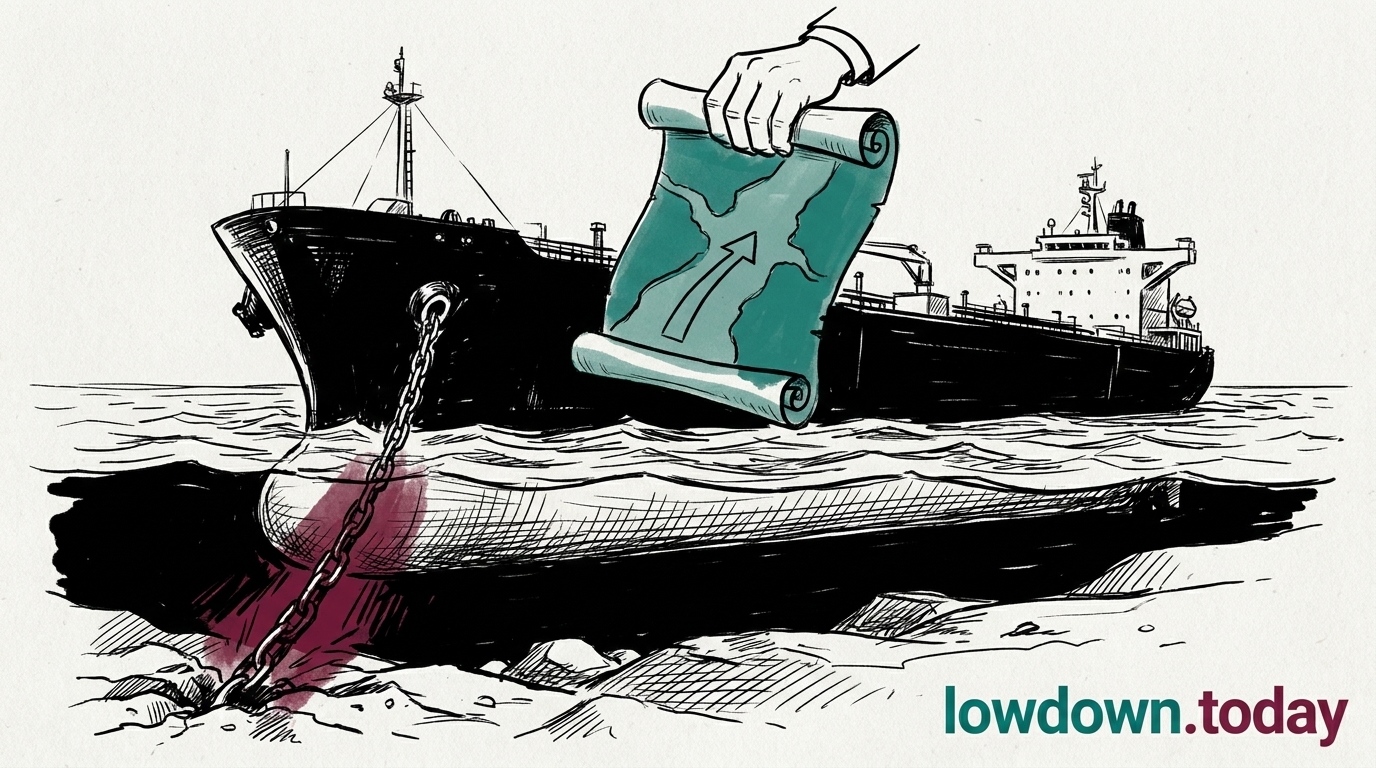
Iranian state media reported eight completed rounds of talks with Oman on 5 August, covering a maritime corridor, mine clearance, monitoring arrangements and possible service fees 1. Foreign Minister Abbas Araghchi has given the resulting draft a preliminary approval. It still needs the Supreme Leader and the Supreme National Security Council (SNSC), the body chaired by Iran's president that signs off every strategic security decision, before it binds anything 2.

That sequence is worth understanding before reading any Iranian statement about Hormuz. Araghchi runs the negotiation but does not own the decision; the SNSC turns an agreed text into national policy, and the Supreme Leader's office can withhold assent without ever explaining why. Tehran has run announcements ahead of substance on this file before, with Baghaei flatly denying any negotiations on 28 July while Trump claimed deep talks were under way .

The agenda list tells a reader more than the approval status does. Mine clearance appearing as a negotiating item concedes that mines were laid and that somebody must now lift them, which is engineering work with a timetable rather than a communique. Monitoring implies a party watching compliance, and the identity of that party has not been disclosed. Service fees survived eight rounds despite Washington having rejected any Iranian toll or permission requirement outright 3, which suggests the item was parked rather than resolved.

An unsigned draft can still fail at the last gate, and the incentives around that gate point in opposite directions. Iranian domestic politics need the arrangement to read as Iranian management of the strait; Washington needs it to read as unconditional transit. The ambiguity that allowed eight rounds to conclude is the same ambiguity that keeps the text unpublished.


Deep Analysis

In plain English

Iranian state media said negotiators have finished eight rounds of talks covering how ships would move through the Strait of Hormuz, and that Iran's foreign minister has given preliminary approval to what was agreed. But in Iran's system, the country's Supreme Leader and top security council still have to sign off before anything is final, and that has not happened yet.

Deep Analysis
Root Causes

Araghchi's preliminary approval covers the negotiating text, not Iran's constitutional sign-off chain: under Iran's system, the Supreme National Security Council and ultimately the Supreme Leader hold final authority over any agreement touching sovereignty or security.

That is why eight completed rounds have not yet produced a binding deal despite the foreign ministry's approval.

What could happen next?
  • Consequence

    Preliminary ministerial approval without Supreme Leader sign-off keeps the corridor unenforceable and unpriced by insurers regardless of how many negotiating rounds have concluded.

First Reported In

Update #166 · Two Hormuz deals, neither one published

IRNA· 6 Aug 2026
Read original
Different Perspectives
Gulf oil producer
Gulf oil producer
Secured OPEC's confirmed 188,000 b/d September increment with the next meeting set for 6 September, but the Secretariat's own 2 August release says nothing about the fourth quarter. Output guidance beyond September remains undisclosed even as delegate sourcing keeps filling that gap.
Money manager positioned in WTI
Added 21,402 lots to a 108,307 net long in NYMEX WTI in the week to 28 July, against just 1,485 added to Brent's 15,740, a roughly fourteen-to-one split. Conviction sits in the American benchmark even as the European diesel story sets the record.
Indian refiner buying Urals
Bought Russian crude at a discount that narrowed to $1-2 a barrel in the week to 29 July from over $10, as Hormuz risk pushed it toward Urals. If that risk eases with the strike now called off, the discount it is currently enjoying could re-widen just as fast.
Russian diesel exporter
Novak tied any lifting of the diesel export ban, due to lapse 31 July, to an unspecified market recovery with no date, and pushed the gasoline ban to end-2026. An open-ended constraint suits an exporter benefiting from the record European crack it feeds.
War-risk underwriter
Withdrew war-risk cover for Saudi-linked hulls on 24 July and has not reinstated it, holding Bab el-Mandeb tanker transits near 7.5 a day. A cancelled strike does not by itself trigger the committee review needed to re-accept the class.
Northwest European refiner
Sources only 17% of diesel imports from Saudi Red Sea ports against the Mediterranean's 24%, so the ARA crack at $85.86 trails the Med print by $5.81. Lower Red Sea exposure is cushioning it against the rerouting cost, not eliminating it.



