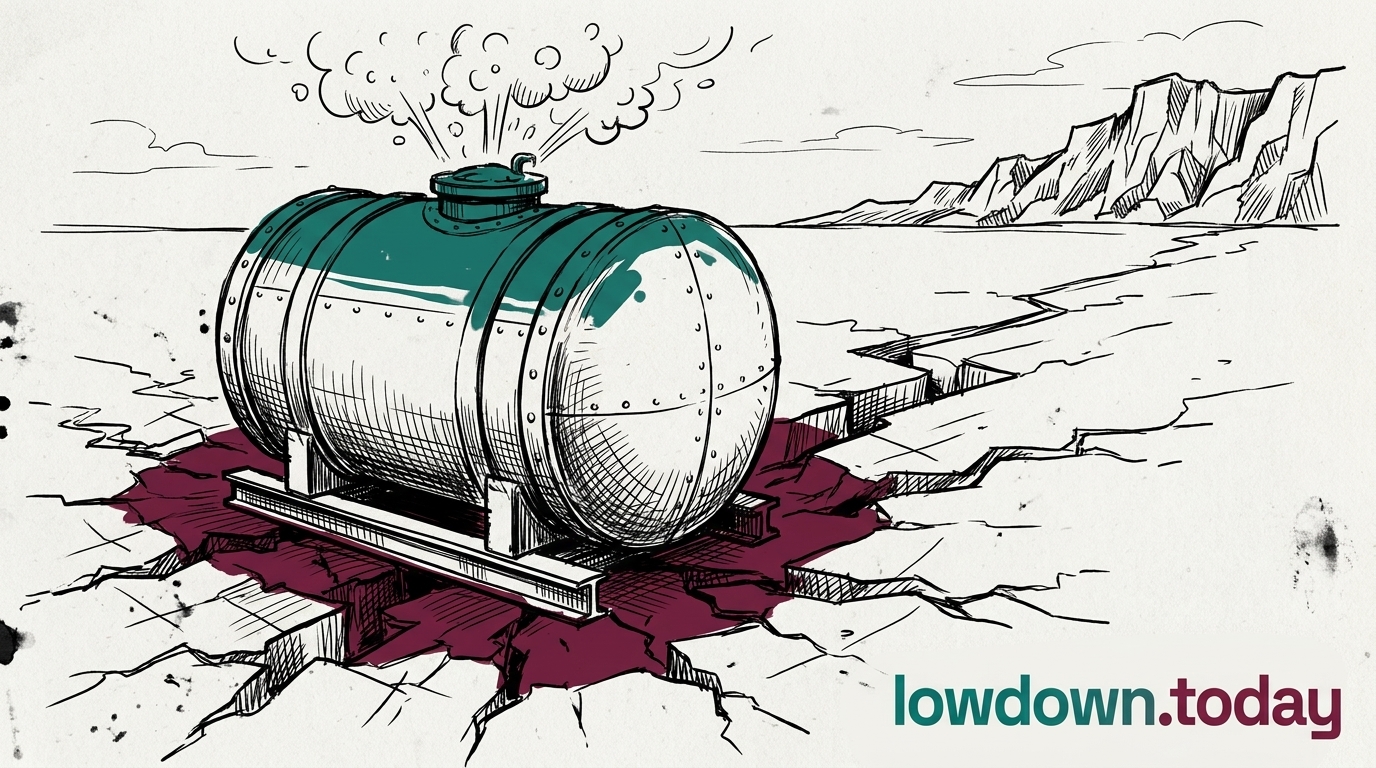
QatarEnergy told buyers it can reach 50% of capacity within one month of safe Hormuz passage and 80% within two months, but full recovery of its Ras Laffan complex runs to years because two production trains were destroyed in March1. QatarEnergy is the world's largest LNG exporter; Ras Laffan is its industrial city on the Gulf coast, the single largest LNG export complex on the planet. It shipped close to a fifth of global LNG last year, which makes the two-train loss a permanent structural cap of roughly 20% on what can return whenever the strait clears.
QatarEnergy starts that restart clock only once a Hormuz safe-passage date lands, which the US-Iran memorandum has not yet set. Even then, the 50% and 80% milestones describe a partial plant: the destroyed trains are not a maintenance outage that clears with a schedule, but capacity that has to be rebuilt. Pre-conflict European import volumes are therefore off the table at any reopening date, not merely delayed.
That gap matters because the curve is not pricing it. The same forward strip that prices a fuller refill than the physical balance supports also prices a fuller Qatari recovery than the destroyed plant can deliver, the wedge OIES quantified this week and covered in event 4. Goldman Sachs reinforced the read on 17 June, pushing its end-of-July restart estimate later as anchored vessels queued (covered in event 6), against a benchmark that had already begun selling into the diplomacy. The restart math says the supply side recovers slower and shallower than the prompt collapse implies.




