Skip to content
You can now search across every topic, entity and event.What's new
European Energy Markets
15JUN

Putin admits the petrol queues himself

2 min read
12:23UTC

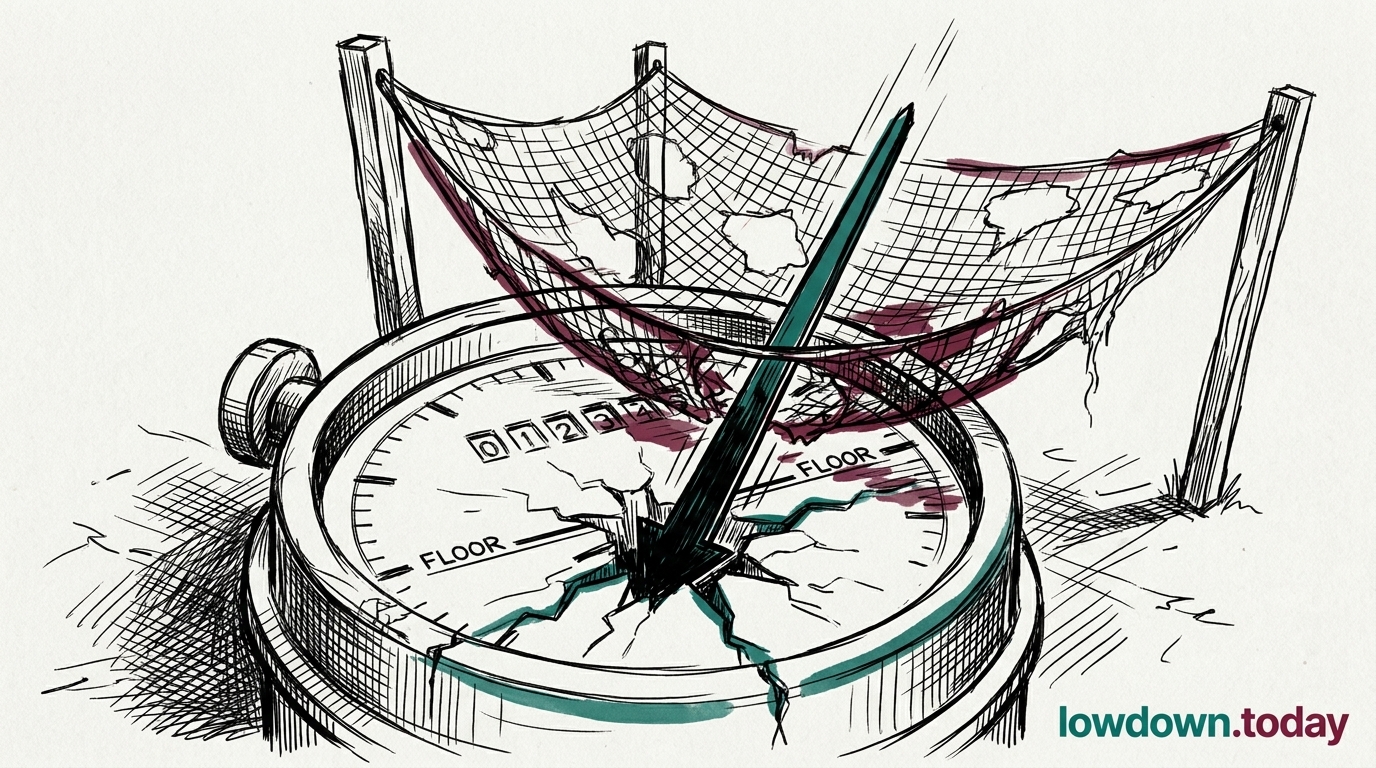
At a 28 June Kremlin meeting, Putin acknowledged queues at petrol stations, the first time he rather than Deputy PM Alexander Novak has owned the shortage.

EconomicAssessed
Key takeaway

Putin said on camera what Novak's messaging was built to avoid.

Vladimir Putin acknowledged "queues at gas stations" and that "the right grade of gasoline isn't always available" at a Kremlin meeting on domestic fuel supply on 28 June 1. It was the first time he, rather than Deputy Prime Minister Alexander Novak, had publicly owned the shortage. Five days earlier Novak had assured him fuel was "challenging but under control" as fifteen Russian regions rationed petrol .

Russia has extended its gasoline export ban to 31 July and is weighing a diesel export ban it keeps declining to impose, the Energy Ministry pointing to a failed 2023 attempt 2. Putin taking the file off Novak signals the reassurances had stopped landing, and his next appearance on fuel will show whether he hands it back.

Russia supplies roughly 11% of the world's diesel exports, so a sustained refining shutdown reaches a global fuel market well beyond its own petrol queues. A diesel export ban, still under consideration after the 28 June admission, would lift pump and freight prices outside the war zone. The shortage behind Putin's admission is a product of Ukraine's long-range drone campaign against Russian refineries.


Deep Analysis

In plain English

Russia has been rationing petrol for weeks after Ukrainian drone strikes knocked out major refineries. Until now, officials like deputy prime minister Alexander Novak had downplayed the shortage as manageable. On 28 June, President Vladimir Putin himself admitted that petrol stations have queues and that the right fuel grade isn't always on the shelf, a rare personal acknowledgment from a leader who usually leaves bad news to subordinates. Russia has also extended its ban on exporting petrol, to keep more of it at home, until the end of July.

Deep Analysis
Root Causes

Russian refining is concentrated in a handful of large plants; Kapotnya alone supplies around 40% of Moscow region fuel, so a single strike removes capacity no other refinery can absorb quickly.

Redistributing fuel from unaffected regions depends on rail tank-car availability that has not scaled with the sudden shift in demand, meaning the shortage persists even where refining itself is untouched.

What could happen next?
  • Meaning

    Putin's personal ownership of the shortage marks a shift from delegated messaging to direct accountability, unusual for a leader who typically distances himself from unwelcome domestic news.

  • Consequence

    Extending the export ban to 31 July keeps more fuel inside Russia but does nothing to fix the rail-logistics bottleneck moving it to deficit regions.

First Reported In

Update #22 · Belarus relays go dark on Kyiv's deadline

Rigzone· 2 Jul 2026
Read original
Different Perspectives
Spain's LNG terminal operators
Spain's 9,145 GWh terminal inventory is the largest single stock in the EU LNG network, an option value that can reroute cargoes wherever the winter strip pays best rather than a cavern gas obligation tied to a fixed date. That flexibility matters more as Germany's cavern shortfall pushes more of the winter security question onto import infrastructure.
European Commission
European Commission
Brussels holds the bloc to 90% on a flexible window while Germany, holding roughly a quarter of EU storage capacity, tracks toward missing its own lower 80% figure by 21 points. A national shortfall this size in the anchor market matters more to bloc security than the flexible timetable alone can absorb.
French power exporters and CRE
French day-ahead rose in step with Germany but by less, reopening a EUR 7-17 premium that makes northward export flows commercially attractive again after the EUR 43.09 discount evaporated in days. CRE separately authorised RTE and Enedis to buy flexibility locally, betting the coming winter's binding constraint is grid congestion rather than a shortage of firm capacity.
TTF trading desk
TTF trading desk
A visible national shortfall like Germany's 21-point gap is a directional signal, not noise, for a desk holding the summer-winter spread. TTF's flat EUR 58-60 range through this week's German price swings says the market has not yet chosen to reprice refill risk into the front of the curve.
German cavern and CCGT operators
German caverns kept buying prompt gas at TTF near EUR 58-60 through the inversion; the wind collapse to 2.4 GW then flipped the spark spread to plus EUR 29 and put turbines back in the same queue. Every day turbines win that bid, injection at a third of the 877 GWh/day pace needed falls further behind.
Slovakia
Slovakia
Slovakia says it dropped its hold-out on the 21st sanctions package only after Ursula von der Leyen personally signed written gas-price and supply guarantees. The Council of the European Union's own 17,238-character release on the package names neither Slovakia nor any guarantee, leaving Bratislava's account unconfirmed by the institutional record.



