Skip to content
You can now search across every topic, entity and event.What's new
European Energy Markets
15JUN

Priolo refinery stranded as clock runs

4 min read
12:23UTC

General Licence 131F authorises only negotiation of the Lukoil European-refinery sale and runs to 27 June; with no OFAC transaction licence issued, the 320kbd Priolo Gargallo plant cannot change hands.

EconomicDeveloping
Key takeaway

Without an OFAC transaction licence by 27 June, a 320kbd Med refinery stays frozen inside the perimeter.

General Licence 131F, the OFAC instrument governing the sale of Lukoil's European refinery assets, authorises negotiation only and runs to 27 June. As of 18 June, OFAC has issued no separate transaction licence to let the Ludoil and GOI Energy purchase of the 320kbd Priolo Gargallo refinery, the ISAB plant in Sicily and Europe's largest single site, actually close . Lukoil is the SDN-redesignated Russian owner; the buyers are a Dubai trader and its co-acquirer.

GL 131F lets the parties talk but not transact, so without a separate specific licence before 27 June the plant stays structurally stranded inside the sanctions perimeter, the legal wording itself the binding constraint. Italy's Golden Power foreign-investment clearance, the state's veto power over strategic assets, is in-principle and conditional with antitrust still pending ; it clears Rome's gate but cannot substitute for the missing OFAC instrument. The reported 51% first-phase stake is a detail from search synthesis, not a filing.

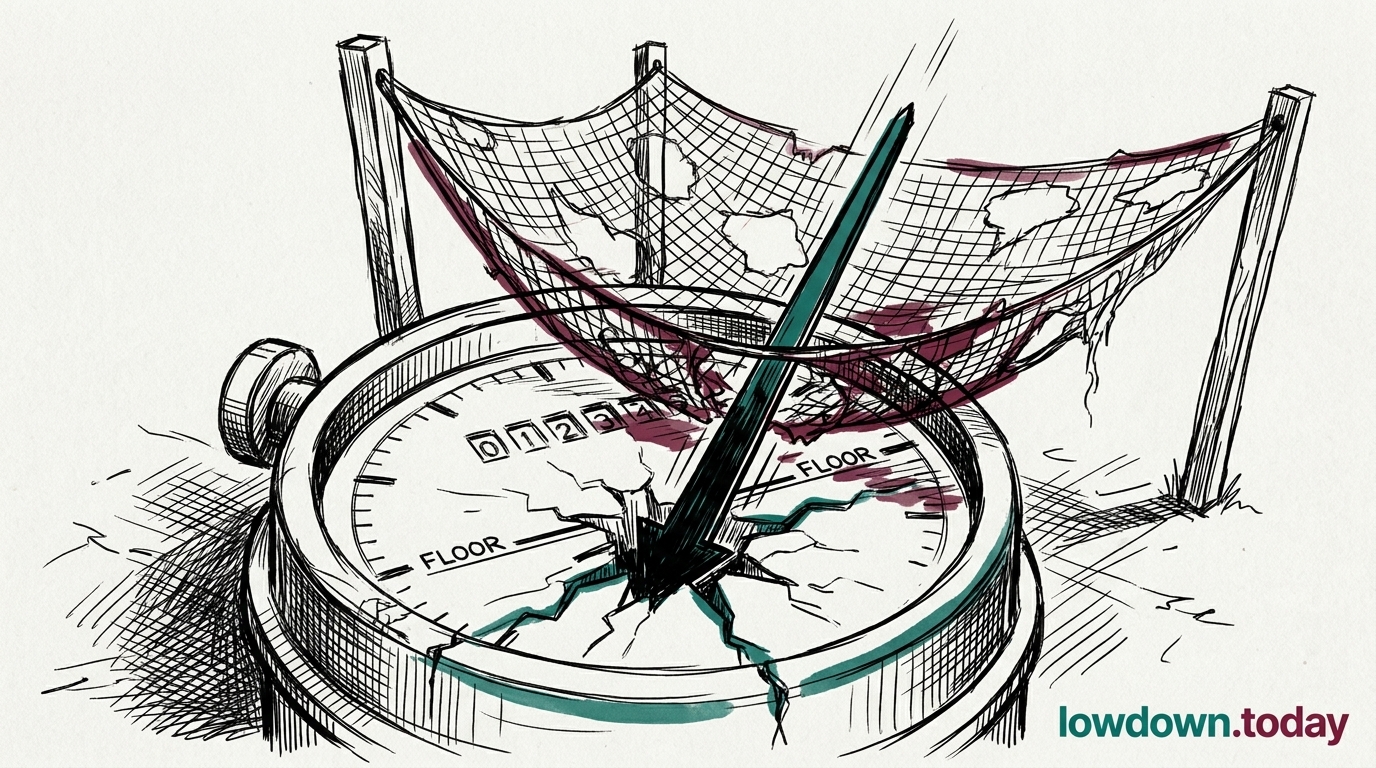
A 320kbd loss of Med refining feeds straight into the ARA gasoil tightness, which is why this is an oil-market profit-and-loss event and not a deal-desk footnote. The counter-case is that OFAC has rolled every Lukoil-asset deadline so far, so a quiet extension is more likely than a hard lapse. The rebuttal is that GL 134C's clean expiry on 17 June just proved the agency will let a clock run out when the policy wants it to.


Deep Analysis

In plain English

There is a giant oil refinery in Sicily called ISAB, or the Priolo Gargallo refinery. It is Europe's largest single-site refinery, processing 320,000 barrels of crude oil per day into petrol, diesel, and jet fuel for Mediterranean markets. It is currently owned by the Russian oil company Lukoil, which has been sanctioned by the US. A deal was agreed to sell the refinery to new buyers, but the US Treasury must issue a special permit before the sale can legally close. That permit has not been issued. The permit allowing negotiations runs out on 27 June 2026. If the US Treasury does not issue a permit to actually complete the sale before then, the refinery stays legally stranded as Russian-owned, unable to operate normally under Western business rules. Nine days remain.

Deep Analysis
Root Causes

GL 131F has run six iterations since April 2026 because the transaction has faced sequential blocking conditions: each extension resolved one gate (Golden Power clearance, antitrust review, beneficial-ownership verification) while the next gate remained open.

The structural constraint is that OFAC's FAQ 1224 conditions require complete severance of Lukoil International GmbH from Lukoil, escrowed payment in a US-jurisdiction blocked account, and no upfront value to Lukoil before the transaction licence will be issued. These conditions create a complex multi-party escrow that takes weeks to structure, explaining the rolling extensions.

Italy's conditional Golden Power approval in principle (4 June, ) cleared the Italian foreign-investment gate without substituting for the OFAC transaction licence. The deal requires both domestic Italian approval AND US sanctions clearance, and the two processes run on separate clocks that are not synchronised. Antitrust approval is also still pending, adding a third independent gate that must clear before close.

First Reported In

Update #9 · Russia cliff landed while screens sold Iran

US Treasury OFAC· 18 Jun 2026
Read original
Different Perspectives
Spain's LNG terminal operators
Spain's 9,145 GWh terminal inventory is the largest single stock in the EU LNG network, an option value that can reroute cargoes wherever the winter strip pays best rather than a cavern gas obligation tied to a fixed date. That flexibility matters more as Germany's cavern shortfall pushes more of the winter security question onto import infrastructure.
European Commission
European Commission
Brussels holds the bloc to 90% on a flexible window while Germany, holding roughly a quarter of EU storage capacity, tracks toward missing its own lower 80% figure by 21 points. A national shortfall this size in the anchor market matters more to bloc security than the flexible timetable alone can absorb.
French power exporters and CRE
French day-ahead rose in step with Germany but by less, reopening a EUR 7-17 premium that makes northward export flows commercially attractive again after the EUR 43.09 discount evaporated in days. CRE separately authorised RTE and Enedis to buy flexibility locally, betting the coming winter's binding constraint is grid congestion rather than a shortage of firm capacity.
TTF trading desk
TTF trading desk
A visible national shortfall like Germany's 21-point gap is a directional signal, not noise, for a desk holding the summer-winter spread. TTF's flat EUR 58-60 range through this week's German price swings says the market has not yet chosen to reprice refill risk into the front of the curve.
German cavern and CCGT operators
German caverns kept buying prompt gas at TTF near EUR 58-60 through the inversion; the wind collapse to 2.4 GW then flipped the spark spread to plus EUR 29 and put turbines back in the same queue. Every day turbines win that bid, injection at a third of the 877 GWh/day pace needed falls further behind.
Slovakia
Slovakia
Slovakia says it dropped its hold-out on the 21st sanctions package only after Ursula von der Leyen personally signed written gas-price and supply guarantees. The Council of the European Union's own 17,238-character release on the package names neither Slovakia nor any guarantee, leaving Bratislava's account unconfirmed by the institutional record.



