Skip to content
Briefings are running a touch slower this week while we rebuild the foundations.See roadmap
European Energy Markets
13APR

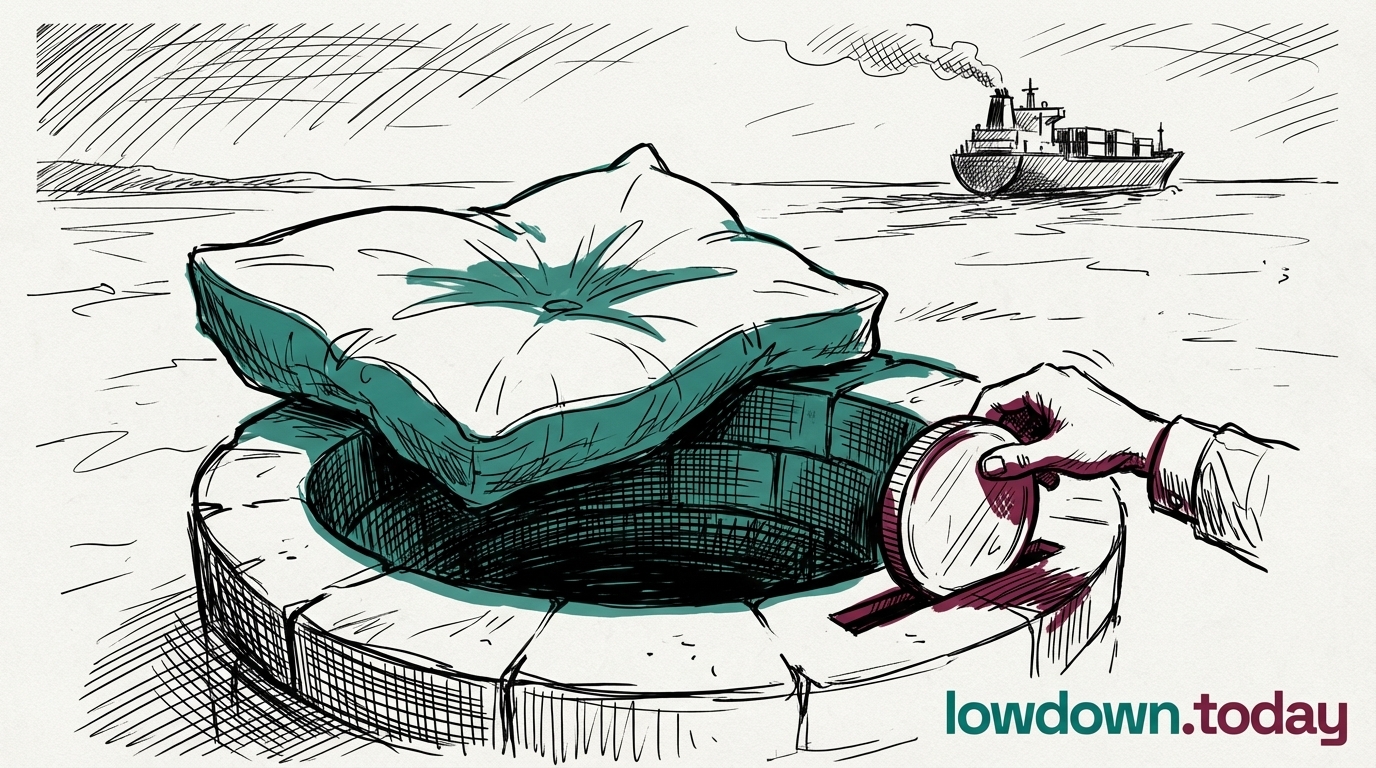
EU Russian LNG ban begins; TTF barely flinches

3 min read
22:33UTC

The European Union's short-term ban on Russian liquefied natural gas (LNG) entered force on Saturday 25 April, removing 2.8 to 3.5 million tonnes per year of spot supply. TTF front-month settled at EUR 44.86/MWh, only 5.8% above the 22 April close.

EconomicDeveloping
Key takeaway

Russian LNG ban entered force at TTF EUR 44.86, only 5.8% above the 22 April close.

The European Union's short-term ban on Russian LNG spot contracts entered force on Saturday 25 April , removing roughly 2.8 to 3.5 million tonnes per year of supply, around 3% of EU LNG imports 1. The benchmark Dutch TTF (Title Transfer Facility) front-month contract, the European gas price of record, settled the same day at EUR 44.86/MWh, only 5.8% above the 22 April close of EUR 42.39 2. Long-term contracts held by TotalEnergies, Naturgy and SEFE remain grandfathered to 1 January 2027 3.

The convergence had been on the calendar for weeks: ban day, Hammerfest LNG offline through at least 10 July, and Hormuz still physically closed, three independent supply removals inside one week. Wood Mackenzie's Tom Marzec-Manser told Bloomberg there was "no risk to supply just yet, but that could change in a couple of months" 4, and the EUR 2.46 settle change between 22 April and ban day was within normal weekly volatility. Bloomberg attributed the year-to-date 40% TTF rise to the Middle East conflict rather than the ban itself 5.

The muted print reflects pre-positioning more than slack. Russian LNG flows had already dropped to roughly one third of normal volumes since February, the Hormuz closure was already in the curve, and Germany flipped to net injection three days before ban day at a season-high pace. The TTF settle below EUR 45 puts Bruegel's base refill scenario at EUR 26 billion as the operative number, EUR 9 billion under the political consensus. The bearish read: Hammerfest historical overruns put 10 July at risk, the Arc7 ice-class shipping carve-out is unresolved, and Italy-France day-ahead cleared a EUR 153/MWh spread on Sunday 26 April that the gas curve does not reflect.

Deep Analysis

In plain English

The European Union banned the purchase of short-term, or "spot", contracts for Russian liquefied natural gas (LNG) on 25 April 2026. LNG is natural gas that has been chilled to liquid form so it can be shipped by tanker, rather than piped. The ban removes roughly 3% of the EU's LNG imports. The reason gas prices barely moved is that markets knew the ban was coming for weeks and adjusted in advance. Some companies, including TotalEnergies and Naturgy, have existing long-term deals with Russian suppliers that are exempt until 1 January 2027, so the immediate effect is limited.

Deep Analysis
Root Causes

Russia's LNG export infrastructure was built to bypass pipeline-route political risk, a design choice made after the 2006 and 2009 Ukraine transit disputes. Yamal LNG and Arctic LNG projects were structured to reach both European and Asian buyers via independent maritime routes, which is why a European spot ban cannot eliminate Russian supply but only reroute it.

The grandfathering of long-term contracts to January 2027 reflects the EU's inability to expropriate private contractual rights under member-state and EU commercial law. TotalEnergies and Naturgy have valid take-or-pay obligations; forcing early termination would expose member states to arbitration claims under Energy Charter Treaty successor provisions.

What could happen next?
  • Risk

    The January 2027 long-term contract cliff creates a second, larger substitution event when TotalEnergies, Naturgy and SEFE must simultaneously replace grandfathered Russian volumes in a tighter Atlantic LNG market.

    Medium term · 0.75
  • Consequence

    Russian spot LNG rerouted to Asian buyers displaces volumes Asian buyers would otherwise have purchased on Atlantic spot markets, indirectly tightening the Atlantic pool available to European importers.

    Short term · 0.7
  • Precedent

    The grandfathering structure sets a template for future EU energy sanctions: self-imposed supply removal with a pre-announced date, allowing price pre-positioning and reducing acute market shock at the cost of a deferred cliff.

    Long term · 0.65
First Reported In

Update #5 · Ban day muted; Germany doubles injection rate

OilPriceAPI· 26 Apr 2026
Read original
Different Perspectives
Amsterdam-Rotterdam gas trading desks
TTF failing to sustain EUR 47+ with 51 mcm/day of Norwegian capacity offline confirms EUR 50 as a diplomatic ceiling; the curve is a Troll-restart long, and EBN's EUR 233 million mandate budget cap is a known limit on price-insensitive prompt buying.
ARERA
ARERA
Italy's energy regulator is running mandatory storage injection that carries the EU aggregate trajectory alongside CRE and EBN, while Italian industrial consumers at Panigaglia face a simultaneously low-utilisation terminal and a EUR 2/MWh delivered-cost basis above TTF. The mandate funds security of supply at the expense of Italian competitiveness.
Shell
Shell
As a long-term Russian LNG contract holder, Shell faces a replacement procurement problem concentrated in Q3-Q4 2026 ahead of the 1 January 2027 double cliff; with terminal booking lead times running weeks, the real deadline is late November 2026 and no replacement supply has been publicly named.
CRE
CRE
France's 100% mandatory booking order funds injection regardless of the inverted strip, providing the EU aggregate cover that Germany's abolished levy cannot; the CRE order is renewed annually, making it a political risk rather than a structural guarantee. That dependency exposes the EU injection trajectory to French electoral cycles.
Bundesnetzagentur
Bundesnetzagentur
Germany's regulator holds the early-warning gas stage active with no statutory instrument to compel commercial injection, and Berlin confirmed on 20 May it will introduce no summer incentive scheme; Germany is the EU's only major unincentivised storage market after the levy lapsed on 1 January 2026. The mandate gap is carried by three other member states.
European Commission
European Commission
The Commission relaxed the mandatory fill target from 90% to 80% and published an ETS benchmark revision saving industry EUR 4 billion, choosing industrial competitiveness over both climate and storage ambition at the moment physical margins are tightest. Both decisions reduce policy pressure at the exact week the trajectory margin narrowed to 45 GWh/day.

