Skip to content
You can now search across every topic, entity and event.What's new
Drones: Industry & Defence
20AUG

Ukraine blocks drone sales as Gulf burns

2 min read
16:38UTC

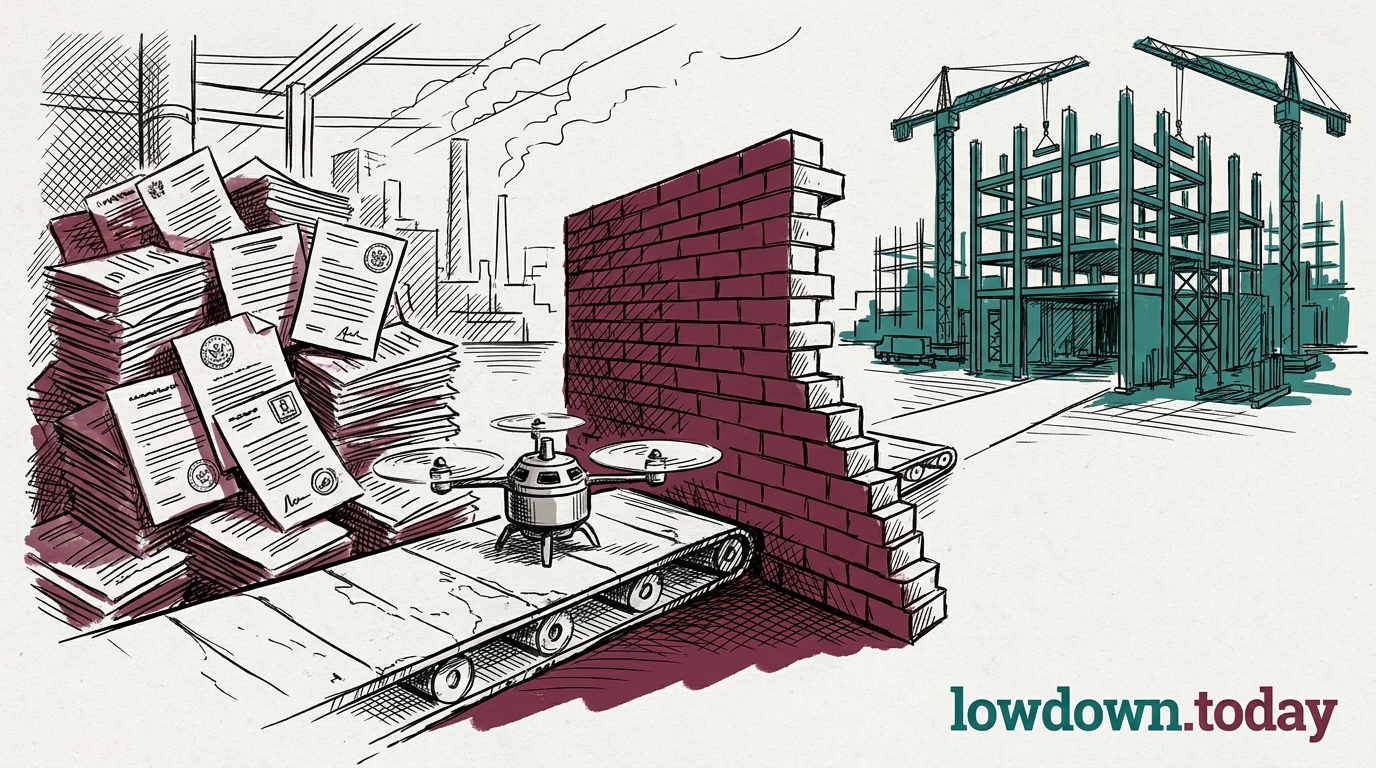
Ukraine's export regulator suspended Gulf drone sales applications, keeping combat-proven interceptors costing $2,100 to $2,500 per unit locked away from buyers spending millions per salvo.

TechnologyDeveloping
Key takeaway

The cheapest combat-proven interceptors on the market remain locked away from the Gulf states consuming millions per salvo.

Ukraine's State Service for Export Control suspended Gulf drone export applications, citing the EU Common Position 2008/944/CFSP conflict-aggravation clause. Named manufacturers including General Cherry, Wild Hornets, and Ukrspetsystems are receiving hundreds of enquiries they cannot legally fulfil. SkyFall told Reuters its manufacturing capacity runs into "tens of thousands per month", far exceeding domestic demand.

The cost asymmetry is the core of the story. Ukrainian interceptors cost $2,100 to $2,500 per unit, refined through three years of combat against Russian drones. A single PAC-3 MSE round costs millions. Gulf states are spending orders of magnitude more per intercept than necessary because the cheapest solution is locked behind export controls. Zelenskyy disclosed in March that up to 10 drone factories had been built abroad to circumvent the ban ; the shadow factories are a symptom of a strategic choice, not a regulatory accident.

Kyiv's logic is deliberate. Allowing commercial sales would disperse Ukraine's most potent bargaining asset. The SSEC suspension preserves leverage for tightly controlled bilateral 10-year agreements with Saudi Arabia and Qatar . The 228 counter-drone specialists deployed across five Gulf states are the human expression of this strategy: Ukraine is selling expertise and strategic alignment, not commodity hardware.

For Western defence companies, the deadlock temporarily shields premium-priced interceptor systems from low-cost Ukrainian competition. That protection cannot hold if the Gulf conflict intensifies further.

Deep Analysis

In plain English

Ukraine has become very good at making cheap, effective drone interceptors through three years of fighting Russian drones. Gulf countries are now being bombarded by Iranian drones and want to buy Ukraine's interceptors, which cost just $2,100-$2,500 each, compared to millions for the Western alternatives. But Ukraine has refused to allow open commercial sales. Instead it wants to control who gets the technology through long-term government-to-government deals. This keeps Ukraine in control of a combat-proven interceptor technology and means it can use that technology as a bargaining chip in diplomatic negotiations. The downside is that Ukrainian companies like SkyFall are sitting on factory capacity that could be producing tens of thousands of interceptors a month, but they cannot legally sell them.

What could happen next?
  • Consequence

    Ukraine's export control strategy converts its most cost-competitive technology into a diplomatic instrument rather than a revenue stream, concentrating strategic alignment leverage with a small number of Gulf partners rather than distributing it commercially.

  • Risk

    If bilateral agreements with Gulf states expire or lose value after the conflict ends, Ukraine will have foregone substantial hard-currency revenue in exchange for strategic relationships whose durability depends on shared threat perception that may not persist.

First Reported In

Update #5 · Gulf drone war rewrites procurement

Ukrainska Pravda· 13 Apr 2026
Read original
Different Perspectives
South Korea's Defense Acquisition Program Administration
DAPA folded drone and roadside-bomb jammers into an 18-year, KRW 3.448 trillion K2 tank upgrade approved 11 August, rather than fund counter-drone kit as its own programme. Seoul is treating the threat as permanent enough to write into a platform's lifecycle, not urgent enough to buy ahead of it.
NATO Support and Procurement Agency
NSPA named five pre-qualified counter-drone suppliers under new framework contracts on 27 July, giving allies a purchasing route with no published budget attached. A framework without committed money is an instrument waiting for a spending decision, not a guarantee one is coming.
Ukraine's Ministry of Defence
Ukraine's forces strike with more than 70 AI and computer-vision systems drawn from over 200 domestic producers, the ministry said on 18 August, a supplier base neither Washington's tariff fight nor Beijing's export licence touches. Kyiv is scaling capability faster than either government is writing rules for it.
A European drone-component manufacturer
A European manufacturer selling components into the United States faces the same 100 per cent tariff and 3 September deadline as any other foreign supplier, with the duty-free onshoring carve-out available only to firms building on American soil. That leaves it to absorb the cost, relocate assembly, or cede the US market rather than shop around a rival supply chain.
Chinese drone component exporters
Exporters now need a case-by-case licence for each US-bound dual-use shipment after MOFCOM's 5 August order, with no published review clock. The same week Shenzhen logged nearly 200,000 domestic logistics-drone sorties and Hunan reported record spraying coverage, a home market large enough to absorb what the licence regime slows from leaving the country.
US drone manufacturers
The onshoring carve-out protects Performance Drone Works' $820 million War Department loan, but the same 3 September deadline hits Red Cat Holdings and Unusual Machines, both filing over 500 per cent revenue growth on 6 August, on Chinese-sourced components with no qualified domestic substitute yet.
