Skip to content
Briefings are running a touch slower this week while we rebuild the foundations.See roadmap
Cuba Dispatch
4JUN

Visa, Mastercard cut off Cuban cards

3 min read
11:38UTC

The two largest card networks suspended Cuban-issued cards as their correspondent banks fled GAESA exposure, freezing both tourist payments and household savings at once.

PoliticsDeveloping
Key takeaway

Visa and Mastercard suspended Cuban-issued cards as correspondent banks fled GAESA sanctions exposure.

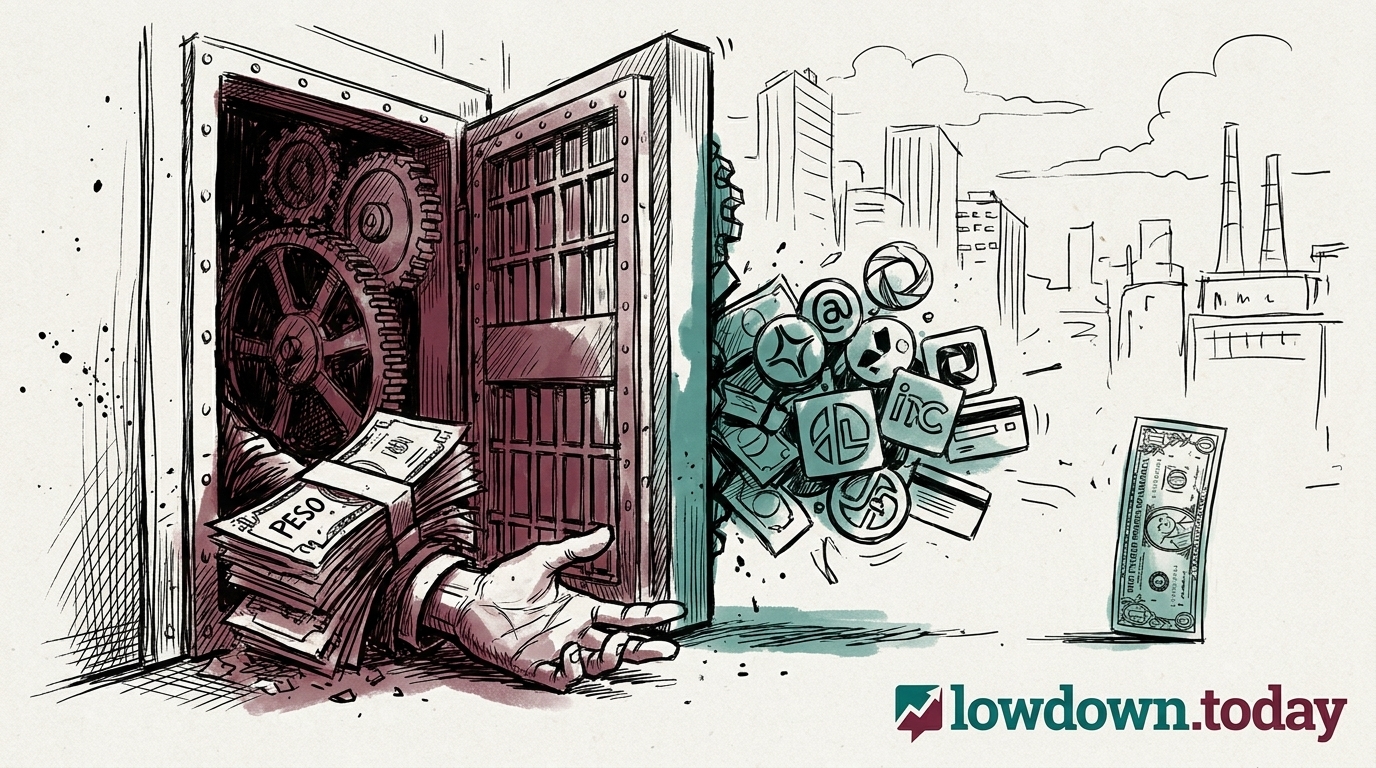
Visa and Mastercard, the two largest card-payment networks, suspended acceptance of Cuban-issued payment cards as their correspondent banks retreated from exposure to GAESA (the Cuban military's business conglomerate) ahead of the 5 June OFAC deadline 12. A correspondent bank is the intermediary that clears a transaction between a Cuban-issued card and the global network; when those intermediaries exit, the card stops working at the till.

The suspension traces back to the same Executive Order 14404 designation of 18 May . GAESA controls the financial infrastructure behind Cuban card processing, so a sanction on the conglomerate reaches the rails themselves rather than any single bank. The card networks did not need to be designated; the banks that connect them to Cuba simply declined the secondary-sanctions risk and pulled back.

The damage falls in two directions at once. A visitor can no longer pay by card even at a hotel that stays open, and a Cuban household that kept savings on a card balance cannot spend them. The peso's slide to a record 600 (covered in this dispatch) is partly this: when the electronic dollar channels close, more demand crowds into the informal cash market that El Toque tracks.


Deep Analysis

In plain English

Visa and Mastercard have stopped accepting payments from cards issued inside Cuba. The reason is indirect: the banks that process these transactions behind the scenes (called correspondent banks) decided that handling Cuba-linked payments put them at risk of US sanctions. Without those banks willing to clear the transactions, Visa and Mastercard simply cannot process Cuban cards, even if the networks wanted to. This affects ordinary Cuban households who use domestic debit cards to buy food and goods at the state's hard-currency shops. It also means foreign tourists can no longer use their own cards at many Cuban payment terminals. Cuba's entire electronic payment system has effectively been cut off.

Deep Analysis
Root Causes

Fincimex, the GAESA-controlled financial intermediary, sits at the centre of the card-access architecture. Every Cuban-issued MLC (Moneda Libremente Convertible) card routes through Fincimex for international settlement, making the GAESA designation a structural disabler of the entire domestic card system rather than a targeted measure.

The upstream cause is Cuba's deliberate 2016-21 decision to route all electronic payment infrastructure through GAESA subsidiaries as a hard-currency capture mechanism. Every peso-denominated MLC transaction generates a fee that flows to GAESA.

This architecture maximised GAESA's hard-currency take during good years but created a single point of failure: the GAESA designation disables the payment system for every Cuban household, including those whose transactions have no military connection whatsoever.

What could happen next?
  • Consequence

    MLC store transactions revert to cash-only at a moment of record peso depreciation, maximising the purchasing-power loss for peso-holding households.

  • Risk

    Cash-dollar dependency increases informal market volume, accelerating peso depreciation by raising dollar demand from households who previously used MLC cards for domestic purchases.

First Reported In

Update #6 · Cuba sanctions hit the cash economy

CiberCuba· 4 Jun 2026
Read original
Causes and effects
This Event
Visa, Mastercard cut off Cuban cards
Losing the card rails removes the last electronic channel through which foreign dollars and domestic balances could move, pushing Cuba further into a cash-only economy.
Different Perspectives
Spanish hotel operators
Meliá and Iberostar exited GAESA-linked Cuban hotels before 5 June to protect their broader Caribbean and global portfolios from secondary-sanctions exposure. Spain's commercial stake in Cuban tourism makes Madrid a structural veto risk if the EU advances Cuba-specific restrictive measures under Ollongren's mandate.
Cuban opposition / OCDH
After the US Senate killed a Cuba war-powers check 51-47 on 29 April, the Madrid-based OCDH formally demanded an EU reparations fund for political prisoners on 4 June, routing its pressure campaign to Brussels where the EU's existing restrictive-measures machinery, used previously against Venezuela and Belarus, does not require a Senate majority.
China
China
Beijing paired a birthday telegram to Castro with no operational commitment on fuel or credit, using the occasion to signal non-abandonment ahead of the G20 without incurring the cost of a replacement tanker. China has no military-logistics presence in the Caribbean comparable to Soviet-era capacity.
Russia
Russia
Moscow sent an official birthday message to the indicted Raúl Castro on 3 June, a deliberate legitimacy signal to Global South partners, while Sovcomflot has announced no replacement for the Universal's 270,000-barrel cargo that turned away on 26 May. The pattern mirrors Soviet public solidarity during the 1962 crisis while privately managing exposure.
Trump administration / OFAC
Washington let a calendar date do the work: no new designations were needed after 18 May, and the looming 5 June expiry, which strips foreign firms' legal-exit defence, drove the hotel exodus and card suspension without a second executive action. The administration has not publicly commented on the compound utility failures.
Cuban government and citizens
Havana's only countermeasure this week was a Granma editorial defending GAESA by name, conceding the designation is biting hard enough to require a public answer. Residents of Havana and Guanabacoa banged pots on the nights of 3-4 June, the first confirmed capital protests, after gas, water, and the state milk ration all failed.