Skip to content
Briefings are running a touch slower this week while we rebuild the foundations.See roadmap
Cuba Dispatch
4JUN

Three more hotel chains quit Cuba

2 min read
11:38UTC

Iberostar, Aston and Blue Diamond joined Meliá in pulling out of GAESA-linked Cuban resorts in the same pre-deadline exit wave.

PoliticsDeveloping
Key takeaway

Iberostar, Aston and Blue Diamond followed Meliá out of GAESA-linked Cuban resorts before 5 June.

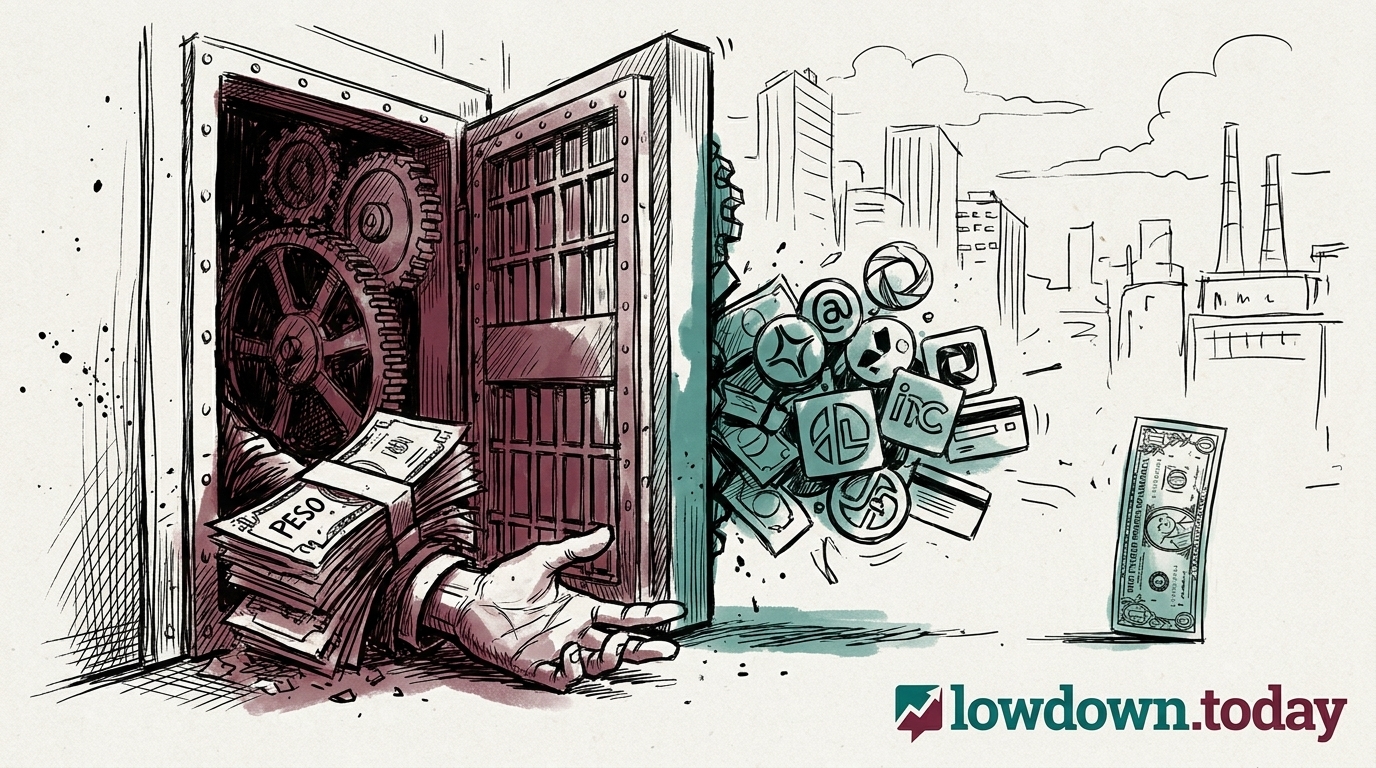
Iberostar, Aston Hotels & Resorts and Blue Diamond, which runs the Archipelago Internacional brand, announced they are withdrawing from GAESA-linked Cuban properties, joining the Meliá exit in the same wave 1. GAESA (Grupo de Administración Empresarial) is the conglomerate run by Cuba's armed forces, and its Gaviota tourism subsidiary holds the resort properties these chains operated. Iberostar is Spanish; Aston and Blue Diamond are Canadian.

All four operators are following one legal calendar set in Washington. The Executive Order 14404 designation wave of 18 May opened a wind-down window that closes on Friday 5 June 2026, and remaining past it carries secondary-sanctions exposure on any unrelated US business. What distinguishes a wave from a coincidence is that geographically and corporately separate firms, Spanish and Canadian, with different portfolios, all moved against the same date.

The departures concentrate the damage on the same chokepoint. Because GAESA controls the contracts, the ports and the import rails behind the resorts, a sanction on the conglomerate does not hit one operator at a time; it removes the legal basis for the entire foreign-managed segment of the island's hard-currency tourism economy at once.


Deep Analysis

In plain English

Three more hotel chains; Iberostar (Spanish), Aston (Canadian-managed), and Blue Diamond; announced they are leaving their Cuba hotels in the same week as Meliá. All three operate resorts across the Caribbean, and all three face the same problem: if they keep running hotels tied to GAESA, Cuba's military business group, they risk being cut off from US payment systems for their other Caribbean resorts too. US sanctions reach every part of a company's global operations that use US banks or process US tourist payments. Iberostar and Blue Diamond exit Cuba to keep their Mexican, Jamaican, and Dominican resorts out of OFAC's reach.

Deep Analysis
Root Causes

The franchise model that governs Iberostar and Blue Diamond's Cuban operations is structurally exposed to US brand risk at the parent level, independent of Cuba-specific earnings. Iberostar's parent, Grupo Iberostar, has US-market ambitions: the brand operates resorts in Mexico, Jamaica, and the Dominican Republic where American tourists book via US online travel agencies.

A formal OFAC enforcement action naming Iberostar as a GAESA-linked operator would threaten the brand's GDS listings and payment-card acceptance across all its Caribbean properties, Cuba included.

This brand-contagion dynamic is the structural condition that makes the Cuba exit rational regardless of what Cuban properties earn. The risk is asymmetric: Cuban revenue is small relative to the group; US enforcement exposure is potentially enterprise-wide.

What could happen next?
  • Consequence

    Cuba loses management coverage across multiple hotel tiers simultaneously, collapsing the international distribution and booking infrastructure for its main hard-currency tourism corridor.

  • Risk

    Brand withdrawal by all four major Spanish and Canadian operators in a single week creates a negative-signal cascade: tour operators and insurers re-assess Cuba packages as commercially unviable, reducing arrivals independent of further sanctions.

First Reported In

Update #6 · Cuba sanctions hit the cash economy

CiberCuba· 4 Jun 2026
Read original
Causes and effects
This Event
Three more hotel chains quit Cuba
The simultaneous departure of four operators turns individual contract decisions into a collective flight from the Cuban tourism sector.
Different Perspectives
Spanish hotel operators
Meliá and Iberostar exited GAESA-linked Cuban hotels before 5 June to protect their broader Caribbean and global portfolios from secondary-sanctions exposure. Spain's commercial stake in Cuban tourism makes Madrid a structural veto risk if the EU advances Cuba-specific restrictive measures under Ollongren's mandate.
Cuban opposition / OCDH
After the US Senate killed a Cuba war-powers check 51-47 on 29 April, the Madrid-based OCDH formally demanded an EU reparations fund for political prisoners on 4 June, routing its pressure campaign to Brussels where the EU's existing restrictive-measures machinery, used previously against Venezuela and Belarus, does not require a Senate majority.
China
China
Beijing paired a birthday telegram to Castro with no operational commitment on fuel or credit, using the occasion to signal non-abandonment ahead of the G20 without incurring the cost of a replacement tanker. China has no military-logistics presence in the Caribbean comparable to Soviet-era capacity.
Russia
Russia
Moscow sent an official birthday message to the indicted Raúl Castro on 3 June, a deliberate legitimacy signal to Global South partners, while Sovcomflot has announced no replacement for the Universal's 270,000-barrel cargo that turned away on 26 May. The pattern mirrors Soviet public solidarity during the 1962 crisis while privately managing exposure.
Trump administration / OFAC
Washington let a calendar date do the work: no new designations were needed after 18 May, and the looming 5 June expiry, which strips foreign firms' legal-exit defence, drove the hotel exodus and card suspension without a second executive action. The administration has not publicly commented on the compound utility failures.
Cuban government and citizens
Havana's only countermeasure this week was a Granma editorial defending GAESA by name, conceding the designation is biting hard enough to require a public answer. Residents of Havana and Guanabacoa banged pots on the nights of 3-4 June, the first confirmed capital protests, after gas, water, and the state milk ration all failed.
