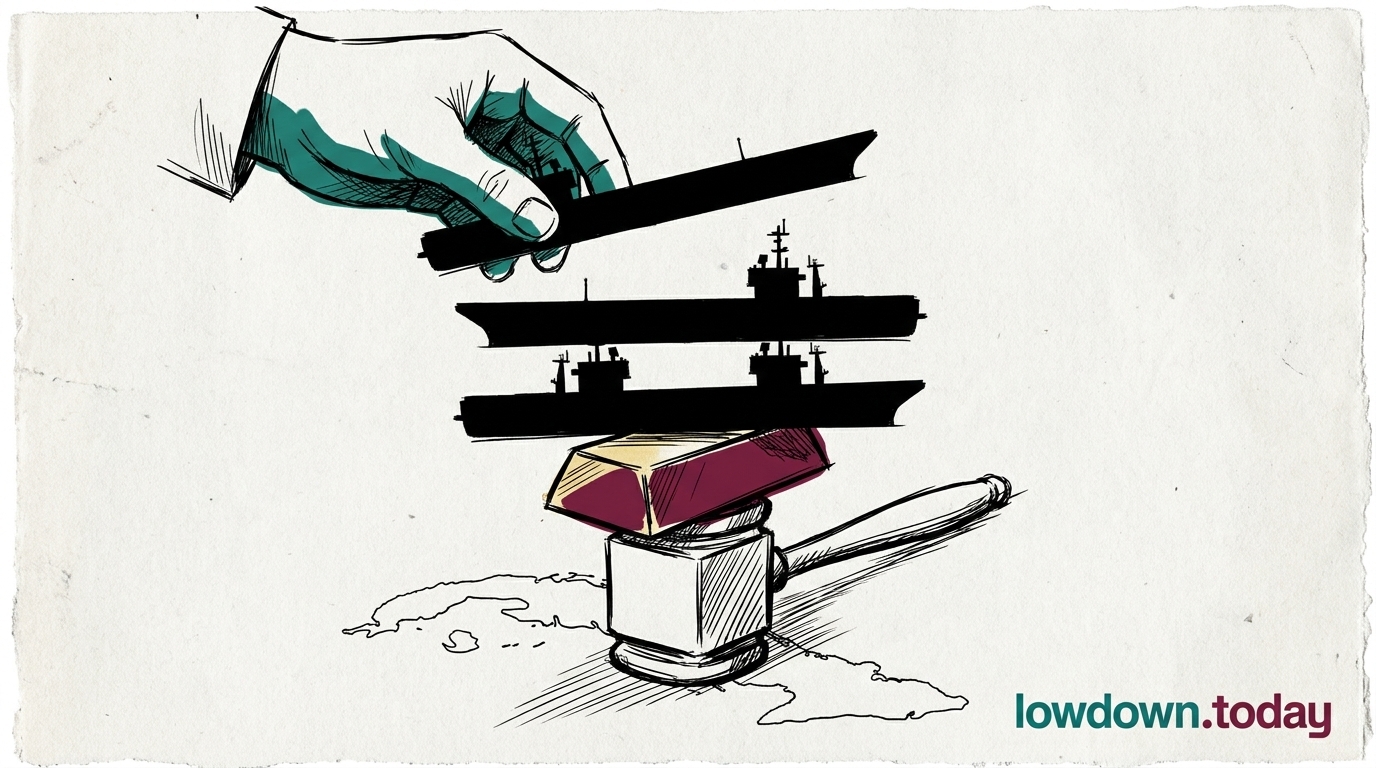
US Secretary of State Marco Rubio dismissed Cuba's reform package within a day of its passage. "What they announced yesterday is not dramatic enough," he said. "It's not going to fix it"1. Rubio is the Trump administration's senior Cuba-policy voice, a Cuban-American who has driven the 2026 sanctions escalation. The administration signalled no modification to the sanctions regime in response to the reform. Rubio had previously told Cuban-American audiences that economic reform could ease pressure; the reform arrived and the pressure did not move.
The rejection lands on Pedro Monreal's four missing inputs. Foreign currency, energy and external demand are the precise levers Washington holds, and Rubio's response confirms none will be released to supply the new market functions Havana legalised. The legislation unlocks functions on paper that the embargo keeps shut in practice.
The timing closes off an avenue the opposition had already tried and lost. After the US Senate war-powers track died on a 51-47 vote in April, pressure on Cuba shifted from Congress toward the executive sanctions machinery Rubio runs. Diaz-Canel legislated private capital to alter that machinery's calculus from the inside. Rubio's answer is that domestic liberalisation, absent democratic change, buys no relief on the sanctions that are doing the economic damage.




