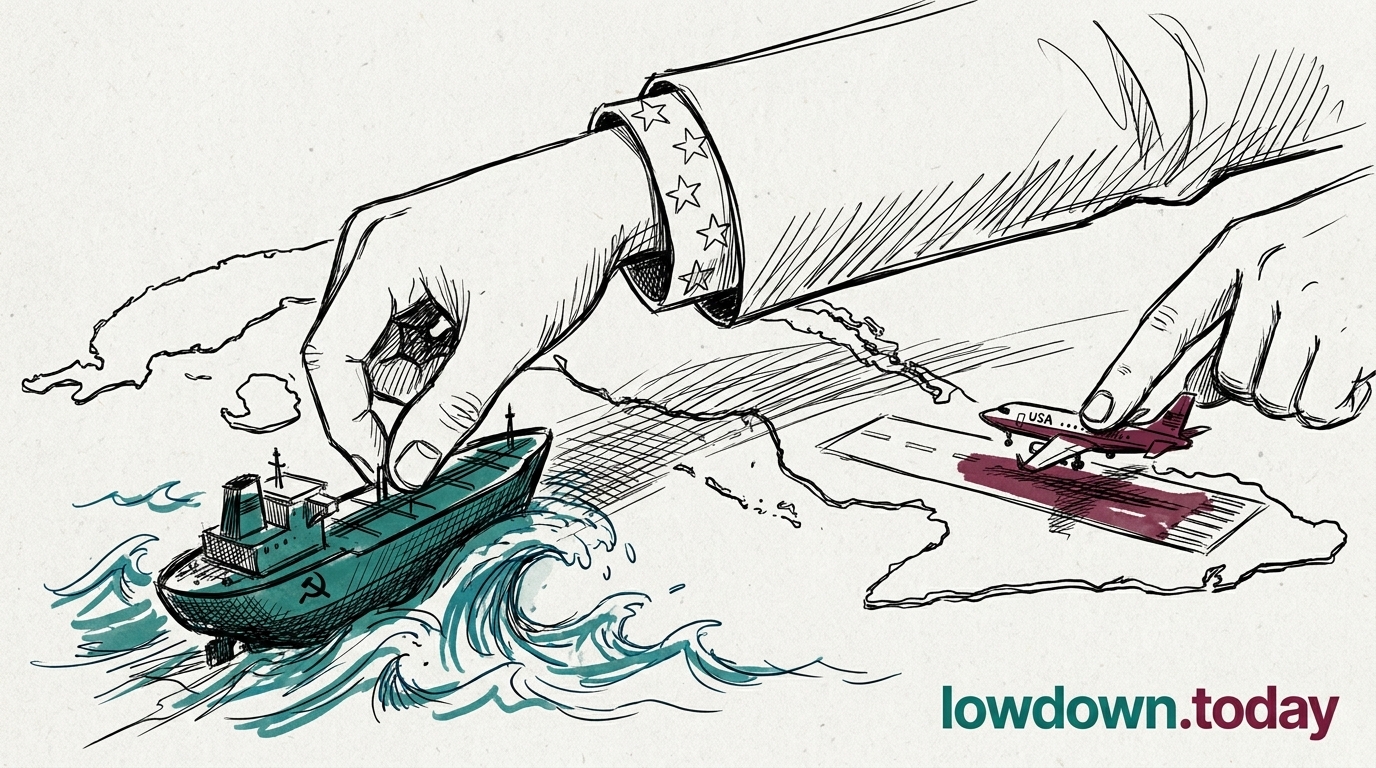
Bloomberg reported on 5 May 2026 that the Sovcomflot tanker Universal, carrying approximately 270,000 barrels of diesel and covered by OFAC General Licence GL 134B through 16 May, was drifting roughly 1,000 nautical miles from Cuba at 2.2 to 3.4 knots with no declared destination since 14 April12. The wire attributes the behaviour to combined US, EU and UK sanctions exposure plus the Caribbean naval picture.
At the reported pace the cargo cannot discharge before the licence expires. The licence runs eleven more days from the report; the vessel is roughly 4-7 days from Cuba at full economical speed, but it has been holding two and a half knots, well below normal tanker transit, since the day GL 134B was issued. The pattern suggests Sovcomflot is treating the licence cover as necessary but not sufficient: the legal authorisation exists, but the operational deterrent in the Florida Straits and Caribbean approaches is sharp enough that the vessel is not declaring port.
The regulatory consequence falls on Treasury. If GL 134B expires on 16 May with the vessel still offshore and undeclared, any subsequent transaction relating to the cargo, port-call, insurance, bunkering, becomes exposure under the underlying Sovcomflot designations. Treasury can issue a third consecutive 30-day extension, can issue narrower licence terms, or can let the licence lapse and watch the vessel divert. No GL 134C had been published through 7 May.
The vote that locked the deterrent in place was the 51-47 Senate ruling 24 hours earlier on the underlying resolution. The executive's Caribbean posture is now legally undisturbed, and every shipping desk that handles Russian-Cuban cargo factors continued naval presence into route economics. The Universal's behaviour is one visible reading of that calculation: the licence covers the cargo but does not cover the captain's risk of an interdiction incident the licence has not anticipated.




