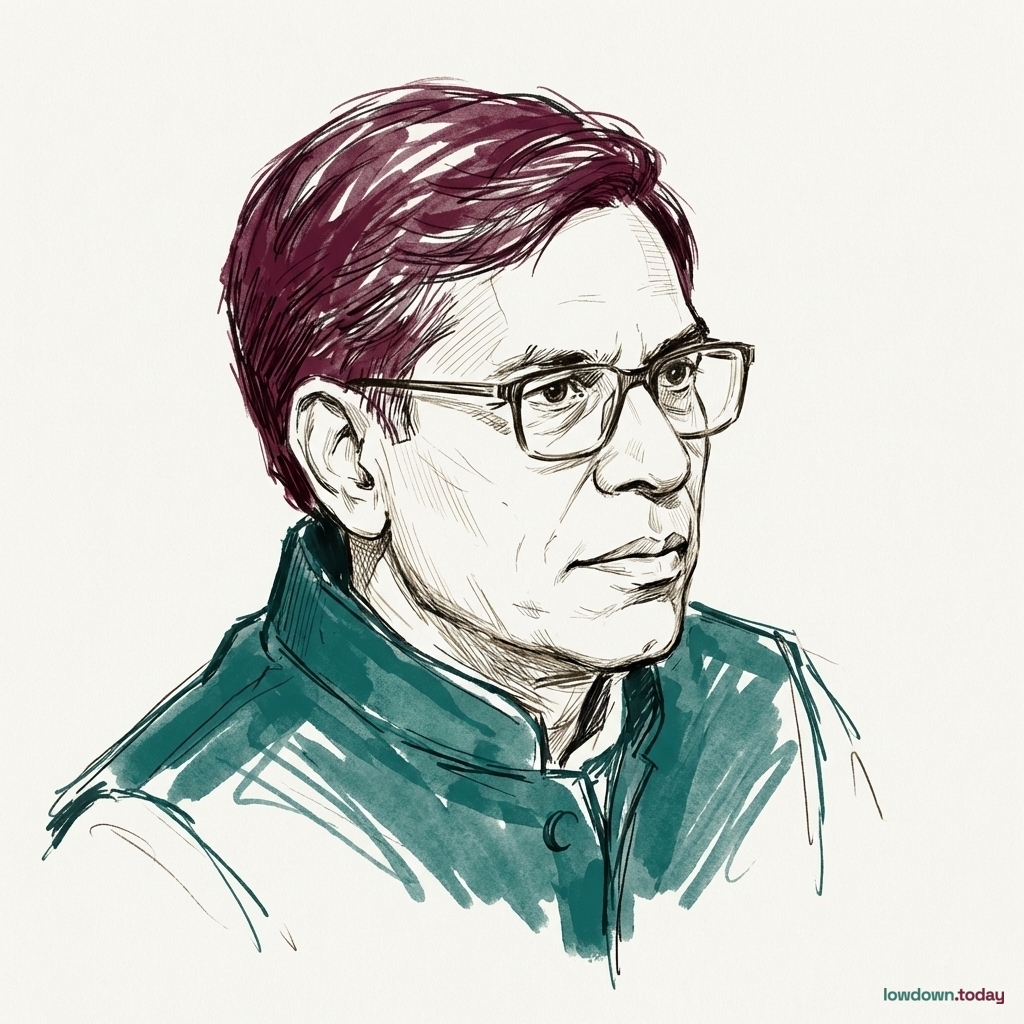
Vikram Misri
India’s Foreign Secretary; issued the first non-Western formal protest against Iran’s conduct in the 2026 Hormuz conflict.
Last refreshed: 21 April 2026 · Appears in 1 active topic
India’s top diplomat warned Iran directly after IRGC fired on cleared ships; has Delhi’s strategic neutrality broken?
Timeline for Vikram Misri
Remained engaged on Epaminondas shipping demarche while MEA framed Chabahar transfer as tactical recalibration
Iran Conflict 2026: Chabahar waiver expires; India hands stake overMaintained nine days of public silence on OFAC Shamkhani designations while handling Epaminondas engagement
Iran Conflict 2026: India's Chabahar waiver lapses on SundayLed quiet diplomatic engagement with Tehran on Epaminondas while holding silence on OFAC sanctions naming Indian nationals
Iran Conflict 2026: India faces three Iran tracks, speaks on oneMentioned in: Iran internet blackout passes 51 days, a world record
Iran Conflict 2026Mentioned in: Hengaw reports executions and custodial death
Iran Conflict 2026Background
Vikram Misri is India's Foreign Secretary, the country's top career diplomat, appointed in July 2024 after serving as Ambassador to China and Pakistan. A member of the 1989 Indian Foreign Service batch, he has spent his career navigating South Asia's most sensitive bilateral relationships.
On 18 April 2026 Misri summoned Iran's ambassador Mohammad Fathali to protest the IRGC firing on Indian-flagged tankers Sanmar Herald and Jag Arnav, vessels that had received prior radio clearance before the IRGC's four-condition order overrode it. Three days earlier, OFAC had designated two Indian nationals and three Indian shipping entities connected to Iranian oil smuggling, placing India in a structural bind between the US sanctions regime and its own energy interests. Earlier in the conflict Misri had signed a condolence book for Ali Khamenei at the Iranian Embassy, a minimal gesture aimed at preserving back-channel access.
The summons marks the first non-Western diplomatic rupture produced by the US blockade. India depends on Iranian energy routes, the Chabahar port corridor, and has 60% of its oil flowing through Hormuz. The IRGC's attack on cleared vessels crossed a threshold India's strategic-autonomy calibration could no longer absorb. Misri's personal protest upgrades Delhi from observer to active complainant, the first Global South government to formally protest Iran's Conduct in the conflict.
Who is Vikram Misri?
Why did Vikram Misri warn Iran’s ambassador in April 2026?
What did Vikram Misri do during the Iran conflict?
How does India’s Foreign Secretary differ from the External Affairs Minister?