Urals Crude
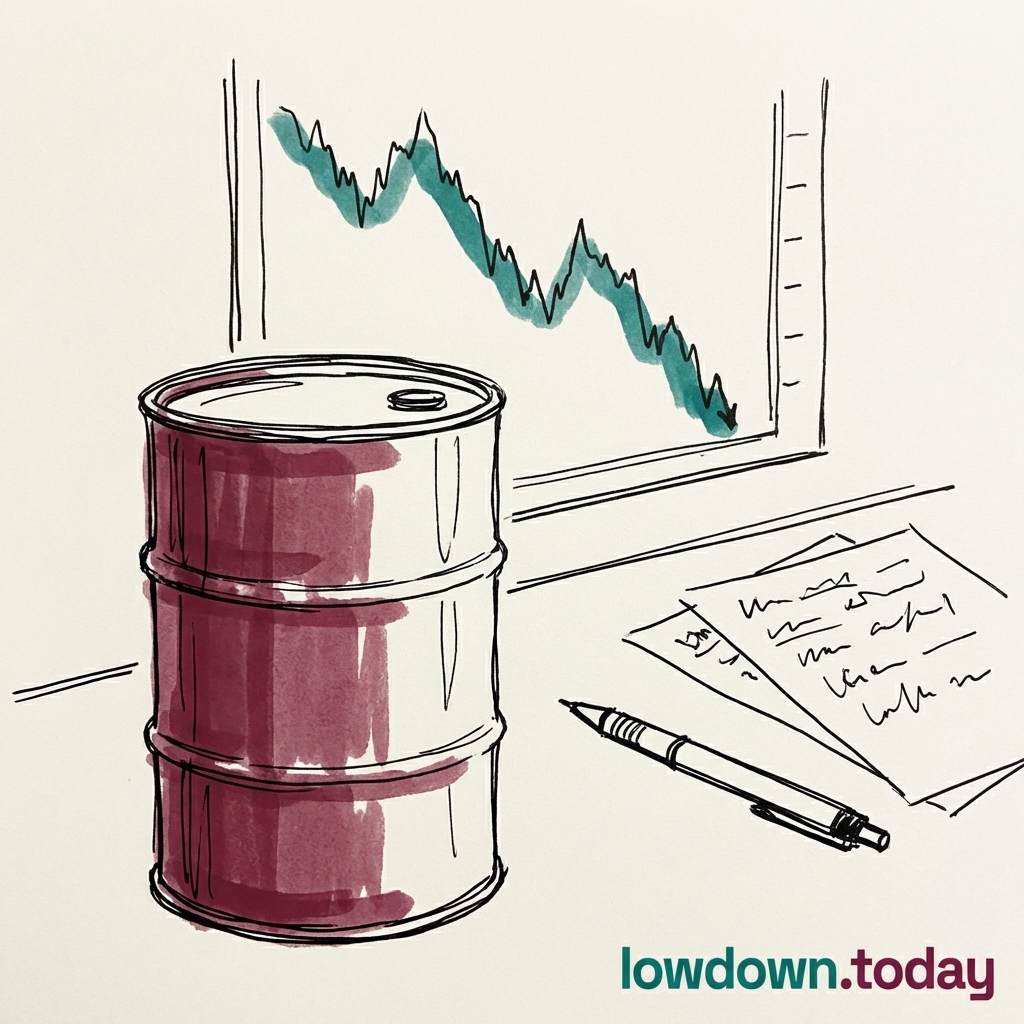
Russia's benchmark crude oil grade; surged to $123/barrel in April 2026 despite sanctions.
Last refreshed: 6 April 2026 · Appears in 1 active topic
Did the Iran war just hand Russia an oil windfall that erased all Western sanctions pressure?
Timeline for Urals Crude
Mentioned in: EU bans Russian LNG from 25 April
Russia-Ukraine War 2026Mentioned in: Russia spends 38% of budget on war
Russia-Ukraine War 2026Mentioned in: Afipsky refinery hit in drone strike
Russia-Ukraine War 2026Mentioned in: 124m barrels of Russian crude freed
Russia-Ukraine War 2026Mentioned in: Russia oil revenue down 32% in January
Russia-Ukraine War 2026- What is Urals crude oil?
- Urals Crude is Russia's primary oil export blend, a medium-sour mixture from the Volga-Ural basin and Western Siberia, priced at a discount to the Brent Crude benchmark. Sanctions and the Ukraine war widened that discount sharply after 2022.Source: entity_background
- Why did Urals crude reach $123 per barrel in 2026?
- The Iran war disrupted Gulf oil supplies in early April 2026, driving global crude prices sharply higher. Urals, which had been trading below $38 in January 2026, reached $123.45 on 3 April 2026, more than double Russia's $59 federal budget assumption.Source: russia-ukraine-war-2026 update 11
- Did Western sanctions on Russian oil work?
- Sanctions reduced Urals below Russia's budget breakeven for much of 2025 and early 2026, cutting revenues by 32% year-on-year. However, the April 2026 price spike driven by the Iran war restored revenues dramatically, illustrating that external commodity shocks can overwhelm designed price-cap mechanisms.Source: russia-ukraine-war-2026 updates 1, 11
- What is the difference between Urals crude and Brent crude?
- Brent Crude is the global benchmark, extracted from North Sea fields and used to price roughly two-thirds of world oil contracts. Urals is Russia's export blend, heavier and higher in sulphur than Brent, traded at a structural discount. Sanctions since 2022 widened that discount from $1-3 to $20+ per barrel at peak.Source: entity_background
- How much oil does Russia export through the Baltic terminals?
- Russia's Baltic terminals at Ust-Luga and Primorsk are its primary export hubs, handling a significant share of crude shipments. Ukrainian drone strikes in early April 2026 caused a 43% collapse in Baltic export volumes, forcing rerouting through the Arctic and Black Sea.Source: russia-ukraine-war-2026 update 11
Background
Urals Crude is Russia's primary export oil blend, a medium-sour mixture of grades from the Volga-Ural basin and Western Siberia, priced at a discount to Brent Crude as the global benchmark. Before 2022 the discount was modest, around $1-3 per barrel; Western sanctions following Russia's invasion of Ukraine forced Moscow to redirect shipments to India and China, widening the discount sharply and reducing revenues. The G7 price cap set at $60 per barrel in December 2022 further constrained pricing by threatening secondary sanctions on buyers who paid above the cap.
By early 2026, with Brent at around $62.50, Urals was trading below $38, cutting Russian oil and gas revenues by roughly 32% year-on-year. That picture reversed dramatically in April 2026: the Iran war disrupted Gulf supplies, driving Urals to $123.45 per barrel on 3 April, more than double Russia's $59 budget assumption. Despite a 43% collapse in Baltic export volumes following Ukrainian drone strikes on Ust-Luga and Primorsk, Russia's oil revenues were projected to jump 70% in April versus March, generating roughly $150 million per day in additional income.
The Urals price surge illustrates a structural paradox of the sanctions regime: measures designed to starve Russia of revenue can be overwhelmed by external commodity shocks that no Western government controls. At $123, even a significantly reduced export volume generates more income than the pre-war baseline at $60. The sensitivity of Russian war finance to Urals pricing has become a primary strategic variable, with infrastructure targeting, price caps, and global commodity markets all pulling in different directions simultaneously.


