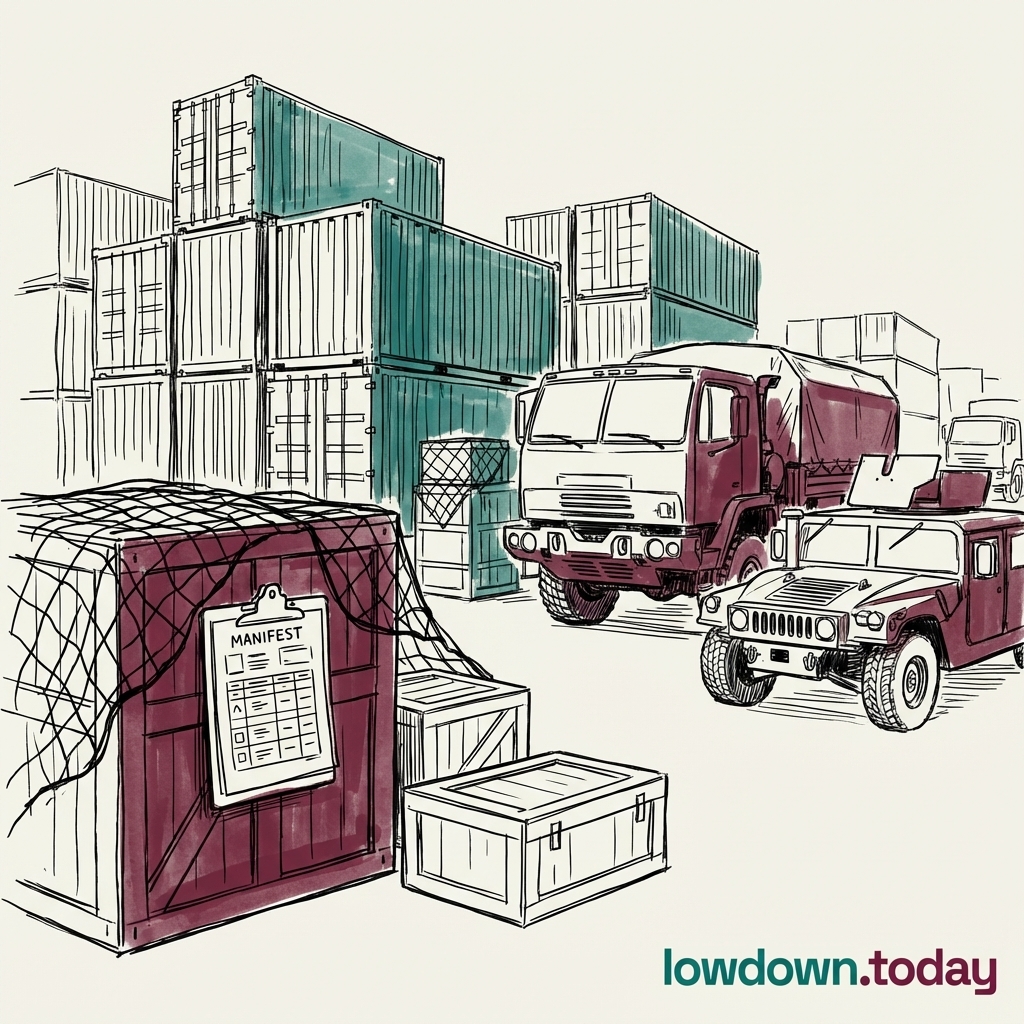
The Pentagon redirected Ukraine's NATO war chest to cover Iran losses: who pays the price?
Timeline for PURL
Mentioned in: Trump and Rutte widen the PURL scheme
Russia-Ukraine War 2026Mentioned in: US Envoys Plan First Kyiv Visit After Easter
Russia-Ukraine War 2026Mentioned in: Ukraine intercepts 89.9% in March
Russia-Ukraine War 2026Pentagon to divert $750m from Ukraine
Russia-Ukraine War 2026Mentioned in: Sanctioned Russian MPs visit Congress
Russia-Ukraine War 2026Background
On 14 July 2026 Donald Trump and NATO Secretary-General Mark Rutte announced an expansion of PURL. Under the mechanism, European allies and Canada now buy American-made weapons outright, with NATO coordinating delivery to Ukraine through NSATU at Wiesbaden, replacing direct US donation. Contributing states named for the July expansion include Canada, Germany, Sweden, Denmark, Norway and the Netherlands.
PURL, the Prioritized Ukraine Requirements List, succeeded the slower Ramstein donor-group model. NATO's most recent published figure puts total commitments at more than $4 billion, drawn from named packages including Germany, Norway and Poland; Germany, the Netherlands and Norway; and a group of Belgium, Canada, Luxembourg, Portugal, Slovenia and Spain. A separate $15 billion figure in circulation is Volodymyr Zelenskyy's own statement of what Ukraine needs this year, not an alliance commitment. The Pentagon notified Congress on 26 March that it would divert $750 million from PURL to restock US inventories depleted by the Iran campaign, prompting Emmanuel Macron to warn against diverting support from Ukraine.
The buy-not-donate structure shifts political risk from Washington's domestic politics to allied treasuries, insulating Ukraine's supply chain from future US funding fights, though it also means European taxpayers now carry costs Washington previously absorbed. The March diversion, still the only instance of Washington drawing on Ukraine-earmarked NATO money for its own restocking, remains a precedent the July expansion has not reversed.
Reference
What is PURL and what does it stand for?
Recently resolved
Why did the US divert money from the PURL fund?
How much was diverted from the PURL fund?
Which countries are funding the PURL expansion?
How much money has NATO committed to PURL?



Written with AI from Lowdown's published reporting. Not individually reviewed by an editor. Updated 19 July 2026. Editorial standards.