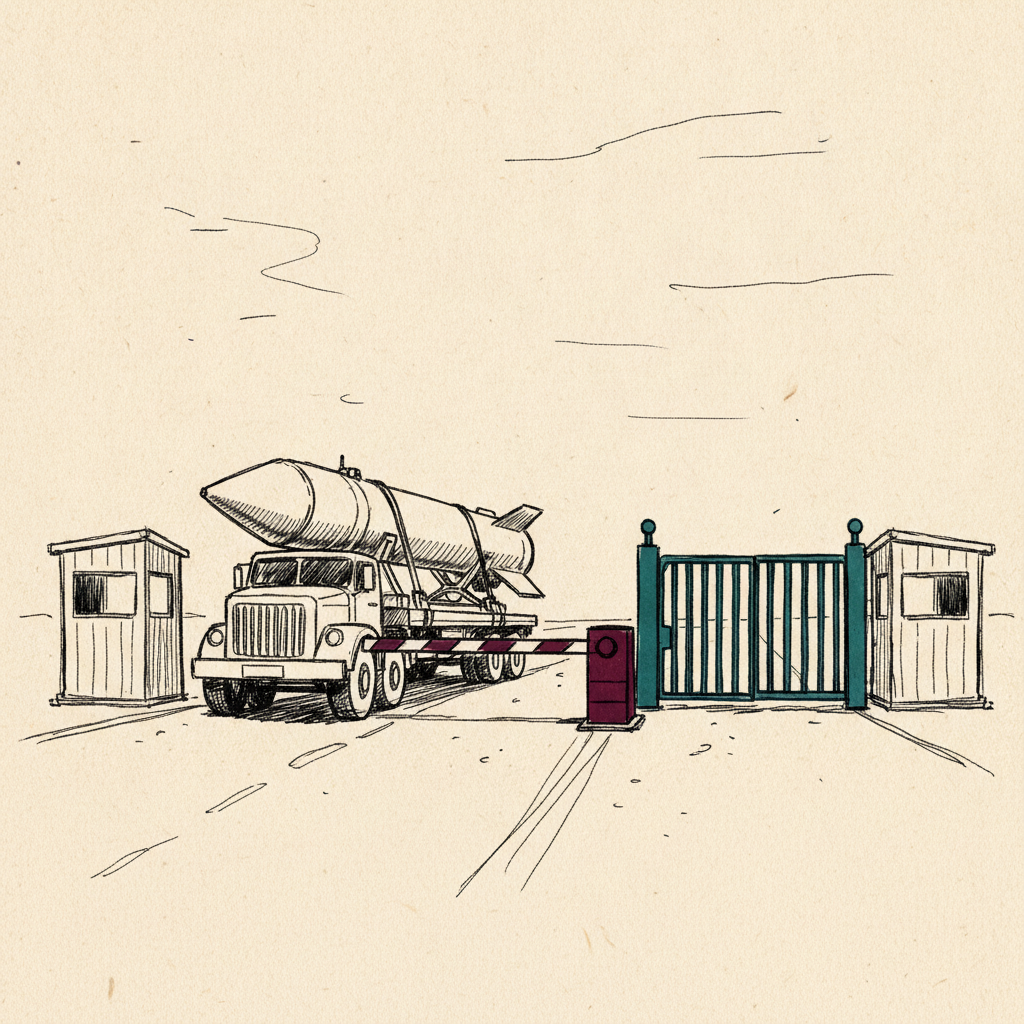
Missile Technology Control Regime
35-country informal export-control regime restricting transfers of missiles and large drones since 1987.
Founded by the G-7 in 1987, the Missile Technology Control Regime restricts transfers of drones able to carry 500kg to 300km; on 15 September 2025 Washington began treating drone exports like manned combat aircraft.
Last refreshed: 26 October 2026
Has the US reinterpretation left the MTCR able to limit armed-drone exports?
Timeline for Missile Technology Control Regime
Mentioned in: EDGE Group sells Morocco drone bombs
Drones: Industry & DefenceBackground
The Missile Technology Control Regime (MTCR) is an informal grouping of 35 partner countries that coordinate export controls on missiles and uncrewed aerial vehicles able to deliver Weapons of Mass Destruction. The MTCR has no treaty status, so partners take on no legally binding obligations. Partners agree common guidelines and a control list, then apply them through national export licensing.
The G-7 states (Canada, France, Germany, Italy, Japan, the UK and the US) founded it in 1987. Category I covers complete rocket and drone systems able to carry at least 500kg to at least 300km, and carries a strong presumption of denial. Category II covers other complete systems with a range of at least 300km, whatever it carries. There is no secretariat; France acts as the Point of Contact. China is not a partner, but its October 2026 drone export rule uses the same 300km range threshold.
On 15 September 2025 the US State Department said it would review exports of uncrewed aircraft as it reviews manned combat aircraft, rather than as missiles. That extended a 2020 US policy which moved slower Category I drones into Category II. Critics, including the Arms Control Association, say the change weakens consensus-based restraint among the partners.
What is the Missile Technology Control Regime?
Which drones fall under MTCR Category I?
How did the US change its MTCR policy on drone exports?

Written with AI from Lowdown's published reporting. Not individually reviewed by an editor. Updated 26 October 2026. Editorial standards.