Why did Russia's own minister admit the country's reserves are exhausted on the record?
Timeline for Maxim Reshetnikov
Mentioned in: Moscow posts surplus as shares sink
Russia-Ukraine War 2026Issued late-April warning that NWF liquid share could fall to ~$12.5bn by year-end
Russia-Ukraine War 2026: Russia oil revenue -38% as Q1 deficit hits ceilingRussia Blows Annual Deficit Target in One Quarter
Russia-Ukraine War 2026Projected the National Wealth Fund's liquid share could fall to ~$12.5bn by year-end 2026
Russia-Ukraine War 2026: NWF liquid share heads for $12.5bnReshetnikov tells Meduza Russia's reserves exhausted
Russia-Ukraine War 2026Background
As of 1 July 2026, liquid assets in Russia's National Wealth Fund stood at 3.61tn roubles, about $46.4bn, having risen 200bn roubles month on month, and June delivered Russia's first monthly budget surplus of 2026, 0.28tn roubles. Reshetnikov's own late-April projection, that the Fund's liquid share could fall to roughly $12.5bn by year-end, now looks unlikely to be met with five months still to run. The other side of the ledger remains stretched: the half-year deficit stands at 5.73tn roubles, 2.35tn roubles worse than the same period in 2025, with spending running 16.1% above 2025 levels; the Finance Ministry attributes June's surplus to front-loaded contract advances tapering off rather than to a genuine revenue recovery.
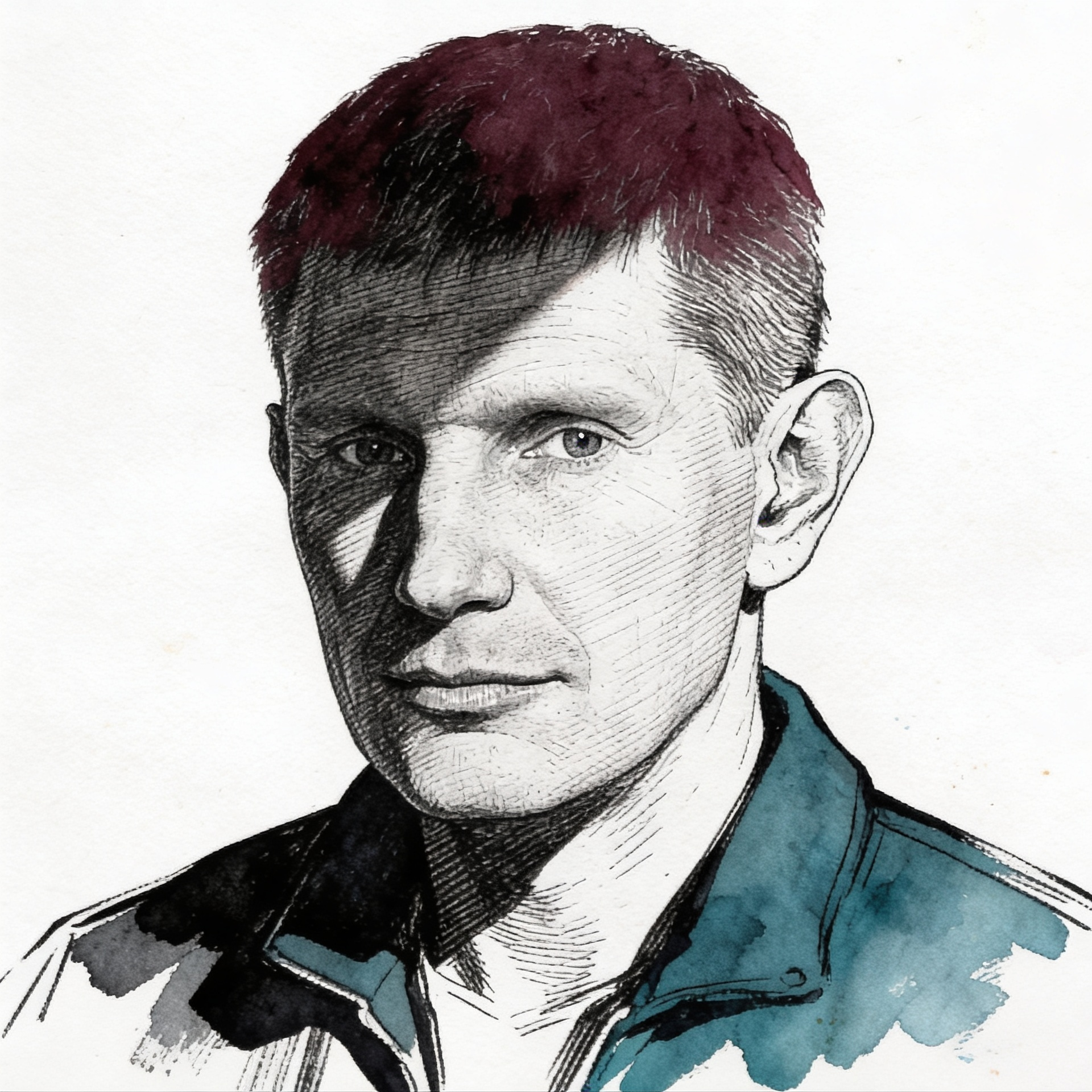
Reshetnikov has served as Russia's Minister of Economic Development since 2020, making him one of the longest-serving members of Putin's current Cabinet. On 17 April 2026, he told Meduza that Russia's economic buffers are "largely exhausted", adding: "The macroeconomic situation is genuinely significantly more difficult." He noted that businesses had previously absorbed the shock of war-related disruption "by drawing on internal reserves" but that capacity had run down.
His admission came two days after Putin publicly demanded that his government and the Central Bank explain why macroeconomic indicators had fallen short of expectations, attributing the shortfall to "seasonal factors" -- the sharpest internal contradiction in Russian economic messaging since the invasion. Reshetnikov's candour is rare for a serving Russian minister; his continued tenure through both the April admission and the more recent NWF recovery suggests the Kremlin tolerates his direct reporting rather than endorsing the framing.
Who is Maxim Reshetnikov?
What did Russia's economy minister say about the war's economic cost?
Why is Reshetnikov's admission about Russia's economy significant?
What is Russia's Ministry of Economic Development responsible for?
Is Russia's National Wealth Fund running out of money in 2026?
Did Russia post a budget surplus in June 2026?


Written with AI from Lowdown's published reporting. Not individually reviewed by an editor. Updated 19 July 2026. Editorial standards.