Maham-3
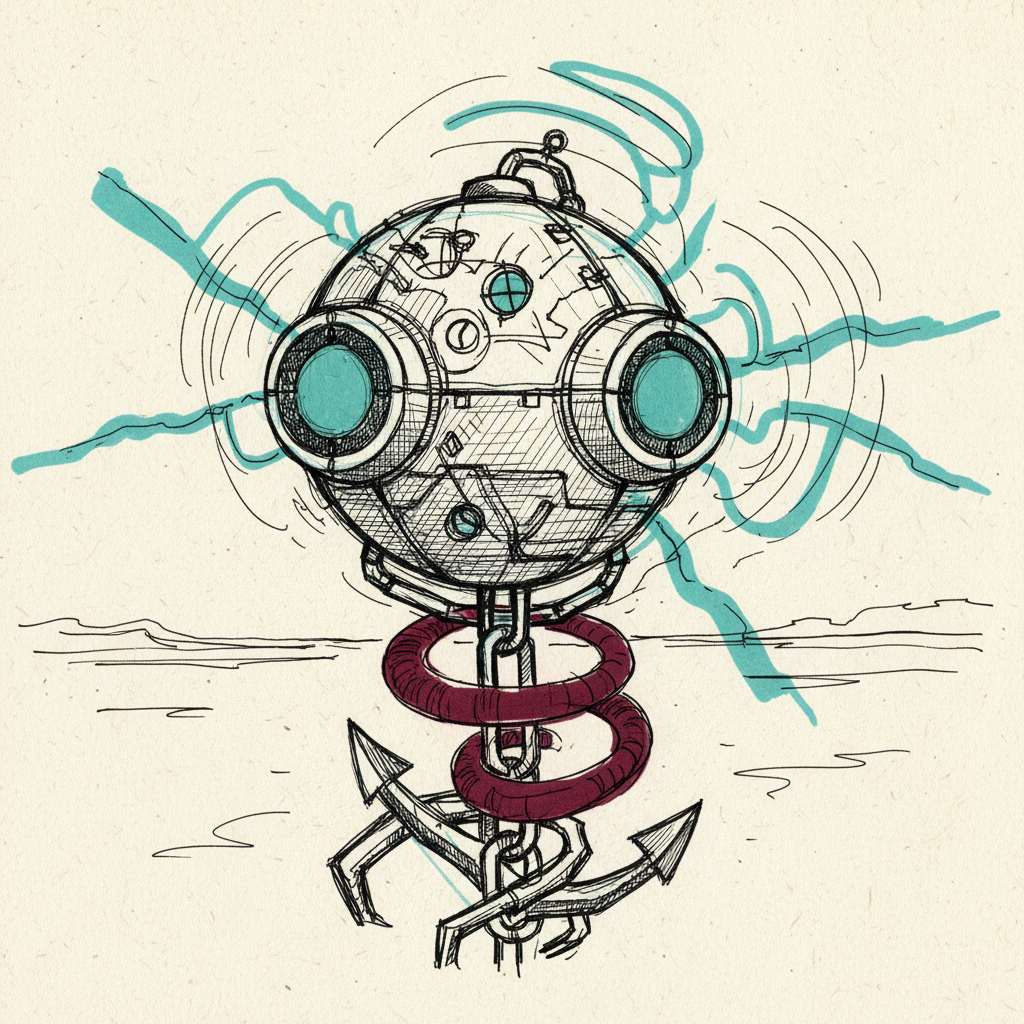
Iranian moored naval mine with magnetic and acoustic sensors; deployed in the strait of Hormuz.
Last refreshed: 11 April 2026 · Appears in 1 active topic
If Iran can't locate its own Hormuz mines, who clears them and bears the risk?
Timeline for Maham-3
Mentioned in: Pentagon gives Congress Hormuz clock Trump has not
Iran Conflict 2026Mentioned in: US warships transit Hormuz for mines
Iran Conflict 2026Moored mine with magnetic and acoustic sensors
Iran Conflict 2026: Iran lost track of its own minefieldBackground
The Maham-3 is an Iranian-manufactured moored contact and influence mine designed to detect vessels via their magnetic signature and acoustic emission. In April 2026, US intelligence officials confirmed that Iran deployed at least a dozen Maham-3 and Maham-7 mines in the Strait of Hormuz without maintaining a systematic record of every placement, leaving Tehran unable to reliably map or recover all of them. The IRGC's own corridor charts published on 9 April, routing traffic near Larak Island, have been interpreted by analysts as an indirect acknowledgement that Iran does not know which channels remain SAFE.
The Maham-3 operates as a moored mine: anchored to the seabed by a cable, it floats at a set depth in the shipping lane. Its dual-sensor design allows it to trigger on either magnetic anomaly or acoustic signature, making it effective against vessels with low magnetic signatures. The Maham-7 is a distinct model configured as a seabed limpet device with sonar-evading characteristics. Iran has acknowledged lacking the mine-clearance capability required to remove the devices once located.
The operational consequence is acute: more than 600 vessels, including 325 oil tankers, remained stranded inside The Gulf as of 10 April 2026, with Hormuz transits running at 5-7 per day against a pre-war baseline of 120 to 140. Kpler projects a ceiling of 10-15 transits per day even under full Ceasefire conditions. The mines effectively function as a passive blockade that Iran can no longer fully control.
What are the Iranian mines blocking the Strait of Hormuz?
Can Iran's mines in Hormuz be cleared?
How many ships are stuck in the Persian Gulf because of mines?
What is the difference between the Maham-3 and Maham-7 mines?

