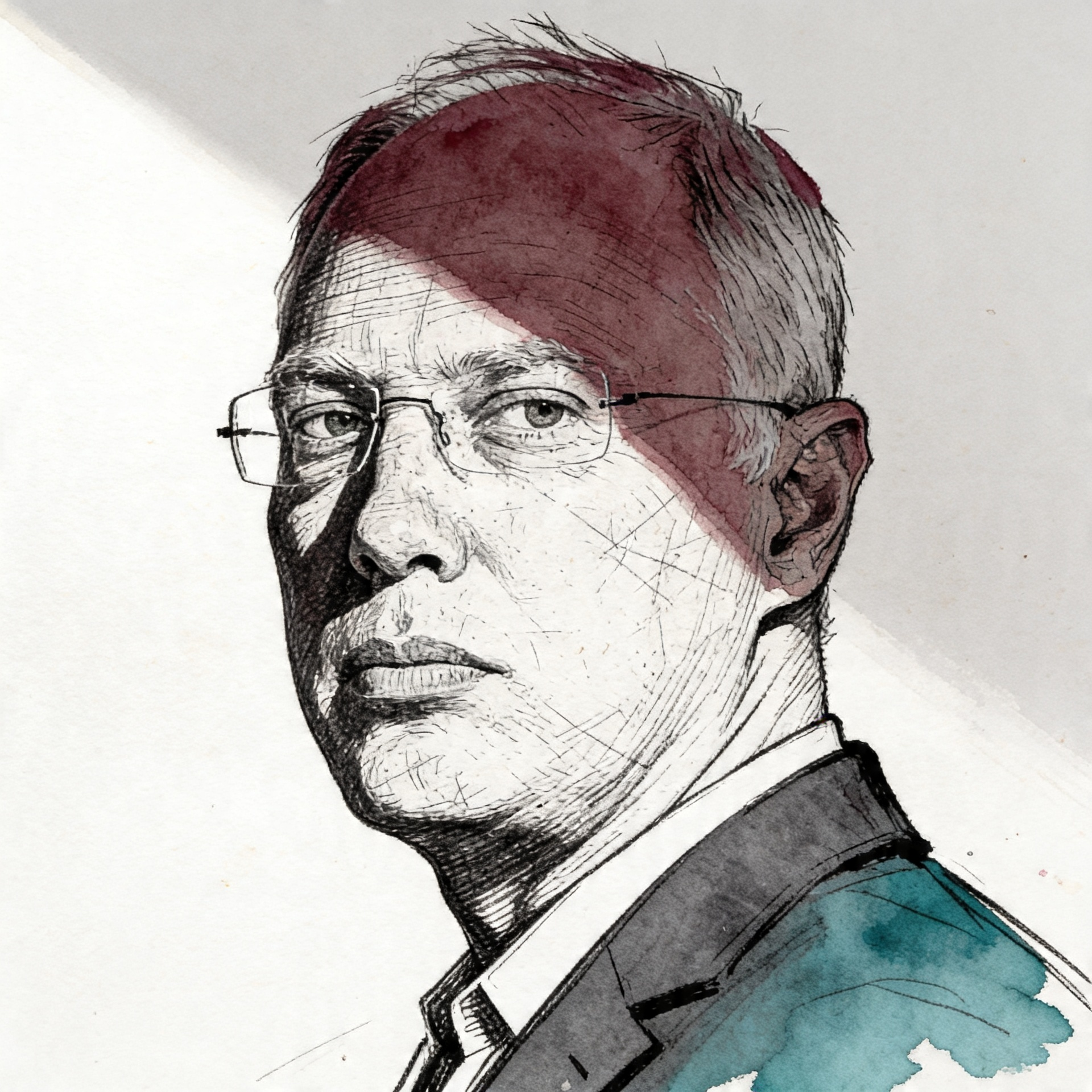
Kirill Dmitriev
Head of Russian Direct Investment Fund; Putin's back-channel to Washington on sanctions and prisoner swaps.
Last refreshed: 22 September 2026 · Appears in 1 active topic
Why is Putin's dealmaker meeting US officials while Kyiv's channel is frozen?
Timeline for Kirill Dmitriev
Mentioned in: Istanbul Talks End in an Hour, No Territory
Russia-Ukraine War 2026Mentioned in: Putin asks Trump for parade-day truce
Russia-Ukraine War 2026Met US administration officials in Washington on Ukraine peace and US-Russia economic cooperation
Russia-Ukraine War 2026: Dmitriev met US officials as Kyiv channel stayed coldMentioned in: 124m barrels of Russian crude freed
Russia-Ukraine War 2026Mentioned in: 56% of Russian crude on shadow tankers
Russia-Ukraine War 2026Background
Kirill Dmitriev is the CEO of the Russian Direct Investment Fund (RDIF), Russia's sovereign wealth vehicle, and Putin's designated envoy for back-channel contact with Western officials. On 14 April 2026, it emerged that Dmitriev had held informal meetings with US officials while the formal Kyiv negotiating channel remained frozen, a divergence that underlined Moscow's preference for bilateral US-Russia contacts rather than Kyiv-inclusive talks.
Dmitriev holds a Stanford MBA and spent years at Goldman Sachs and McKinsey before being appointed RDIF head in 2011. He has brokered the UAE-mediated 175-for-175 prisoner swap announced in April 2026 and was a key figure in securing the earlier Sputnik V vaccine international deals that kept the fund solvent during initial Western sanctions. He publicly argued that the US Treasury's 30-day oil sanctions waivers were a model of pragmatic energy market management, framing Russian crude exports as structurally necessary to global supply stability.
His access to Trump-era US officials distinguishes him from most sanctioned Russian figures. Western governments view his channel with suspicion: Kyiv regards it as a mechanism for Moscow to secure sanctions relief without Ceasefire concessions. The Kremlin treats him as indispensable precisely because his Western education and private-equity background make him legible to US interlocutors who would refuse meetings with Russian security officials.
What did Kirill Dmitriev meet US officials about?
Who is Kirill Dmitriev and why does he have US access?
What is the Russian Direct Investment Fund?
Did Russia get a 175-for-175 prisoner swap in 2026?
Written with AI from Lowdown's published reporting. Not individually reviewed by an editor. Updated 22 September 2026. Editorial standards.