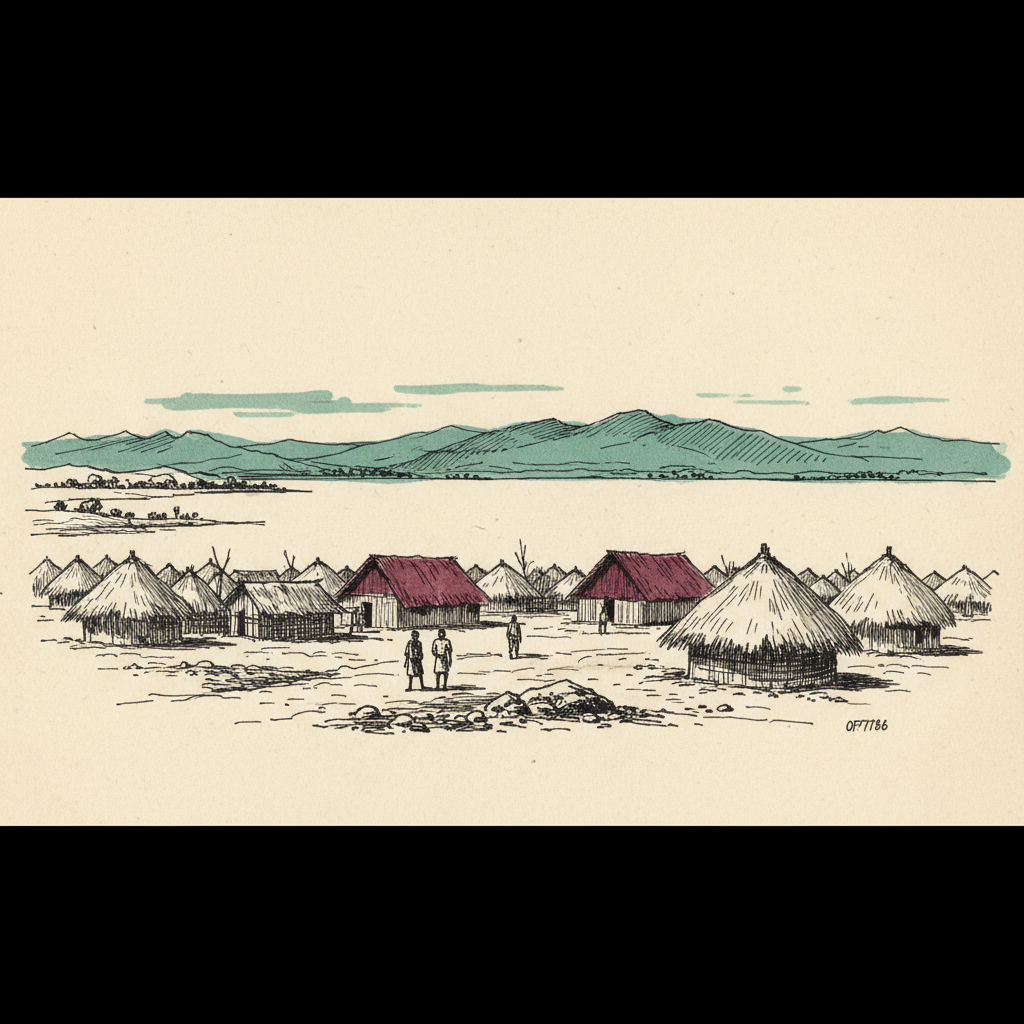
Djugu
Ituri territory; armed-group attacks killed 69 people weeks before the 2026 Bundibugyo PHEIC outbreak.
By 15 July, Ebola caseloads had forced nine of Djugu's twelve Heritage health area posts to close; a local sector chief blamed the shutdowns for over a hundred deaths, a toll not corroborated by surveillance data.
Last refreshed: 31 July 2026 · Appears in 1 active topic
How does Djugu's ongoing armed violence prevent Ebola teams from reaching the outbreak zone?
Timeline for Djugu
Mentioned in: Panzi logs 646 survivors in six months
Pandemics and BiosecurityMentioned in: Ebola beds sit empty in the epicentre
Pandemics and BiosecurityNine of twelve Djugu posts shut
Pandemics and BiosecurityIturi outbreak ran undetected for weeks
Pandemics and BiosecurityMentioned in: Science links USAID cut to violence
Pandemics and BiosecurityBackground
Djugu is a territory in Ituri Province, north-eastern DR Congo, that has been a flashpoint for Lendu-Hema communal conflict since at least 2017, with the UN's MONUSCO mission present for years without decisively suppressing the violence. In the weeks before WHO's 14 May 2026 PHEIC declaration for Bundibugyo Ebola, armed-group attacks in Djugu killed 69 people, displacing communities and severely constraining health-worker access to the territory.
The territory contains Mongbwalu, one of the three Ituri health zones with confirmed active Bundibugyo transmission, and its Heritage health area sits inside the outbreak's most access-constrained ground: response Teams cannot deploy into active conflict zones without military escorts that are often unavailable or delayed, so Population Displacement routinely moves people from areas where surveillance operates into areas where it does not.
Djugu is the sharpest illustration of why the wider Ituri outbreak has proved harder to contain than one in a stable environment: the response depends on community trust and mobility that active conflict directly undermines, a dependency that has deepened rather than eased the longer the outbreak has run.