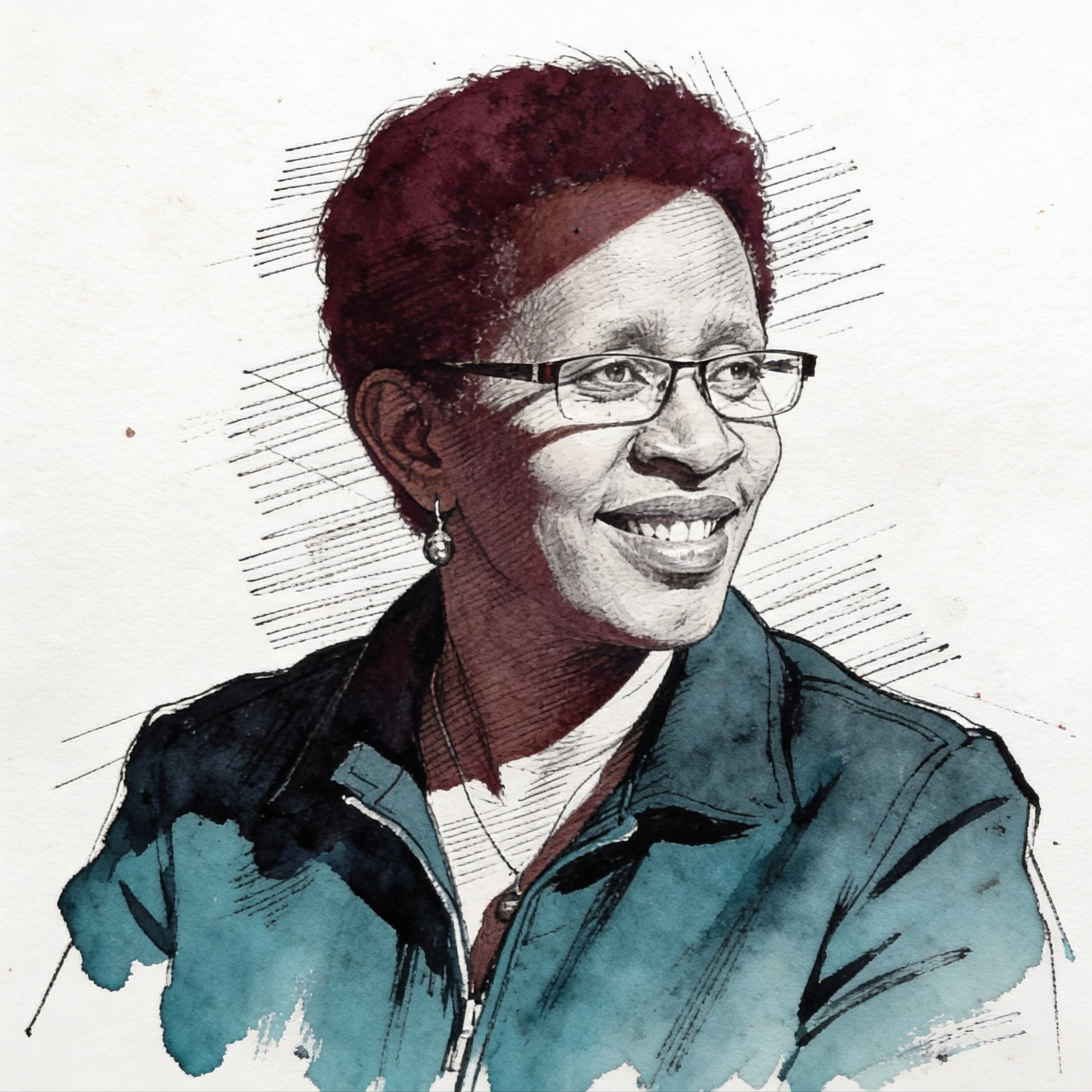
Diana Atwine
Uganda Ministry of Health Permanent Secretary; confirmed Kampala Bundibugyo index case 14 May 2026.
After WHO declared Uganda's 20-case Bundibugyo Ebola outbreak over on 26 August 2026, Diana Atwine accepted the 42-day wait as "the guideline" but said other countries "should definitely lift the restrictions off the country".
Last refreshed: 4 October 2026 · Appears in 1 active topic
How did Uganda contain Ebola in 2022 without a vaccine, and can it do it again in 2026?
Timeline for Diana Atwine
Mentioned in: WHO calls Uganda's Ebola outbreak over
Pandemics and BiosecurityMentioned in: Uganda Ebola cases jump from 2 to 9
Pandemics and BiosecurityMentioned in: IHR committee meets, rejects travel bans
Pandemics and BiosecurityConfirmed the Kampala Ebola case as imported from DRC and announced border response measures
Pandemics and Biosecurity: Uganda runs 2022 Sudan Ebola playbookBackground
Diana Atwine is the Permanent Secretary of Uganda's Ministry of Health, the senior career official WHO runs the ministry day to day and leads its operational response to health emergencies. Unlike the Minister of Health, a political appointee, the Permanent Secretary stays in POST across political cycles. Atwine announced the ministry's case confirmations during the 2026 Bundibugyo outbreak.
Her standing on filoviruses rests on the 2022 Sudan ebolavirus outbreak. Uganda confirmed 142 cases and 55 deaths over 113 days and contained the outbreak through contact tracing and community engagement, with no licensed vaccine for that species. In 2022 her regular public briefings were credited with curbing rumour and keeping communities cooperative.
In 2026 she applied the same playbook to Bundibugyo ebolavirus, which also has no approved vaccine. The test was harder: the 2022 outbreak began in one district hospital, while the 2026 chain reached Kampala, the capital, with its international airport. Uganda's outbreak still stopped at 20 cases and two deaths.
Atwine confirmed the first imported case
On 14 May 2026 Atwine announced Uganda's first Bundibugyo case: "This is an imported case from DRC. The country has not yet confirmed a local case." The patient, a 59-year-old Congolese man, had been admitted to Kibuli Muslim Hospital in Kampala on 11 May and died on 14 May. His body was returned to DR Congo the same evening, which complicated contact mapping.
She put contacts under quarantine, sent a mobile laboratory to Bwera Hospital on the DR Congo border and started screening at western entry points. By 17 May at least 25 contacts were under monitoring. Her early line did not hold for long: confirmed cases rose from two to nine between 21 and 29 May, all in Kampala and neighbouring Wakiso.