Kibuli Muslim Hospital
Kampala hospital that admitted Uganda's Bundibugyo index case on 11 May 2026; patient died 14 May.
Last refreshed: 17 May 2026 · Appears in 1 active topic
How many people were potentially exposed at Kibuli Muslim Hospital before the Bundibugyo case was confirmed?
Timeline for Kibuli Muslim Hospital
Uganda runs 2022 Sudan Ebola playbook
Pandemics and BiosecurityBackground
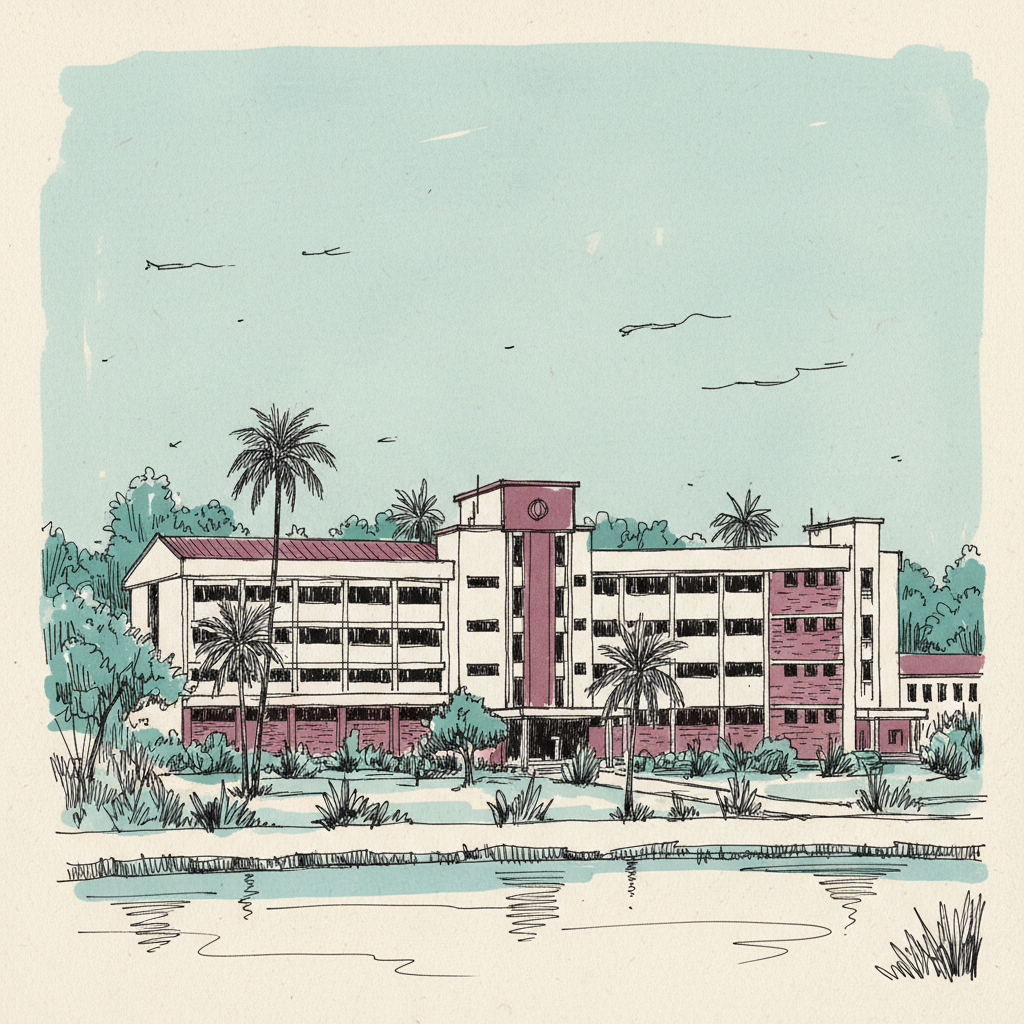
Kibuli Muslim Hospital is a faith-based referral facility in Kampala, Uganda. It became the first point of contact with Uganda's Bundibugyo ebolavirus index case when a 59-year-old Congolese man was admitted on Monday 11 May 2026, having crossed from DR Congo. The patient died on Thursday 14 May, the same day Uganda's Ministry of Health reported the case to WHO and INRB in Kinshasa confirmed the Bundibugyo species.
The hospital's handling of the case triggered Uganda's established Ebola response protocol, honed during the 2022 Sudan ebolavirus outbreak. Contact tracing from Kibuli Muslim Hospital extended to staff, patients, and visitors present during the man's three-day admission. Uganda's Ministry of Health placed the hospital's high-risk contacts under active monitoring and initiated a ring vaccination assessment for any approved available medical countermeasures.
Kibuli Muslim Hospital is a significant institution in Uganda's Muslim community and serves a broad Kampala population. Its location in a densely populated urban area, and the three-day window between admission and confirmed diagnosis, created a large initial contact list for Ugandan public health investigators to manage.