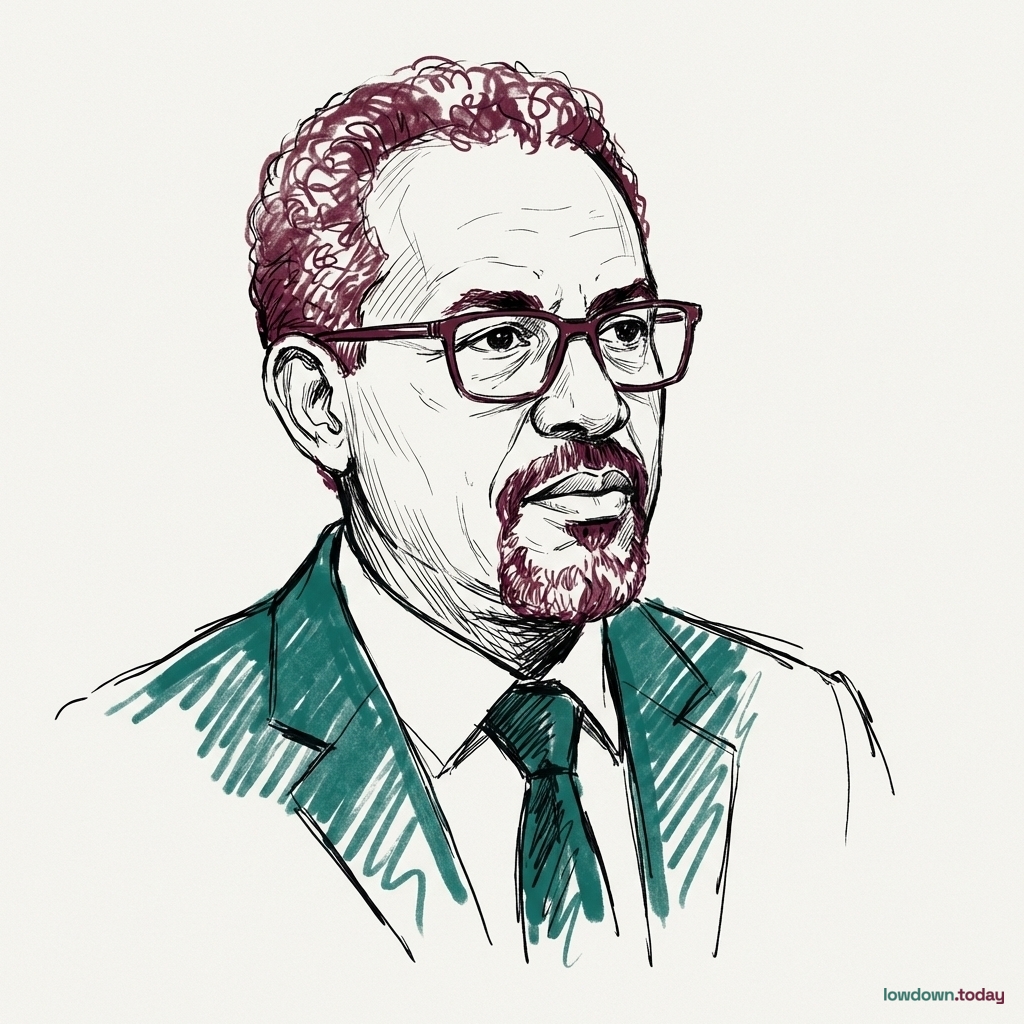
Tedros Adhanom Ghebreyesus
WHO Director-General; declared Bundibugyo PHEIC and managing Iran conflict's disruption to global health logistics.
Tedros declared Bundibugyo Ebola a global health emergency on 17 May 2026 without first convening his Emergency Committee; by 20 July he was calling it the third-largest Ebola outbreak on record.
Last refreshed: 4 October 2026 · Appears in 2 active topics
Can Tedros contain an Ebola outbreak that has now reached Europe while managing a WHO logistics crisis?
Timeline for Tedros Adhanom Ghebreyesus
Mentioned in: WHO talks on pathogen sharing fail again
Pandemics and BiosecurityCalled the outbreak the third-largest on record globally
Pandemics and Biosecurity: Bundibugyo sets DR Congo's Ebola recordCalled it the third-largest Ebola outbreak on record
Pandemics and Biosecurity: 80% of Ebola cases now untracedCo-signed the letter with Lula naming the PABS deadline
Pandemics and Biosecurity: PABS talks reopen under a deadlineStated outbreak was 'outpacing us' on 25 May and visited Ituri Province on 28 May
Pandemics and Biosecurity: Uganda Ebola cases jump from 2 to 9Background
Tedros Adhanom Ghebreyesus has led the World Health Organization since 2017, the first African and the first non-physician to hold the POST. An Ethiopian, he served as his country's Minister of Health and then as Foreign Minister before taking the job.
His tenure is defined by emergency declarations. The Bundibugyo Ebola emergency of 17 May 2026 was his fifth, after Ebola in DR Congo in 2019, COVID-19 in 2020, mpox in 2022 and clade I mpox in 2024. Under him WHO also published its first blueprint on fungal disease and antifungal resistance, on 1 July 2026.
The 2026 Iran war tested his claim that health infrastructure is neutral. On 5 March he suspended operations at WHO's Dubai logistics hub, which handled more than 500 emergency orders in 2025, leaving $18m of supplies for 75 countries stuck. WHO under his leadership verified 13 attacks on health care in Iran from 28 February, with four dead and 25 injured.
Tedros moved before his committee did
On 17 May 2026 Tedros declared the Bundibugyo ebolavirus outbreak in DR Congo and Uganda a Public Health Emergency of International Concern. He did so without convening the IHR Emergency Committee and without Temporary Recommendations, a shortcut Article 12 of the International Health Regulations allows when he judges delay would cost lives. The committee met on 19 May and advised against travel or trade bans.
He warned on 25 May that the outbreak was "outpacing us" and visited Ituri Province on 28 May, naming attacks on health facilities as a main constraint. By 20 July WHO said more than 80% of new cases in DR Congo traced to no known contact, and Tedros ranked the epidemic the third-largest Ebola outbreak on record.
His deadline for the annex slipped
The WHO Pandemic Agreement, adopted in May 2025, cannot open for signature until its Pathogen Access and Benefit-Sharing (PABS) annex is agreed. On 15 June 2026 Tedros co-signed an open letter with Brazil's President Lula to the G7, G20 and BRICS, calling 17 July "a Deadline, not a milestone". He told the seventh negotiating session, which opened in Geneva on 6 July, that it was "the last realistic chance".
The Deadline passed without a text. The eighth session closed on 18 September without one either, leaving his flagship treaty unable to bind any government before the May 2027 World Health Assembly.
Reference
What is the new Pandemic Emergency tier and how does it differ from a PHEIC?
Who is Tedros Adhanom Ghebreyesus?
What did Tedros say about Ebola reaching France in June 2026?
What did Tedros say about the Ebola outbreak outpacing the response?
Did Africa CDC declare a Bundibugyo emergency before WHO?
Why did WHO declare a PHEIC without an Emergency Committee for Ebola?
How many healthcare attacks in Iran has WHO verified?
Which countries does the WHO Dubai hub supply?
How does Tedros compare to previous WHO Directors-General on conflict response?
What did Tedros say about the WHO Dubai hub and the Iran war?
When did WHO publish its first fungal disease Blueprint?
What did Tedros say about the deadline for the PABS annex?
How many PHEICs has Tedros declared as WHO Director-General?

