Kasese
Western Ugandan border district whose Ebola screening history informs today's regional response.
Kasese's 2019 Ebola response used border screening, local diagnosis and cross-border alerts to contain an imported family cluster in western Uganda.
Last refreshed: 22 October 2026 · Appears in 1 active topic
Why did Uganda rush a mobile lab to Kasese district as soon as the Bundibugyo PHEIC was declared?
Timeline for Kasese
Mentioned in: Kenya's Ebola chain reaches eight cases
Pandemics and BiosecurityMentioned in: IHR committee meets, rejects travel bans
Pandemics and BiosecurityUganda runs 2022 Sudan Ebola playbook
Pandemics and BiosecurityBackground
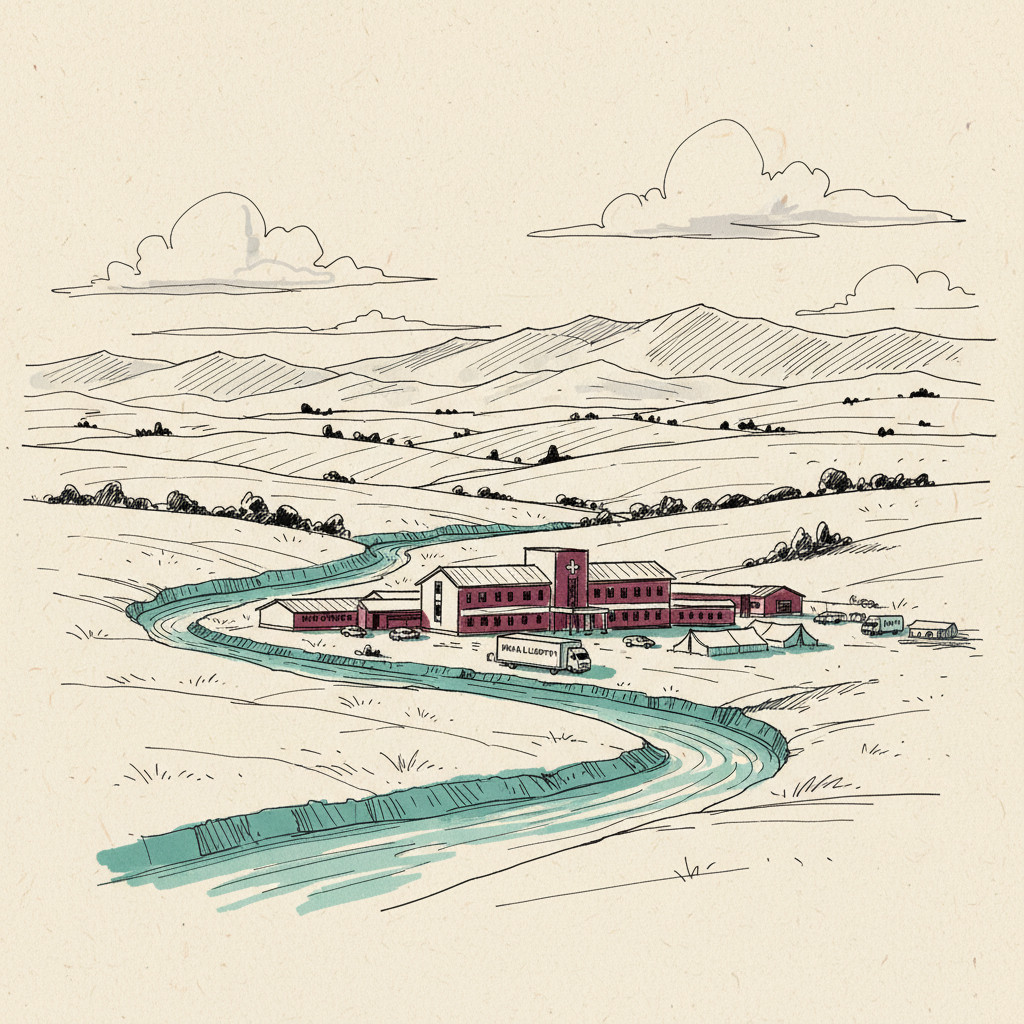
Kasese is a district in western Uganda on the border with the Democratic Republic of the Congo. The Bwera crossing and nearby health facilities sit on a movement corridor used by communities on both sides of the frontier. That position makes cross-border alerts, screening and rapid local diagnosis part of the district's public-health role.
Kasese's Ebola response history includes an imported family cluster in 2019. Uganda used cross-border information sharing, community surveillance, border screening and on-site testing to prevent wider transmission. Bwera Hospital has since served as a location for mobile laboratory capacity, bringing diagnosis closer to the crossing. The district's role fits International Health Regulations guidance that favours targeted exit screening and contact tracing over blanket travel restrictions. Kasese is therefore a border-response site rather than a national reference centre.
Why does Kasese matter to East Africa's Ebola response?
What happened during Kasese's 2019 Ebola outbreak?
How did Uganda contain Ebola in Kasese in 2019?
Written with AI from Lowdown's published reporting. Not individually reviewed by an editor. Updated 22 October 2026. Editorial standards.