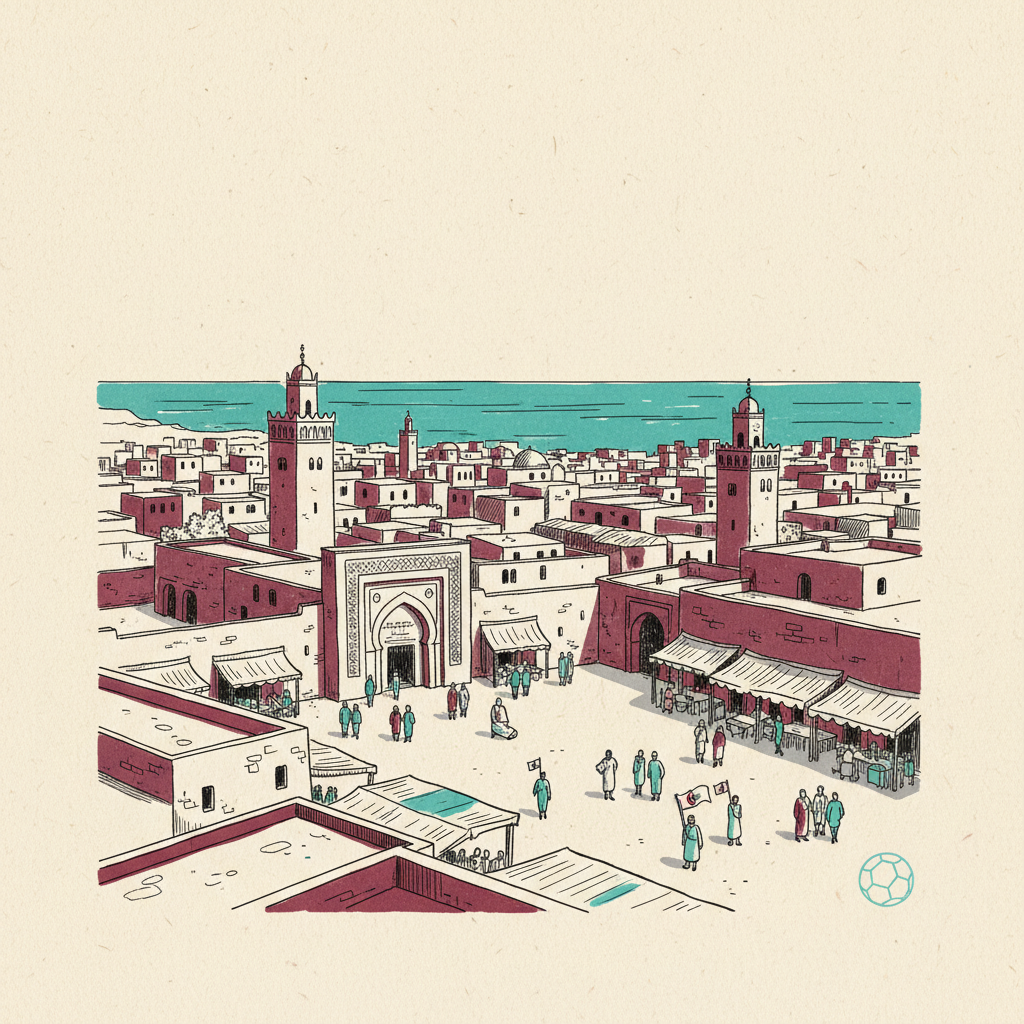
Algeria
North African republic; OPEC member, major gas exporter to Europe, and regional geopolitical actor.
On 2 August 2026, Algeria joined seven OPEC producers in agreeing a 188,000 barrel-a-day output increase for September.
Last refreshed: 22 September 2026 · Appears in 5 active topics
As an OPEC producer and World Cup qualifier, how is Algeria caught between two crises at once?
Timeline for Algeria
Mentioned in: WHO talks on pathogen sharing fail again
Pandemics and BiosecurityMentioned in: Qatar mediates in Beijing, files at UN
Iran Conflict 2026Mentioned in: OPEC release never mentions a pause
European Oil MarketsBacked the federated model on behalf of the Africa Group
Pandemics and Biosecurity: PABS annex slips a fourth deadlineMentioned in: Argentina break 10-man Swiss side late
2026 FIFA World CupBackground
Algeria is a North African republic, an OPEC member and a major pipeline and Liquefied Natural Gas exporter to Europe. Its energy position gives it influence in both crude-output discussions and European gas security.
The country combines hydrocarbon exports with a regional diplomatic role. Its OPEC membership places it in collective production decisions, while its gas links give European buyers a direct interest in Algerian supply. On 2 August 2026, Algeria was among seven producers agreeing the September output adjustment.
Algeria also acts through African multilateral groupings. In July 2026, the Africa Group remained divided from the European Union over the design of laboratories in the World Health Organization's pathogen-sharing talks. These energy and diplomatic roles explain why Algeria appears across European markets and global health coverage.
Algeria supports September output increase
On 2 August, Algeria joined seven OPEC producers in agreeing a 188,000 barrel-a-day production increase for September. The Secretariat set 6 September for the next meeting and did not announce a fourth-quarter pause.
For Algeria, the decision keeps its oil policy tied to a managed sequence of modest additions rather than a sudden change in supply strategy. The same group approved a 188,000 barrel-a-day increase for August on 5 July, when markets had already priced in the move.
Algeria presses laboratory decentralisation
On 17 July, talks on the World Health Organization pathogen-sharing annex ended in Geneva without agreed text, their fourth deferral since the Pandemic Agreement was adopted in May 2025. Algeria has acted as a leading Africa Group voice for distributed national laboratories with strict access rules.
That position gives Algeria a diplomatic role beyond energy policy. The unresolved split is between the Africa Group's preference for nationally distributed capacity and the European Union's preference for more centralised infrastructure with flexible terms. Neither side shifted at the July session, leaving Algeria's preferred model unsettled.
Algeria presses laboratory decentralisation
What did Algeria say at the WHO pandemic treaty talks in 2026?
Reference
Recently resolved
Why are some World Cup fans being asked for $15,000 bonds?
Has Algeria qualified for the 2026 FIFA World Cup?
What is Algeria's position on the Iran conflict and Ukraine war?
What gas does Algeria supply to Europe and how much?
