The NAACP (National Association for the Advancement of Colored People) sued on 5 October under the Freedom of Information Act, the federal law that gives the public a right to agency records, for documents on the Department of Justice's 1,000 election monitors1. Harmeet Dhillon, head of the department's Civil Rights Division, announced the monitors in September. The NAACP is seeking a temporary restraining order to force the release; DOJ opposes it, and the litigation tracker Democracy Docket judges an order before election day unlikely.
11NOV
NAACP sues for DOJ poll-monitor records
1 min read
18:10UTC
The NAACP sued on 5 October for Justice Department records on its 1,000 election monitors and asked for a restraining order to get them before 3 November.
PoliticsDeveloping
Key takeaway
The NAACP is suing to see the Justice Department's records on its 1,000 election monitors.
Deep Analysis
In plain English
The Justice Department sometimes sends staff, called monitors, to watch voting and check that federal election laws are followed. It has said it will send about 1,000 to three states this November. The NAACP, the oldest US civil-rights organisation, has sued for the department's records on what those monitors are told to do. It wants the details made public before polling day.
Root Causes
Federal law distinguishes observers, whom courts can authorise inside polling places, from monitors, who depend on state and local consent. That difference leaves the monitors' role and access unclear in each state.
The Freedom of Information Act is slow, so groups seeking records before an election ask a court to speed the process with emergency relief.
What could happen next?
- Risk
If the records stay sealed until after polling day, disputes over monitors' conduct would play out without public instructions to test them against.
Sources:Democracy Docket
Mentions:NAACP →Department of Justice →Harmeet Dhillon →Democracy Docket →Civil Rights Division →Voting Rights Act →Freedom of Information Act →Florida →Shelby County →Supreme Court of the United States →Rhode Island →Nevada →Pennsylvania →Leadership Conference on Civil and Human Rights →Shelby County v. Holder →Palm Beach County →Miami-Dade County →Broward County →
First Reported In
Update #20 · SLF's gifts to Texas PAC match Musk's to SLF
Democracy Docket· 17 Oct 2026
Read original →Causes and effects
This Event
NAACP sues for DOJ poll-monitor records
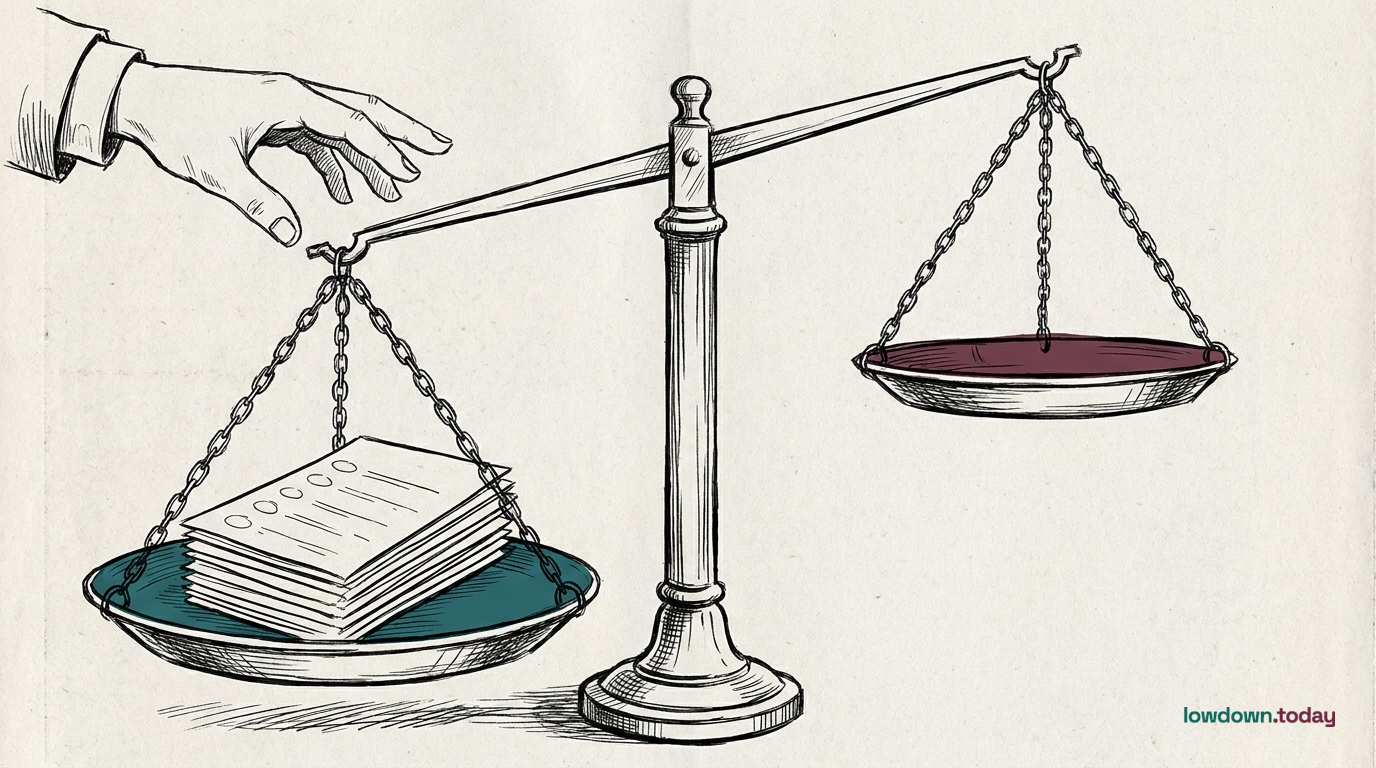
The suit seeks the paper trail behind the Justice Department's election monitors before voting ends.
Different Perspectives

University of Florida Election Lab
The lab, run by Michael McDonald, estimates about 124.3 million ballots, a raw midterm record, and turnout of about 49.4% of eligible voters, second to 2018's 50.05%. The raw record reflects population growth more than a record rate, so the late count is working through a near-2018 electorate.

Thune's critics on the right, including Senator Ron Johnson
Ron Johnson backed the failed 31-15 motion to delay Thune's re-election, after activists such as Mike Cernovich blamed the leader for the defeat. Their complaint is that Republicans could have passed the SAVE Act; in January it meets a Democratic Senate instead.

Senator John Thune
Thune was re-elected Senate Republican leader by acclamation on 10 November after a motion to delay failed 31-15. He kept the filibuster that stopped the SAVE Act, the choice his critics on the right blame for the defeat.
House Republicans under Jim Jordan
House Republicans elected Jordan minority leader by 106 votes to 73 over Steve Scalise on 10 November, after Speaker Mike Johnson declined to run. They replaced the leadership that lost the majority, while Senate Republicans kept theirs.
Donald Trump
Trump asked on Truth Social on 9 November whether anybody believed the election "was honest" and blamed the machines, having told The New York Times on polling night he would accept the results. No Republican campaign had sued over a 2026 result by 10 November, so the claim has no case behind it.

Judge David O. Carter
Carter closed the Justice Department's suit over about 20,000 California mail ballots on 10 November after the department withdrew it, writing that the suit "attempted to disrupt an ongoing election". The closure leaves the department with no court order touching a 2026 California ballot.
Written with AI from Lowdown's published reporting. Not individually reviewed by an editor. Editorial standards.