Skip to content
Welcome, thoughtbot's Giant Robots listeners!Start here
US Midterms 2026
24SEP

A third circuit takes the voter-file fight

2 min read
11:45UTC

Legal desk

PoliticsDeveloping
Key takeaway

Three circuits now hold live appeals, which is the department's only route to a precedent.

The Justice Department opened a civil appeal in the Second Circuit on 28 July, docketed as 26-2060, in United States v. Board of Elections of the State of New York. The electronic index was filed in lieu of the record that afternoon, and the district court decision under appeal is dated 10 July.

Counting dismissals has stopped being informative. What the docket adds is geography: the programme now has appeals live in three federal circuits at once, having already lost on the merits at panel level in the Sixth.

Appellate courts do not have to agree with one another, and that is the department's remaining route. A single circuit accepting that the government need not name its statutory authority would give the programme a precedent no district court has been willing to supply. Three simultaneous appeals mean three chances at it, and a split between circuits would put the question where the department has fared better.

Deep Analysis

In plain English

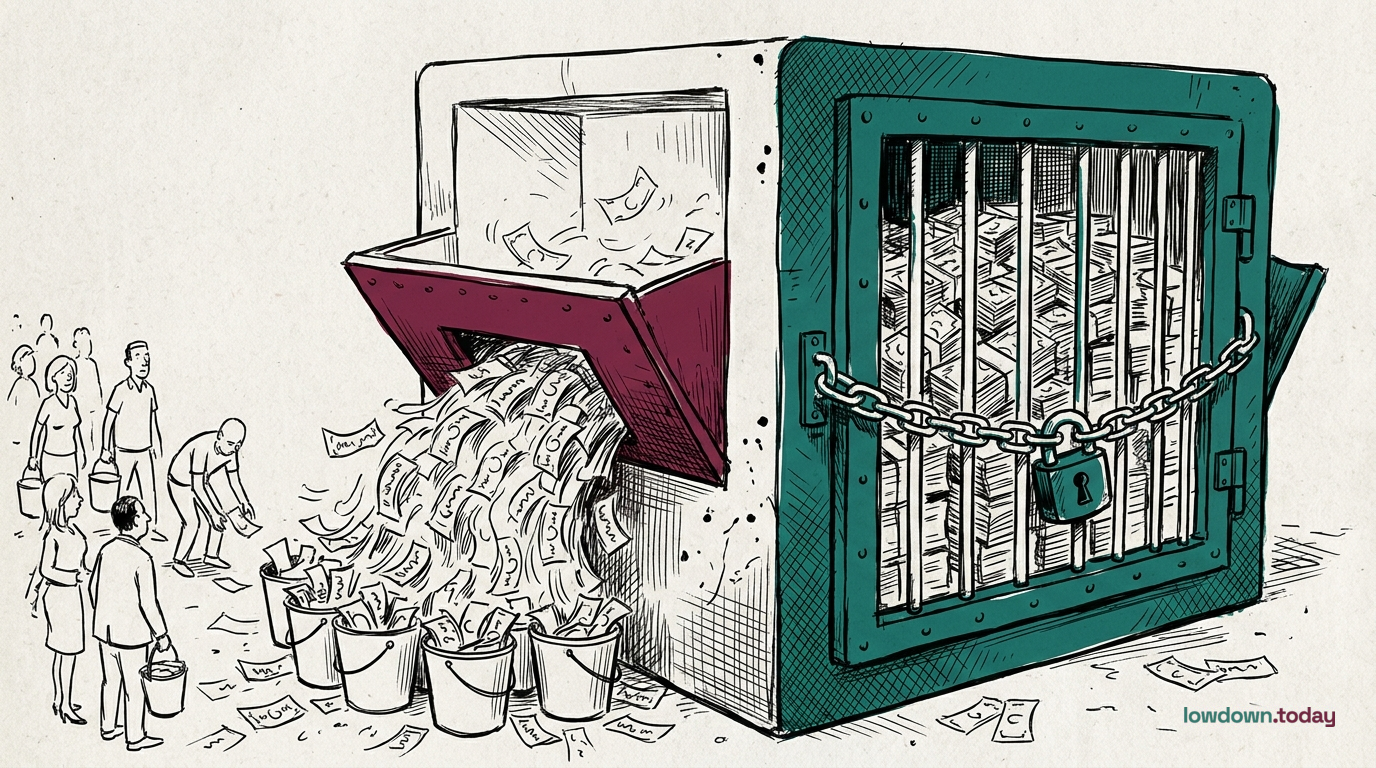
The federal government has asked states to hand over their complete voter registration lists, and has sued the ones that refused. District courts have thrown out those suits repeatedly, mostly because the government has not said which law gives it the right to demand the data. Losing in a district court is not final: the government can appeal to a regional appeals court, and it has now done so in three different regions.

What could happen next?
  • Precedent

    A single favourable circuit ruling would give the programme the statutory-authority precedent no district court has supplied.

  • Risk

    Adverse rulings in multiple circuits would foreclose the programme far more comprehensively than district court dismissals have.

First Reported In

Update #15 · Trump's pick is being outspent in a safe seat

South Carolina State Election Commission· 4 Aug 2026
Read original →
Different Perspectives
University of Florida Election Lab
The lab, run by Michael McDonald, estimates about 124.3 million ballots, a raw midterm record, and turnout of about 49.4% of eligible voters, second to 2018's 50.05%. The raw record reflects population growth more than a record rate, so the late count is working through a near-2018 electorate.
Thune's critics on the right, including Senator Ron Johnson
Ron Johnson backed the failed 31-15 motion to delay Thune's re-election, after activists such as Mike Cernovich blamed the leader for the defeat. Their complaint is that Republicans could have passed the SAVE Act; in January it meets a Democratic Senate instead.
Senator John Thune
Senator John Thune
Thune was re-elected Senate Republican leader by acclamation on 10 November after a motion to delay failed 31-15. He kept the filibuster that stopped the SAVE Act, the choice his critics on the right blame for the defeat.
House Republicans under Jim Jordan
House Republicans elected Jordan minority leader by 106 votes to 73 over Steve Scalise on 10 November, after Speaker Mike Johnson declined to run. They replaced the leadership that lost the majority, while Senate Republicans kept theirs.
Donald Trump
Donald Trump
Trump asked on Truth Social on 9 November whether anybody believed the election "was honest" and blamed the machines, having told The New York Times on polling night he would accept the results. No Republican campaign had sued over a 2026 result by 10 November, so the claim has no case behind it.
Judge David O. Carter
Carter closed the Justice Department's suit over about 20,000 California mail ballots on 10 November after the department withdrew it, writing that the suit "attempted to disrupt an ongoing election". The closure leaves the department with no court order touching a 2026 California ballot.

Written with AI from Lowdown's published reporting. Not individually reviewed by an editor. Editorial standards.
