Skip to content
Welcome, thoughtbot's Giant Robots listeners!Start here
US Midterms 2026
24SEP

$85m of Texas ads, no donor named

3 min read
11:45UTC

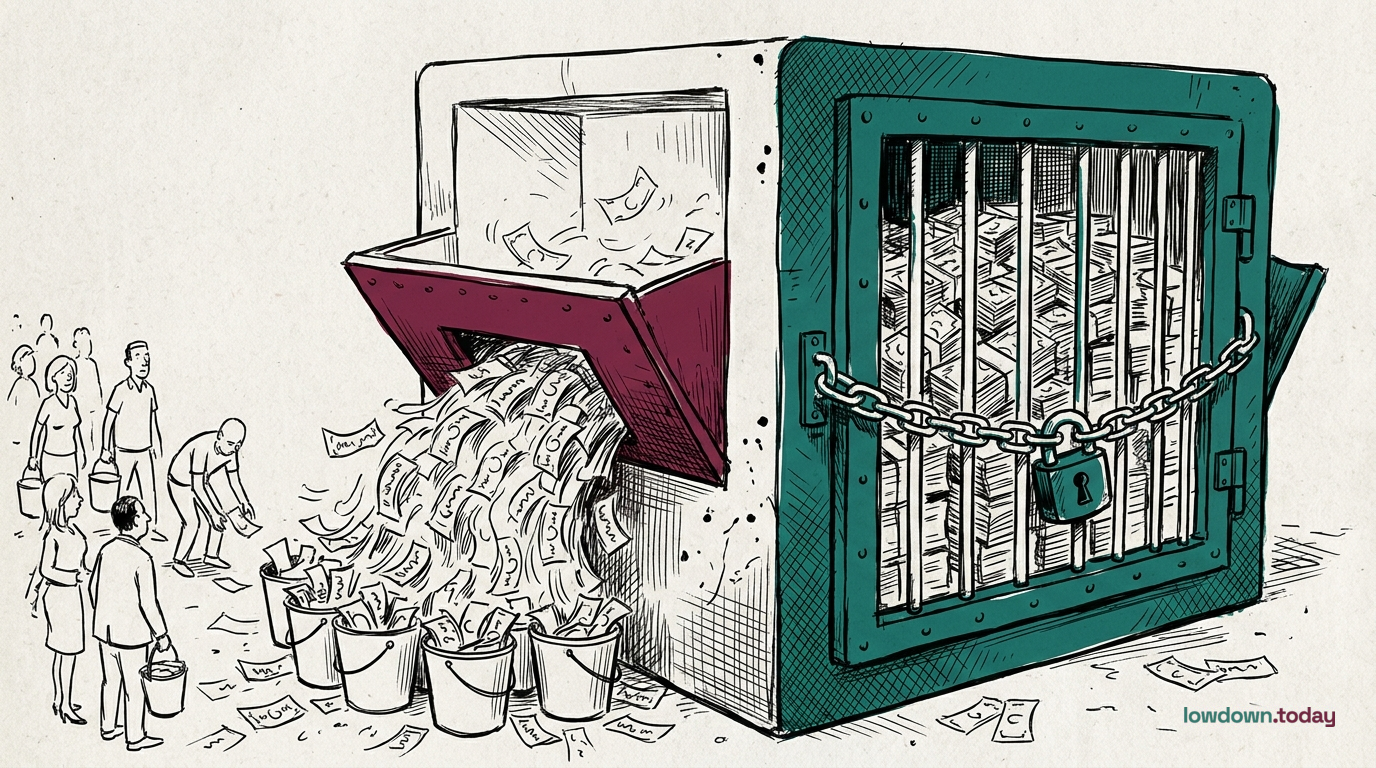
Two committees registered in the past three weeks have reported more than $85 million of advertising in the Texas Senate race, and neither has filed a document that names a single donor.

PoliticsDeveloping
Key takeaway

Two committees three weeks old have outspent every disclosed channel in Texas, with no donor on file.

Independent-expenditure filings at the Federal Election Commission (FEC) record $60.5 million spent on the Texas Senate race between 8 and 15 September⁠1. An independent expenditure is money spent for or against a candidate by a group that does not coordinate with them. TEXAS PAC accounts for most of the eight days: $31.8 million supporting Ken Paxton and $28.7 million attacking James Talarico. A committee confident of winning does not spend nearly half its money defending its own candidate, so TEXAS PAC is pricing this seat as competitive whatever the published ratings say.

TEXAS PAC registered with the FEC on 28 August and No Going Back PAC Inc. on 1 September. Between them they have reported over $85 million while filing only Statements of Organization and forty-eight-hour expenditure notices⁠2⁠3. Neither has filed a Form 3X, the periodic report that itemises receipts, and neither appears in the FEC's Schedule A receipts data. A forty-eight-hour notice discloses the buy and not the buyer, so a reader can audit the advertising and not the advertiser. A single outlet, political.org, reported on 11 September that the Senate Leadership Fund stood up TEXAS PAC⁠4. That report is uncorroborated, and the filings themselves name no affiliated organisation for either committee.

The candidates' own accounts point the other way. Through 30 June, the most recent complete filing period, Talarico had raised $68.56 million to Paxton's $9.25 million and held $21.55 million in cash against a $1.76 million reserve⁠5. Cook Political Report and Sabato's Crystal Ball both still rate the seat Leans Republican, one step short of a tossup, because they weigh Paxton's ideological position rather than his bank balance. TEXAS PAC spent more than six times Paxton's entire reported fundraising in eight days.

Republican committees already held the cash advantage at every tier in the spring, and coordinated party spending lost its caps in June. Those two channels have named contributors behind them. This third one does not, and its Form 3X falls due on 15 October, after several states begin receiving completed postal ballots. Federal law permits every part of that sequence, so the opacity here comes from a filing timetable rather than from concealment.

Deep Analysis

In plain English

Two political groups spent more than $85 million on ads for the Texas Senate race in about a week, but neither has told the public who paid for it. Federal rules let a group report only how much it spent and on what, without naming its donors, until a later filing deadline. That means voters can see the ads and the dollar figure well before they learn who is actually behind the money, if they learn at all before election day.

What could happen next?
  • Risk

    Absent a Schedule A filing naming donors, no reporting requirement will surface who funded the $85 million before Texans vote on 3 November.

First Reported In

Update #17 · Missouri's election chief held in contempt

Federal Election Commission· 15 Sept 2026
Read original →
Different Perspectives
University of Florida Election Lab
The lab, run by Michael McDonald, estimates about 124.3 million ballots, a raw midterm record, and turnout of about 49.4% of eligible voters, second to 2018's 50.05%. The raw record reflects population growth more than a record rate, so the late count is working through a near-2018 electorate.
Thune's critics on the right, including Senator Ron Johnson
Ron Johnson backed the failed 31-15 motion to delay Thune's re-election, after activists such as Mike Cernovich blamed the leader for the defeat. Their complaint is that Republicans could have passed the SAVE Act; in January it meets a Democratic Senate instead.
Senator John Thune
Senator John Thune
Thune was re-elected Senate Republican leader by acclamation on 10 November after a motion to delay failed 31-15. He kept the filibuster that stopped the SAVE Act, the choice his critics on the right blame for the defeat.
House Republicans under Jim Jordan
House Republicans elected Jordan minority leader by 106 votes to 73 over Steve Scalise on 10 November, after Speaker Mike Johnson declined to run. They replaced the leadership that lost the majority, while Senate Republicans kept theirs.
Donald Trump
Donald Trump
Trump asked on Truth Social on 9 November whether anybody believed the election "was honest" and blamed the machines, having told The New York Times on polling night he would accept the results. No Republican campaign had sued over a 2026 result by 10 November, so the claim has no case behind it.
Judge David O. Carter
Carter closed the Justice Department's suit over about 20,000 California mail ballots on 10 November after the department withdrew it, writing that the suit "attempted to disrupt an ongoing election". The closure leaves the department with no court order touching a 2026 California ballot.

Written with AI from Lowdown's published reporting. Not individually reviewed by an editor. Editorial standards.
