Skip to content
You can now search across every topic, entity and event.What's new
UK Local Elections 2026
6MAY

Burnham rules out a Scottish vote

1 min read
17:39UTC

Andy Burnham told Scottish Labour MPs he would refuse a Section 30 order for an independence referendum, offering more devolution instead and hardening Downing Street's line.

PoliticsDeveloping
Key takeaway

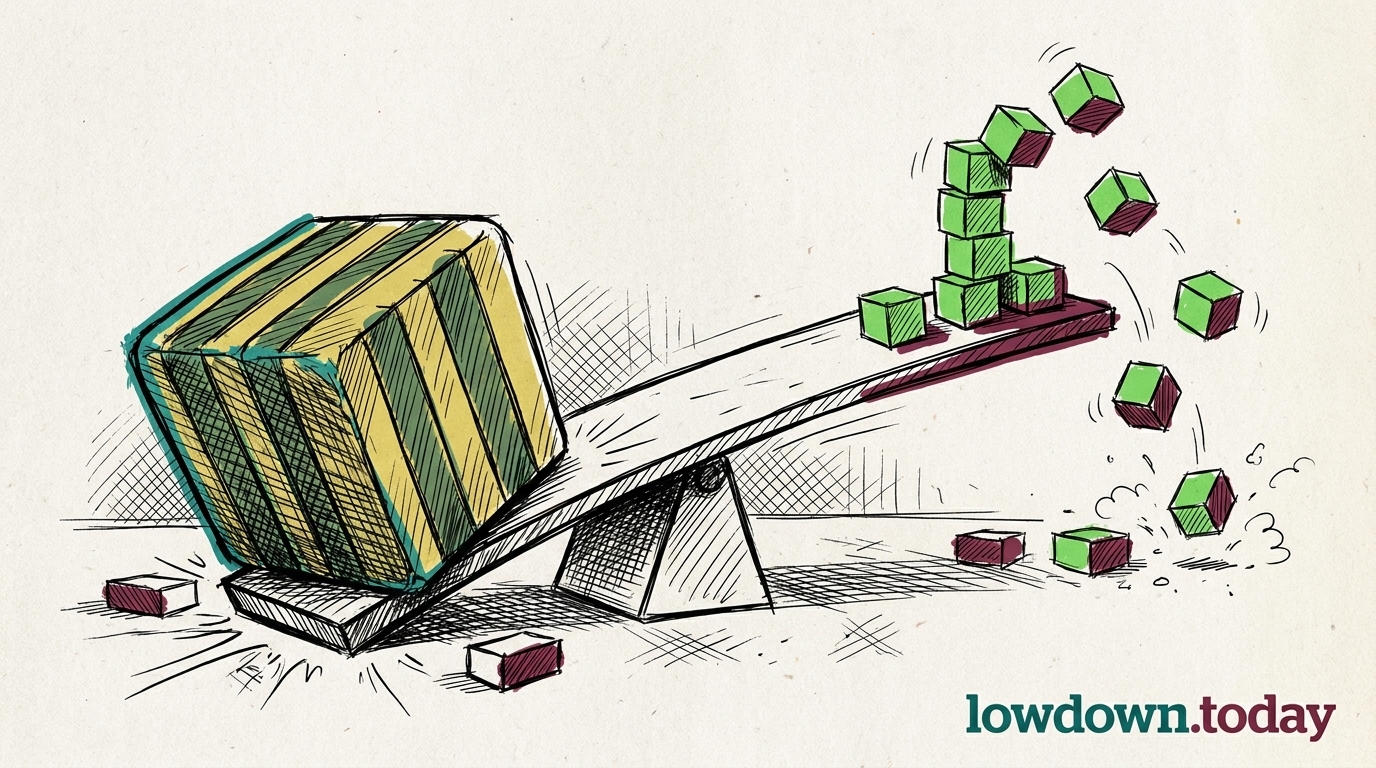
Burnham's refusal shuts the lawful referendum route before he has even taken office.

Andy Burnham used a 7 July meeting with Scottish Labour MPs to rule out granting a Section 30 order, the instrument Westminster must issue under the Scotland Act 1998 for a lawful independence referendum, offering enhanced devolution instead 1.

The stance hardens the line Downing Street took after Holyrood voted 72 to 55 for a Section 30 demand in May . Scotland's First Minister John Swinney had formally requested the order despite the Scottish National Party (SNP) finishing seven seats short of the 65-seat majority he had himself named as the trigger for a referendum.

Swinney has since recast the SNP-Green majority at Holyrood as the mandate, an argument he rejected before the election when it applied to the SNP alone. Burnham's refusal, arriving before he is even confirmed as Labour leader, signals that a change of prime minister will not change Westminster's answer. The SNP's referendum route now runs through a Commons majority it does not command.

Deep Analysis

In plain English

Scotland's devolved parliament, Holyrood, can pass many of its own laws, but a legally binding independence referendum needs Westminster's permission first, through something called a Section 30 order. John Swinney, Scotland's First Minister, has been asking for one since Holyrood voted for it in May. Andy Burnham, tipped to be the next Labour prime minister, told Scottish Labour MPs on 7 July that he will not grant it, offering more devolved powers instead. Because the UK's top court has already ruled Holyrood cannot hold a binding vote on its own, the decision rests entirely with Westminster, meaning Scotland's independence route stays closed unless a future UK government changes its mind.

Deep Analysis
Root Causes

The Scotland Act 1998 reserves constitutional matters, including the future of the union, to Westminster, so any Holyrood-organised independence referendum needs a Section 30 order to be legally binding rather than advisory.

Because the 2022 Supreme Court Reference confirmed Holyrood cannot hold a binding vote unilaterally, the decision sits entirely with whoever leads the UK government, meaning Burnham can refuse Swinney's request regardless of the size of the SNP-Green majority that voted for it in May.

What could happen next?
  • Consequence

    Refusing a Section 30 order leaves the SNP with no legal route to a binding referendum unless a future UK government reverses the position.

First Reported In

Update #11 · Farage to quit Clacton to force by-election

The Canary· 8 Jul 2026
Read original
Causes and effects
Different Perspectives
Ian Davidson, Acting Returning Officer for Clacton
Davidson's office printed a 90cm ballot paper for the record 34-candidate field, with nothing in electoral law capping candidate numbers or the £500 deposit each pays. He expects the paper's size to raise printing costs and slow the count into the early hours, a strain that follows from the major parties' boycott, not from turnout.
Scottish Labour members
Members now choose between Michael Marra and Joe Fagan after Monica Lennon fell one MP nomination short of the three-MP, three-MSP threshold, a bar set by MPs and union officials rather than the wider membership. Whoever wins takes office having faced only one rival on the members' ballot.
Labour Party
Labour Party
Labour gained Penistone East from Reform on 20 August but lost Harraby South to Reform the same night, a wash that undercuts any claim of momentum. The party can point to beating Reform in a genuinely fought contest, but not to a pattern running only in its favour.
Liberal Democrats
Liberal Democrats
The Liberal Democrats took two of Reform's May wards, Almondbury on 13 August and St Neots Eynesbury on 20 August, the latter on a 29.8-point rise in their own vote share. Both results let the party claim it is the beneficiary when voters turn against Reform, not Labour or the Conservatives.
Reform UK
Reform UK
Reform UK can point to winning Clacton unopposed by the other major parties and to taking Harraby South from Labour, a ward it had never previously contested. That gives the party two results to cite even as three previously held wards changed hands elsewhere in August.
Sinn Féin
Sinn Féin
Sinn Féin's John O'Dowd ruled out a Stormont walkout on 11 August despite calling the DUP increasingly difficult to work with, closing a question Conor Murphy had left open a fortnight earlier. Only Sinn Féin or the DUP can collapse the joint First Minister office, so the denial gives up the party's own leverage in budget talks.