Skip to content
Welcome, thoughtbot's Giant Robots listeners!Start here
UK Local Elections 2026
7OCT

Swinney bids for 2028 vote; Streeting refuses

3 min read
13:09UTC

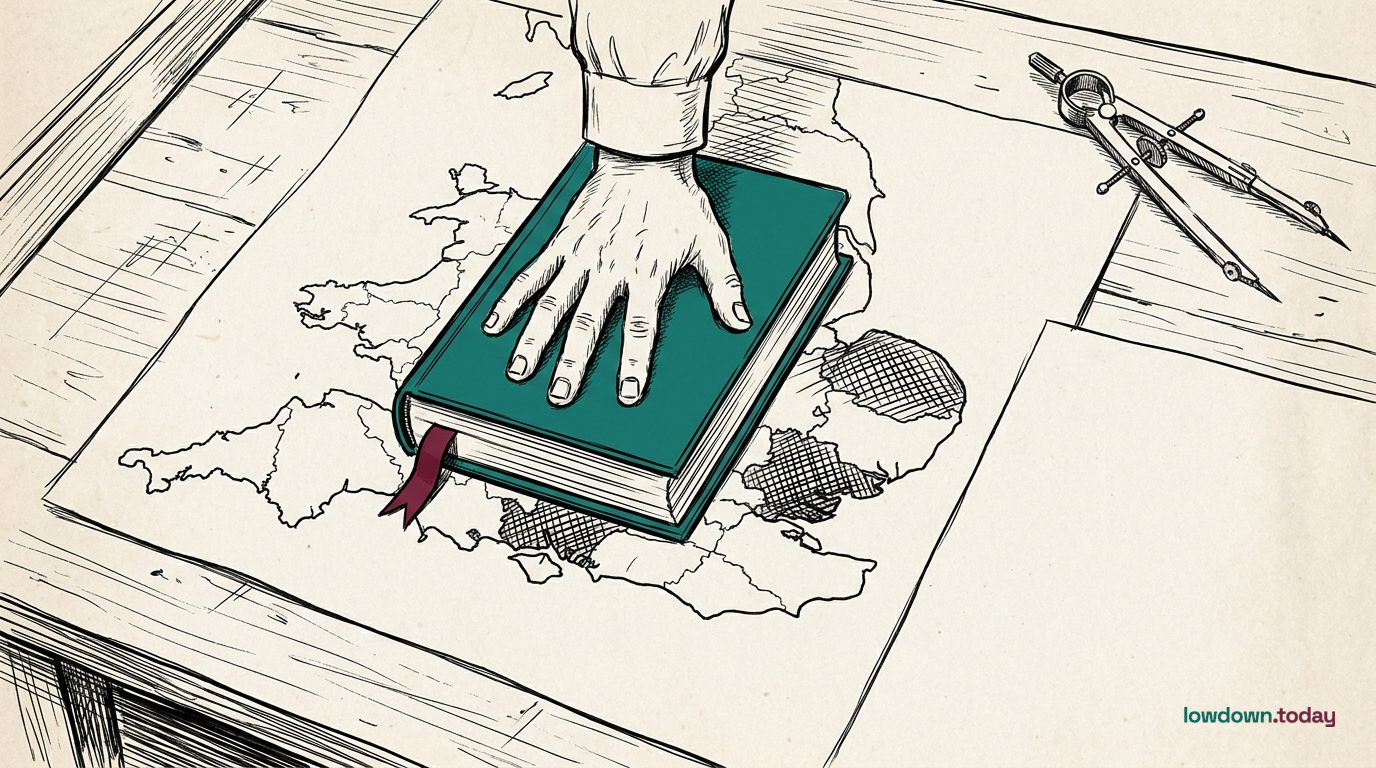
John Swinney launched the SNP manifesto in Glasgow on Thursday 16 April with a 2028 independence referendum as the lead constitutional commitment, conditional on 65 seats. Wes Streeting said Westminster would refuse a Section 30 order even if the SNP won a majority.

PoliticsDeveloping
Key takeaway

The SNP has staked its mandate on 65 seats; Westminster has staked its refusal on the answer regardless.

John Swinney launched the SNP's 2026 Holyrood manifesto, titled "Always on Scotland's Side", in Glasgow on Thursday 16 April. The lead constitutional commitment is a second independence referendum by 2028, conditional on the SNP winning 65 of 129 Holyrood seats. The same launch carried the maximum-price food-cap policy on six staples that the Institute for Fiscal Studies would dismiss five days later.

Wes Streeting, the UK Government's Health Secretary, responded the same day. The Labour Government would refuse a Section 30 order, the constitutional mechanism Westminster grants to authorise a Scottish referendum, even if the SNP won a majority. A UK Government source called the SNP food-cap policy "incoherent and undeliverable".

Swinney has framed his mandate around a single number: 65 SNP seats out of 129 forces the referendum question. With the Institute for Fiscal Studies having already dismissed the Scottish Conservatives, Reform UK and Scottish Labour on fiscal credibility, and on the verge of dismissing the SNP itself, independence sits outside the IFS's terms of reference entirely. Swinney's bet is that a numeric majority forces the constitutional question back into the arena even when Westminster has pre-emptively refused. Three Holyrood projection models disagree by 11 seats on whether 65 is reachable. Voters in 73 Scottish constituency seats and 56 regional list seats are deciding which model the actual vote will track.

Deep Analysis

In plain English

The SNP (Scottish National Party) wants Scotland to become an independent country. To hold a legally binding referendum on independence, the Scottish Parliament needs permission from the UK Government, through a mechanism called a Section 30 order. John Swinney, the SNP leader and Scotland's First Minister, launched his party's manifesto for the 7 May Scottish Parliament election on 16 April. The lead commitment was a new independence referendum in 2028, but only if the SNP wins 65 seats , enough for a majority in the 129-seat Parliament. Wes Streeting, a UK Government minister (the Health Secretary), immediately said the UK Government would refuse to grant a Section 30 order, even if the SNP wins a majority. That would make any referendum the SNP tried to hold without Westminster's agreement legally invalid and unrecognised. Polling models (YouGov's MRP, fieldwork March-April) project the SNP at 67 seats, two above the majority threshold. But even if those projections are right, the result would be a political standoff rather than a referendum.

Deep Analysis
Root Causes

The Scotland Act 1998 reserves constitutional questions, including referendums on the union, to Westminster under Schedule 5. The 2014 Edinburgh Agreement was a voluntary political concession, not an exercise of a standing legal right. The SNP has not sought to legislate a referendum without Westminster consent since the Supreme Court's 2022 ruling confirmed that Holyrood cannot authorise a binding independence referendum unilaterally.

The result is a constitutional structure in which an SNP majority produces a mandate claim without a legal delivery mechanism. Streeting's pre-emptive 16 April refusal reflects Labour's calculation that conceding a Section 30 debate costs more votes in England than it gains in Scotland, and that the political penalty for Scotland-side denial is primarily paid by the Scottish Labour branch, whose projected 17 Holyrood seats make it the prospective official opposition rather than a kingmaker.

What could happen next?
  • Consequence

    An SNP majority on 7 May would produce a constitutional standoff rather than a referendum pathway, with no legal mechanism available to Holyrood without Westminster consent.

  • Risk

    The unconditional Section 30 refusal removes the independence question as a near-term electoral differentiator, shifting Scottish campaign focus to public service delivery , where the IFS has simultaneously ruled the SNP's plans unaffordable.

First Reported In

Update #5 · 11 Days to Go: Six-of-six, RPA misses wash-up, Welsh lead flips

Institute for Fiscal Studies· 26 Apr 2026
Read original →
Different Perspectives
Lancashire County Council
Lancashire filed in the Administrative Court before the 16 October limit, and its full council called for a legally binding referendum before any reorganisation. Ministers withdrew the Lancashire decision on 29 October, so the Reform-run county council keeps its current structure for now.
Kent County Council
Kent County Council
Kent announced judicial review proceedings before the 16 October limit against splitting Kent and Medway into four unitary councils. Ministers withdrew the Kent and Medway decision on 29 October, so the Reform-run county council keeps its current structure for now.
Conservative Party / Donald Walmsley
Walmsley, an East Sussex county councillor, left Reform UK in November and joined the Conservatives, citing ITV's undercover footage of Reform councillors and the leadership's response. His move came as the Conservatives gained four council seats from 22 October to 12 November and lost none.
UK Government / Jim McMahon (MHCLG) and Lord Wilson of Sedgefield
MHCLG said on 29 October it is "minded to" create unitary councils in five English areas from 2029, and McMahon argues no area will want two tiers back once they exist. In the Lords on 2 November, Lord Wilson refused to put a deadline for automatic registration into the Representation of the People Bill.
Huw Irranca-Davies, Llywydd of the Senedd
Irranca-Davies ruled on 10 November that Joe Martin's request for a statement on the "demographic replacement of white British people" was discriminatory and offensive. Martin will not be called to speak until he apologises to the chamber, and Reform's free-speech motion of 18 November cannot overturn the ruling.
Reform UK / Nigel Farage and Helen Jenner
Reform's 33 Members of the Senedd left their benches empty at Plenary on 17 November over the Llywydd's ruling on Joe Martin, which Farage called "ridiculous and outrageous". Welsh leader Helen Jenner says meaningful debate and scrutiny cannot happen until the Presiding Officer reverses his decision.

Written with AI from Lowdown's published reporting. Not individually reviewed by an editor. Editorial standards.