Skip to content
Welcome, thoughtbot's Giant Robots listeners!Start here
UK Local Elections 2026
7OCT

Burnham rules out a Scottish vote

1 min read
13:09UTC

Andy Burnham told Scottish Labour MPs he would refuse a Section 30 order for an independence referendum, offering more devolution instead and hardening Downing Street's line.

PoliticsDeveloping
Key takeaway

Burnham's refusal shuts the lawful referendum route before he has even taken office.

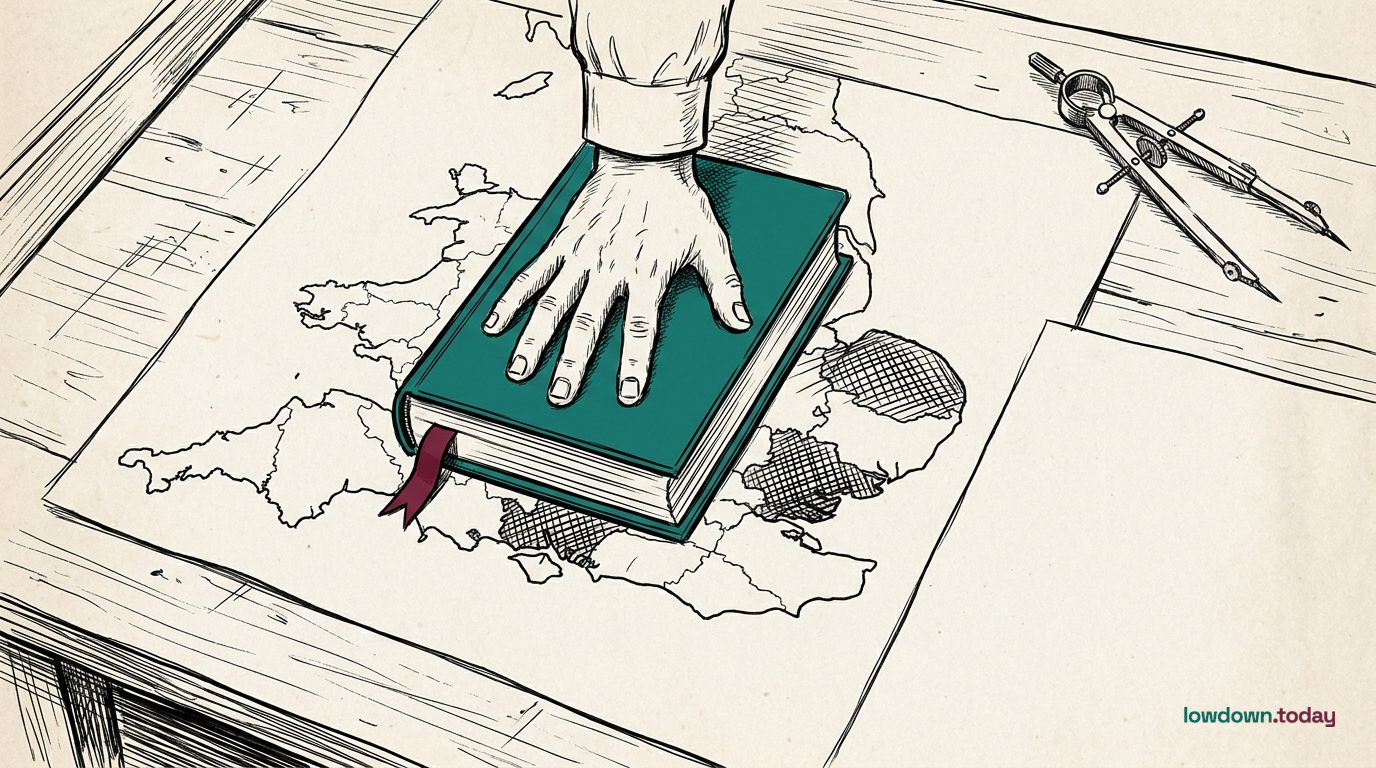
Andy Burnham used a 7 July meeting with Scottish Labour MPs to rule out granting a Section 30 order, the instrument Westminster must issue under the Scotland Act 1998 for a lawful independence referendum, offering enhanced devolution instead⁠1.

The stance hardens the line Downing Street took after Holyrood voted 72 to 55 for a Section 30 demand in May. Scotland's First Minister John Swinney had formally requested the order despite the Scottish National Party (SNP) finishing seven seats short of the 65-seat majority he had himself named as the trigger for a referendum.

Swinney has since recast the SNP-Green majority at Holyrood as the mandate, an argument he rejected before the election when it applied to the SNP alone. Burnham's refusal, arriving before he is even confirmed as Labour leader, signals that a change of prime minister will not change Westminster's answer. The SNP's referendum route now runs through a Commons majority it does not command.

Deep Analysis

In plain English

Scotland's devolved Parliament, Holyrood, can pass many of its own laws, but a legally binding independence referendum needs Westminster's permission first, through something called a Section 30 order. John Swinney, Scotland's First Minister, has been asking for one since Holyrood voted for it in May. Andy Burnham, tipped to be the next Labour prime minister, told Scottish Labour MPs on 7 July that he will not grant it, offering more devolved powers instead. Because the UK's top court has already ruled Holyrood cannot hold a binding vote on its own, the decision rests entirely with Westminster, meaning Scotland's independence route stays closed unless a future UK government changes its mind.

Deep Analysis
Root Causes

The Scotland Act 1998 reserves constitutional matters, including the future of the union, to Westminster, so any Holyrood-organised independence referendum needs a Section 30 order to be legally binding rather than advisory.

Because the 2022 Supreme Court Reference confirmed Holyrood cannot hold a binding vote unilaterally, the decision sits entirely with whoever leads the UK government, meaning Burnham can refuse Swinney's request regardless of the size of the SNP-Green majority that voted for it in May.

What could happen next?
  • Consequence

    Refusing a Section 30 order leaves the SNP with no legal route to a binding referendum unless a future UK government reverses the position.

First Reported In

Update #11 · Farage to quit Clacton to force by-election

The Canary· 8 Jul 2026
Read original →
Different Perspectives
Lancashire County Council
Lancashire filed in the Administrative Court before the 16 October limit, and its full council called for a legally binding referendum before any reorganisation. Ministers withdrew the Lancashire decision on 29 October, so the Reform-run county council keeps its current structure for now.
Kent County Council
Kent County Council
Kent announced judicial review proceedings before the 16 October limit against splitting Kent and Medway into four unitary councils. Ministers withdrew the Kent and Medway decision on 29 October, so the Reform-run county council keeps its current structure for now.
Conservative Party / Donald Walmsley
Walmsley, an East Sussex county councillor, left Reform UK in November and joined the Conservatives, citing ITV's undercover footage of Reform councillors and the leadership's response. His move came as the Conservatives gained four council seats from 22 October to 12 November and lost none.
UK Government / Jim McMahon (MHCLG) and Lord Wilson of Sedgefield
MHCLG said on 29 October it is "minded to" create unitary councils in five English areas from 2029, and McMahon argues no area will want two tiers back once they exist. In the Lords on 2 November, Lord Wilson refused to put a deadline for automatic registration into the Representation of the People Bill.
Huw Irranca-Davies, Llywydd of the Senedd
Irranca-Davies ruled on 10 November that Joe Martin's request for a statement on the "demographic replacement of white British people" was discriminatory and offensive. Martin will not be called to speak until he apologises to the chamber, and Reform's free-speech motion of 18 November cannot overturn the ruling.
Reform UK / Nigel Farage and Helen Jenner
Reform's 33 Members of the Senedd left their benches empty at Plenary on 17 November over the Llywydd's ruling on Joe Martin, which Farage called "ridiculous and outrageous". Welsh leader Helen Jenner says meaningful debate and scrutiny cannot happen until the Presiding Officer reverses his decision.

Written with AI from Lowdown's published reporting. Not individually reviewed by an editor. Editorial standards.