Skip to content
Welcome, thoughtbot's Giant Robots listeners!Start here
Russia-Ukraine War 2026
5MAR

Hungary halts gas exports to Ukraine

2 min read
04:57UTC

Budapest began cutting reverse gas supplies amid the Druzhba dispute, adding energy coercion to its continued blockade of the €90 billion EU loan.

ConflictDeveloping
Key takeaway

Hungary combined loan blockade, gas cutoff, and EU obstruction into three-track pressure on Ukraine.

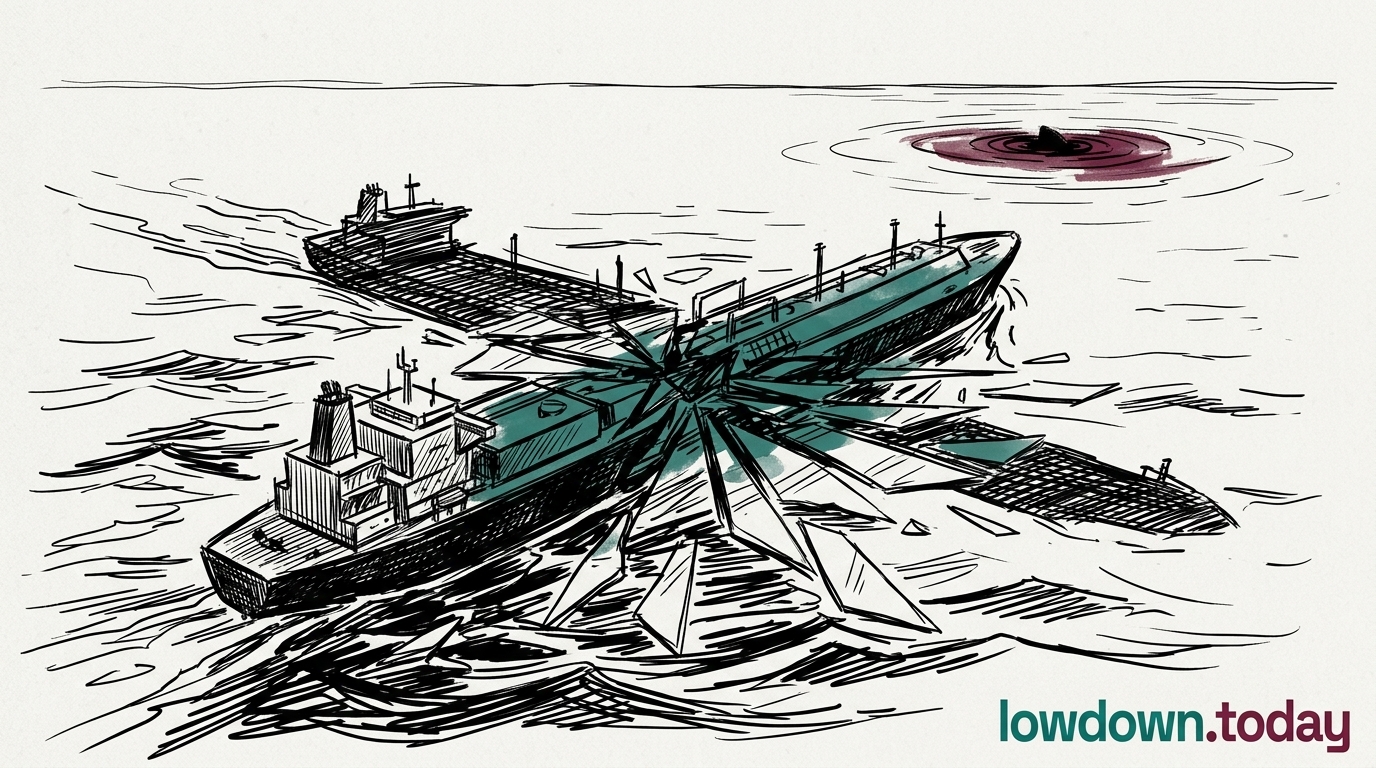
Hungary began halting reverse gas exports to Ukraine on 25 March amid the ongoing Druzhba pipeline dispute⁠1. EU experts remain in Kyiv to inspect the damaged pipeline, but Ukraine has not granted access to the affected section.

The gas cutoff follows Fico's declaration of an oil supply emergency in Slovakia, where the Druzhba shutdown threatens refinery operations. Both Hungary and Slovakia depend on Russian crude delivered through the pipeline, which was damaged by Russian strikes in January 2026. Budapest blames Kyiv for the shutdown; Ukraine and EU assessments attribute the damage to Russian military action.

Hungary's punitive measures now span three domains. It continues blocking the €90 billion EU loan, despite nominally having dropped its objection. The SAFE freeze announced the same day (25 March) was the EU's response. And the gas export halt adds direct energy pressure on Ukraine, which relies on reverse flows from Central European neighbours to supplement its own supply.

The 25 April deadline for the EU's phased Russian gas ban looms. For Hungarian and Slovak consumers, that deadline translates to higher heating costs unless alternative supply routes open. Hungary's energy dependence on Russia gives it disruptive power within the EU, but the SAFE freeze demonstrates the bloc is willing to retaliate with financial consequences.

Deep Analysis

In plain English

Ukraine gets some of its gas through a process called 'reverse flow': neighbouring countries buy gas from Western Europe and pipe it back east to Ukraine. Hungary has started blocking this supply. Separately, there is a Soviet-era oil pipeline called Druzhba that used to carry Russian oil through Ukraine to Hungary and Slovakia. It was damaged (Ukraine says by Russian drones; Hungary disputes this) and Hungary wants Ukraine to fix it. Hungary is using both energy levers — the gas flow and the pipeline dispute — as pressure on Ukraine while also blocking a €90 billion EU loan.

First Reported In

Update #8 · Pentagon diverts funds; 948 drones fired

Euronews· 27 Mar 2026
Read original →
Different Perspectives
South Korean foreign ministry
Seoul said on 20 October it will withdraw some Kyiv embassy staff, citing no constructive steps from Kyiv since it recalled its ambassador over the disclosure of two North Korean prisoners. A chargé d'affaires and consular staff stay, and Seoul says its aid continues.
Alexander Lukashenko
Lukashenko said on 22 October that talks with the US show progress despite problems, which he said were highlighted with the exchange of political prisoners for the lifting of sanctions. He said Minsk keeps its promises and wants the US to deliver its side in full.
Moldovan government (Daniella Misail-Nichitin)
Moldova has pulled its border guards and customs officers from four crossings on Ukrainian soil after Russian strikes near the border. Interior Minister Daniella Misail-Nichitin said Chisinau is weighing moving Ukrainian checkpoints onto Moldovan territory.
Péter Magyar
Péter Magyar
Magyar told RTL that Ukrainian maize may cross Hungary in sealed trains bound for Western Europe. He set one condition: the cargo must only transit the country.
Donald Tusk
Donald Tusk
Tusk said Warsaw would seek an explanation from Kyiv for the drone's route across Poland. He said Poland allows no operations over its territory without its explicit consent.
Mindaugas Sinkevičius
Lithuania's prime minister said the Ukrainian drone that exploded in Pasvalys district on 18 October carried explosives and entered from Poland through the Schengen zone. Earlier drones over Lithuania had come from Belarus, not through allied airspace.

Written with AI from Lowdown's published reporting. Not individually reviewed by an editor. Editorial standards.