Skip to content
You can now search across every topic, entity and event.What's new
Russia-Ukraine War 2026
24APR

Iran claims $12bn; US calls it spin

3 min read
11:21UTC

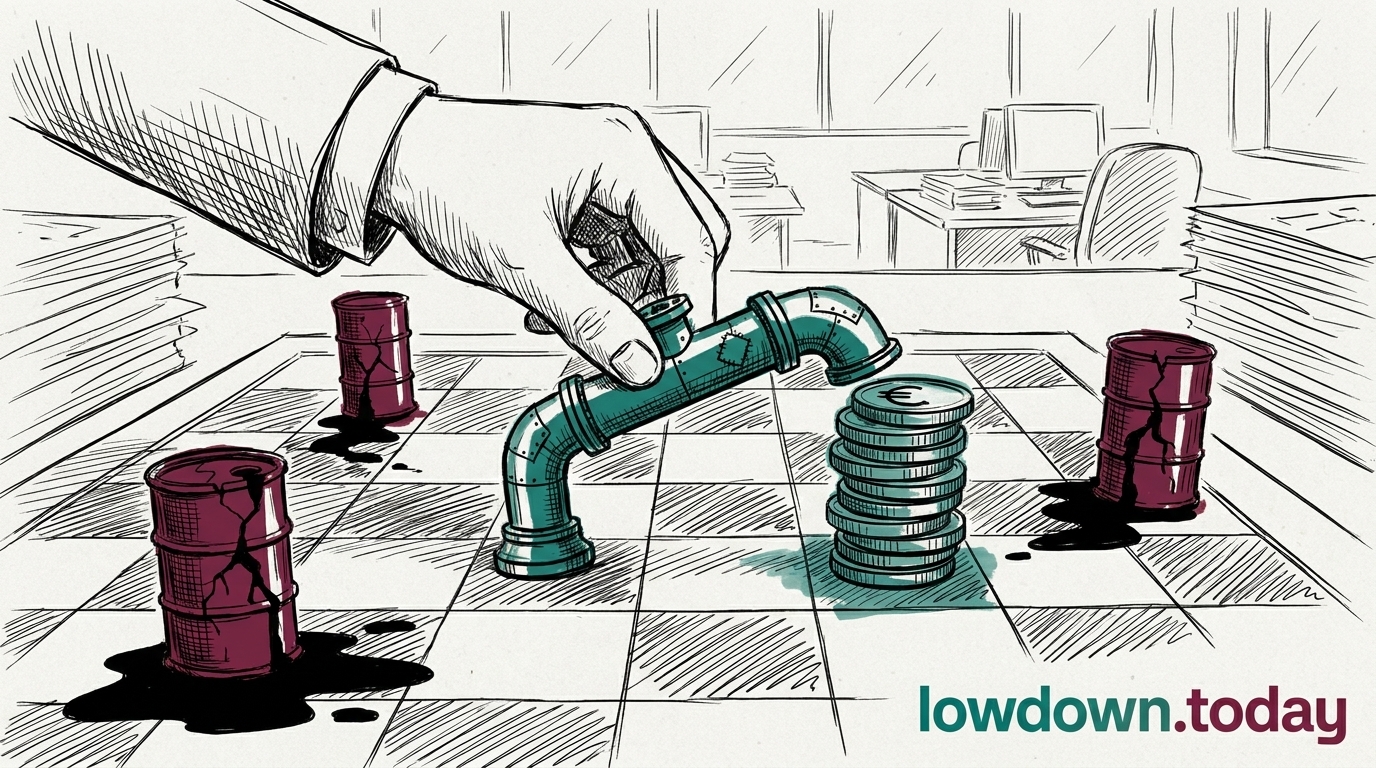
Iran said it had agreed to release $12 billion in frozen funds in two tranches from Qatar and Iraq; a senior US official called the characterisation spin and said no money moves without Iranian compliance.

ConflictDeveloping
Key takeaway

Iran says $12bn is being freed; the US says nothing moves without compliance, and no funds have cleared.

Iran announced on 23 June that it had reached agreement to release $12 billion in frozen funds, in two tranches of $6 billion drawn from accounts in Qatar and Iraq, advancing Ghalibaf's confirmation a day earlier 1. These are Iranian oil revenues held abroad under US sanctions for years, the kind of money that has repeatedly been promised and repeatedly stayed locked.

The two governments described two different things. A senior US official called Iran's account "spin" and said no money would move "without the Iranians implementing their commitments", a pay-for-performance condition that turns the funds into leverage rather than relief 2. Iran's UN ambassador Ali Bahreini rejected any condition outright: "Iran is the only country who will decide what to do with its assets" 3. Trump said the unfrozen money should go to "our farmers".

The structure undercuts Iran's claim of unconditional access. The $6 billion Qatar tranche mirrors the Doha escrow built for the September 2023 prisoner swap, where funds sat under restricted-use rules and were effectively refrozen within weeks. Not a dollar has cleared, and the only signed money instrument behind any of it is General License X, executed by Treasury Secretary Bessent on 22 June .


Deep Analysis

In plain English

Iran says it has reached a deal to access $12 billion of its own money that has been frozen in overseas bank accounts for years; $6 billion in Qatar and $6 billion in Iraq. This money came from oil sales that were blocked under US sanctions. The US responded by calling Iran's description 'spin', saying not a dollar would move until Iran actually delivered on its commitments. The core disagreement is about sequencing: Iran says it should get the money first, unconditionally. The US says Iran must act first; on things like nuclear inspections and other obligations from the ceasefire deal; before any funds are released. Until one side changes position, the money stays frozen. Not a single dollar has cleared as of 24 June.

First Reported In

Update #137 · Iran and Oman claim the strait; US says no

CBS News· 24 Jun 2026
Read original
Different Perspectives
Turkey
Turkey
Turkey, a major buyer of Russian diesel cargoes, loses that access under Moscow's first producer-binding export ban, in force from 8 July to 31 July. Ankara hosted the same week's NATO summit pledging EUR 70bn to Ukraine, sitting on both sides of the fuel-and-alliance ledger.
NATO
NATO
NATO leaders meeting in Ankara on 7 and 8 July pledged EUR 70bn in equipment, assistance and training for Ukraine across 2026, with a 2027 sustainment commitment and a $40bn Drone Edge counter-drone initiative. European allies now fund the vast majority of that package, filling the gap left by Washington's idled crude waiver.
India
India
India's state refiners continued buying discounted Urals crude as June's price fell to $63.18 a barrel, insulating New Delhi from the OFAC waiver gap still constraining Western buyers. Indian refiners could pick up diesel-export share as Russia's producer-binding ban shuts out its former customers.
China
China
China's independent refiners kept importing discounted Urals crude through June as the price fell to $63.18 a barrel, down 26% month-on-month per CREA. Beijing has said nothing on Moscow's new diesel ban, leaving Chinese refiners a likely beneficiary if Turkish and Brazilian buyers seek replacement cargoes.
United States
United States
No successor licence has been issued since General License 134C lapsed on 17 June, leaving a 26-day gap, the longest of the war, in the Russian crude waiver. Washington's silence is tightening the channel without any stated decision, as Treasury weighs whether to let it die.
Ukraine
Ukraine
Ukraine's long-range strike campaign shifted from refineries to seaborne fuel tankers crossing the Sea of Azov, cutting tracked vessel traffic 55% between 30 June and 11 July, per Starboard Maritime Intelligence. The shift targets Russia's export revenue directly rather than just domestic supply, adding pressure alongside the collapsing Urals price.



