Skip to content
Welcome, thoughtbot's Giant Robots listeners!Start here
Pandemics and Biosecurity
3OCT

Cholera killed 7,870 in 2025, WHO says

2 min read
13:42UTC

WHO's annual report counts 7,870 cholera deaths reported by 47 countries in 2025, the most since 1999, even as vaccine output rose to 80 million doses a year.

ScienceDeveloping
Key takeaway

Cholera deaths hit a 26-year high in 2025 despite far more vaccine.

The World Health Organization (WHO) recorded 451,499 Cholera cases and 7,870 deaths reported by 47 countries in 2025, in its annual report released on 29 September⁠1. No year since 1999 has produced more Cholera deaths reported to WHO. Cholera is a waterborne diarrhoeal disease that kills through dehydration, and most patients survive if they get oral rehydration salts in time.

Oral Cholera vaccine output rose from about 30 million to 80 million doses a year, so deaths climbed even as supply grew. Vaccines buy protection in an outbreak zone; deaths track how quickly the sick reach treatment. WHO's regional record for June showed the same split, with Sudan losing four times as many patients as Afghanistan on a far smaller case count.


Deep Analysis

In plain English

People catch Cholera, a bacterial infection, from dirty water or food. It causes severe diarrhoea and can kill within hours through dehydration, but it is easy to treat with clean fluids if people reach help in time. In 2025, more people died of Cholera than in any year reported to WHO since 1999. Most deaths were in countries at war or in crisis, such as Sudan and Yemen. The world now makes far more Cholera vaccine than a few years ago. But most doses are used after outbreaks start, and without clean water and nearby clinics, people keep dying.

Deep Analysis
Root Causes

Cholera spreads through water and food contaminated with sewage, so it tracks war, displacement and flooding. Sudan's civil war, Yemen's long conflict and eastern DR Congo's fighting all damage water systems and push people into crowded camps.

Deaths rise when people cannot reach treatment. Cholera kills through dehydration, which oral rehydration salts can usually reverse within hours, so a high case-fatality ratio signals distance from care rather than a deadlier strain.

In the African Region, cases rose 34% but deaths 58%, so each case became more likely to kill, the pattern expected when outbreaks reach areas with weak clinics.

What could happen next?
  • Consequence

    WHO and Gavi are likely to push more of the larger vaccine supply into preventive campaigns before outbreak seasons.

  • Risk

    With Sudan, Yemen and DR Congo still in conflict, 2026 deaths may stay at or near 2025's level.

First Reported In

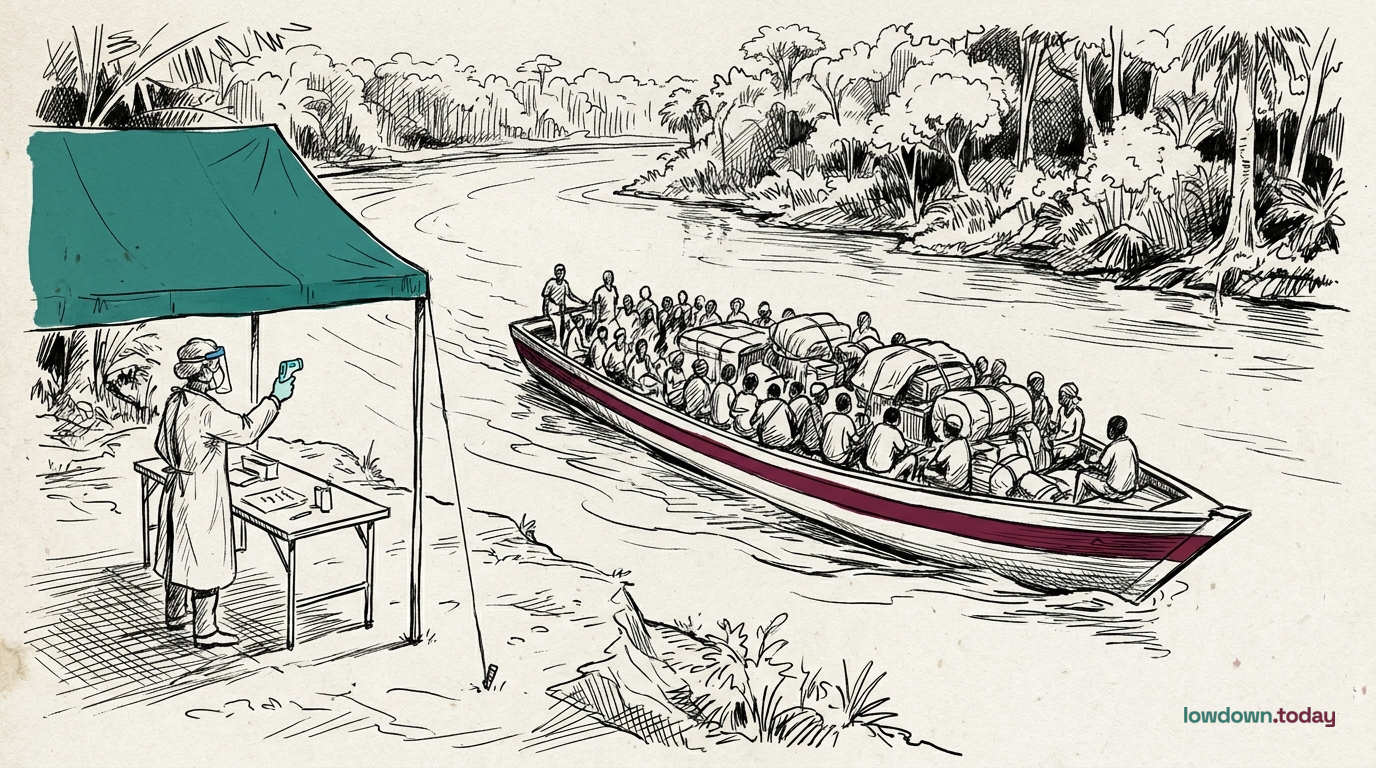
Update #14 · River boat carries Ebola 1,000 km downriver

World Health Organization· 3 Oct 2026
Read original →
Different Perspectives
France's health authorities
France notified WHO on 20 October of the first documented human Shamonda infection, a man in rural eastern France who died of encephalitis. WHO says the risk cannot yet be reliably assessed and is investigating whether infected cattle shed the virus in milk.
Christine Middlemiss, UK Chief Veterinary Officer
Middlemiss ordered birds in England indoors from 13 November for keepers of 50 or more and anyone who sells or gives away eggs or birds. She cited a rising run of bird flu confirmations in kept birds as the reason.
Qatar's health authorities
Qatar notified WHO on 29 October of two MERS cases in camel workers, confirmed in August, and tested all 99 contacts, 84 of them health and care workers, with every result negative. They are the country's first cases since 2022.
Pakistan's polio eradication programme
The programme says the virus in its three cases from Khyber District is genetically linked to strains circulating in Afghanistan. WHO's Emergency Committee still names southern Khyber Pakhtunkhwa and Karachi as critical areas, and Pakistan's sewage tested positive 128 times this year.
ECDC
ECDC
ECDC counted 11,376 confirmed Bundibugyo cases in DR Congo to mid-November and reported that Kenya's and Nigeria's contacts all finished monitoring on 11 November. It rates the risk to people living in Europe as very low, even with a British health worker flown to London for treatment.
Africa CDC (Jean Kaseya, director-general)
Kaseya told Reuters on 15 November that DR Congo's outbreak is still not under control and that US$1.3bn of US$2.9bn pledged has been released. He called the coordination problems between donors and DR Congo a collective failure, as unpaid health workers wait for a digitised payroll.

Written with AI from Lowdown's published reporting. Not individually reviewed by an editor. Editorial standards.