Skip to content
You can now search across every topic, entity and event.What's new
Iran Conflict 2026
22APR

Ukraine cuts into Crimea's supply spine

2 min read
10:22UTC

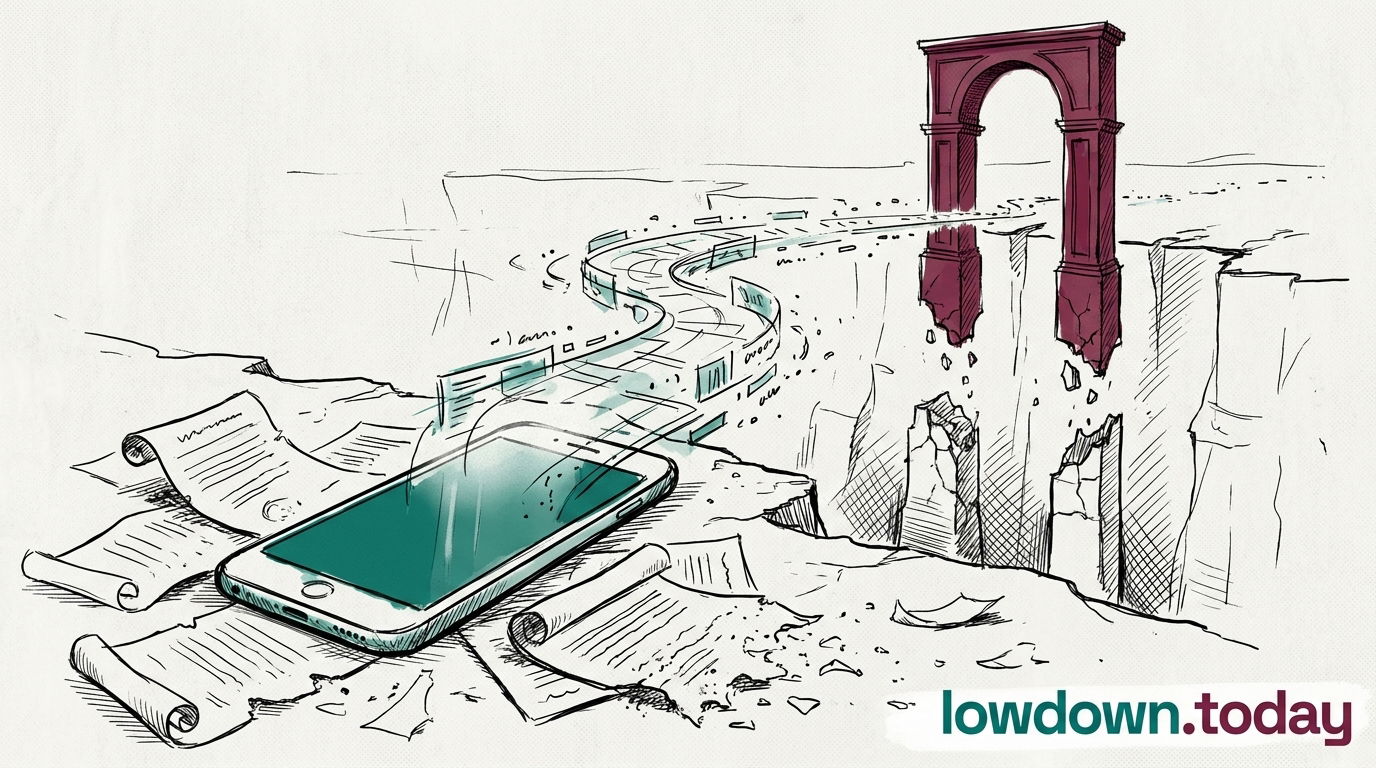
Ukraine's Code 9.2 drone unit struck the Chonhar Bridge on 7 June as occupied Crimea cut petrol rationing to 20 litres per vehicle a week.

ConflictDeveloping
Key takeaway

Ukraine struck the Chonhar Bridge as Crimea cut petrol rationing to 20 litres a vehicle per week.

Occupied Crimea is now rationing petrol at 20 litres per vehicle a week, down from 20 litres a day, and the QR codes needed to buy it sold out within two hours on 7 June 1. ISW reports shortages of buckwheat, sugar, rice and flour spreading across the peninsula alongside the rationing. For ordinary drivers that means queuing for a code that buys barely a week's commuting.

On 7 June, Ukraine's Code 9.2 drone unit struck the Chonhar Bridge, one of the road links from mainland Russia into Crimea, forcing traffic to reroute via Armyansk and adding roughly 130km to supply runs 2. A day earlier, ISW assessed Ukraine had achieved drone fire control over the T-22-09 land corridor, the route Russia opened in 2022 to bypass the Kerch bridge.

Russia can still resupply Crimea, yet the Kerch bridge, the T-22-09 corridor and now the Chonhar Bridge are each contested or lengthened. The squeeze is the same logic as Ukraine's strike on the Baltic Fleet and its run of net territorial gains since the spring : interdict the rear rather than batter a static front, and let the cost surface as queues and rationing far from the line of contact.

Deep Analysis

In plain English

Crimea is the Ukrainian peninsula Russia seized in 2014. Russia supplies it primarily by road across two bridges: the famous Kerch Bridge (which connects Crimea to mainland Russia across the Black Sea) and the smaller Chonhar Bridge (which connects Crimea to the Ukrainian mainland Russia now controls further north). Ukraine has repeatedly struck the Kerch Bridge in prior years. Striking the Chonhar Bridge now forces Russian supply convoys to take a much longer route via Armyansk in northern Crimea, adding roughly 130 kilometres of extra driving. Combined with the petrol ration being cut to 20 litres a week per vehicle (a seventh of what it was), civilian and military life on the peninsula is under severe supply pressure. The QR codes needed to buy fuel were selling out within two hours of release on 7 June.

Deep Analysis
Root Causes

Russia's Crimea logistics are structurally vulnerable because the peninsula has only two road corridors to the mainland controlled territory: Chonhar and Armyansk. The T-22-09 corridor was Russia's post-2022 bypass route after earlier Kerch Bridge damage.

Ukraine's drone reach now covers both routes simultaneously, a capability Ukraine did not have in 2022-23 when it relied on naval drones and cruise missiles. The 20-litres-per-week petrol ration is the downstream consequence of months of cumulative strike pressure on Crimea's supply chain.

What could happen next?
  • Consequence

    Russian military logistics to Crimea are degraded for as long as drone fire control over the T-22-09 corridor is maintained, raising the cost of every resupply run.

  • Risk

    Sustained Crimea supply pressure could force Russia to prioritise military over civilian fuel allocation, accelerating civilian discontent on the peninsula.

First Reported In

Update #19 · Ukraine burns the Baltic Fleet at Kronstadt

Institute for the Study of War· 9 Jun 2026
Read original
Different Perspectives
International Group of P&I Clubs
The Group has kept its Hormuz war-risk exclusion in force through the entire shipping recovery, even as London hull war-risk premiums fell to about 2% of vessel value. A burning LNG carrier off Limah is now the fresh case for holding that line, with mutual pooling meaning one hit reprices the strait for every owner at once.
Jordan
Jordan
Jordan's government said no threats existed at Aqaba hours before Iranian missiles landed there, and has not addressed the IRGC's claim that Jordanian civilians and soldiers supplied targeting intelligence for the strike. Amman hosts forces it does not command and is saying as little as it can.
United States (CENTCOM)
The Pentagon named two of the seventeen American dead, 1st Lieutenant Tyler Feehan and Private Isabella Gonzales, both killed at Jordan's Muwaffaq Salti Air Base, days after its Amman embassy had warned citizens away from Aqaba's airport and seaport. Washington is naming its own cost while flagging threats it declines to attribute publicly.
Iran
Iran
Iran said on Monday it disabled two oil tankers crossing the Strait of Hormuz without its permission, asserting a right to license passage through the strait it borders. Tehran named neither vessel, and CENTCOM had already denied a comparable Iranian claim on 18 July.
Qatar
Qatar
Qatar moved from summoning Iran's deputy ambassador on 8 July to a dated written claim at the UN Security Council thirteen days later, citing Resolution 2817 and reserving its Article 51 right of self-defence. Doha is building a permanent record while still hosting CENTCOM's forward headquarters and mediating with Tehran.
CENTCOM
CENTCOM
CENTCOM confirmed a third American service member died in northern Iraq on 19 July clearing unexploded ordnance from a downed Iranian drone, and recovered unidentified remains at Muwaffaq Salti Air Base in Jordan. The Pentagon has framed its Khuzestan strikes as degrading IRGC capacity, a rationale that stretches to explain a reactor foundation with no nuclear material in it.