T-22-09 corridor
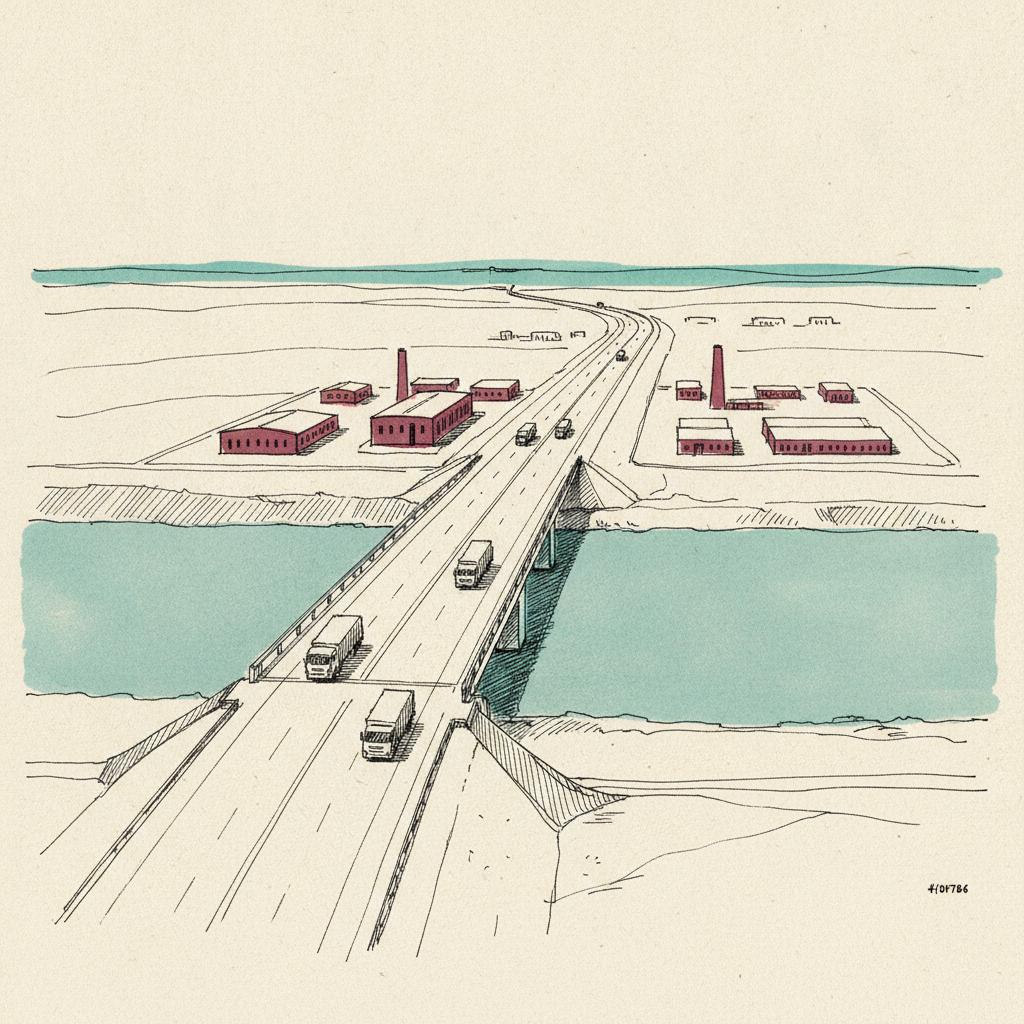
Road supply corridor Russia opened in 2022 through occupied Ukrainian territory to bypass the Kerch Strait Bridge.
Last refreshed: 9 June 2026 · Appears in 1 active topic
With drone fire control over the T-22-09 corridor, how long can Russia keep Crimea supplied?
Timeline for T-22-09 corridor
Ukraine cuts into Crimea's supply spine
Russia-Ukraine War 2026Background
The T-22-09 corridor is Russia's overland supply route from occupied Donbas through Zaporizhzhia and Kherson oblasts to Crimea, opened in March 2022 after Russia seized a contiguous land bridge. It runs through Melitopol and Henichesk, supplementing the Kerch Bridge as Crimea's logistics spine.
ISW assessed in June 2026 that Ukraine achieved drone fire control over the T-22-09 corridor following Code 9.2's Chonhar Bridge strike on 7 June and sustained drone pressure on supply convoys. Crimea rationed petrol to 20 litres per vehicle per week; food shortages in buckwheat, sugar, rice, and flour spread across the peninsula. Ukrainian Defence Minister Fedorov described the campaign as a "logistics lockdown."
What is Russia's T-22-09 land corridor to Crimea?
What does drone fire control over the T-22-09 corridor mean for Crimea?
Why is Russia's land corridor to Crimea more important than the Kerch Bridge?


Written with AI from Lowdown's published reporting. Not individually reviewed by an editor. Updated 9 June 2026. Editorial standards.