Skip to content
Briefings are running a touch slower this week while we rebuild the foundations.See roadmap
Iran Conflict 2026
22APR

GL-U Sanctions Cliff in Nine Days

2 min read
10:22UTC

OFAC / US Treasury

ConflictDeveloping
Key takeaway

GL-U expiry is the first economic cliff the ceasefire must clear.

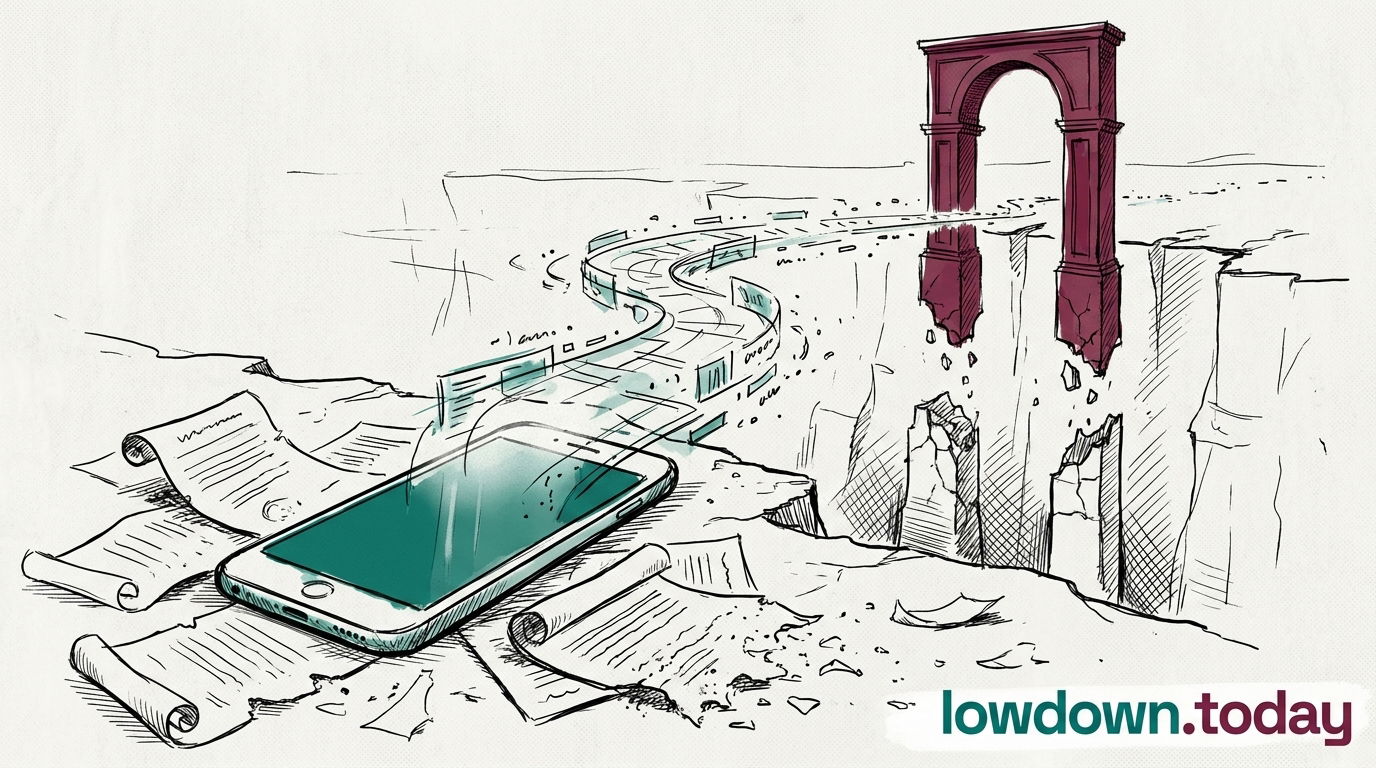
OFAC (Office of Foreign Assets Control) General License U expires on 19 April with no Treasury renewal signal issued. GL-U was the first broad US authorisation of Iranian-origin crude since sanctions began . Its expiry was built into the instrument; the question is whether the ceasefire creates political pressure for renewal. Treasury's silence so far is ambiguous: it may reflect deliberate leverage (renewable on demand) or indifference (the ceasefire will collapse before it matters).

GL-U lapses on 19 April; ceasefire ends 22 April. Tanker operators face a three-day window of legal exposure where the cargo is recriminalised but the political situation remains in flux. The 325 tankers stranded inside the Gulf would face simultaneous maritime and sanctions legal jeopardy. Insurers will not cover that exposure without formal renewal.

Renewal would signal US flexibility on sanctions and support the ceasefire's economic architecture. Non-renewal would force tanker operators to choose between legal exposure and abandoning cargo, three days before the political deadline that was supposed to resolve everything.

Deep Analysis

In plain English

There is a legal permit called General License U that lets ships carry Iranian oil without breaking US sanctions law. It expires in nine days. 325 oil tankers are stuck waiting to know if they can deliver their cargo legally. No one in the US government has said whether they will renew it. If they do not, those ships' oil becomes illegal to sell — three days before the ceasefire itself is even supposed to end.

Deep Analysis
Root Causes

GL-U exists because the ceasefire announcement created an immediate legal problem: 325 tankers loaded with Iranian crude before the ceasefire were suddenly in transit without legal authorisation. Treasury issued GL-U as a temporary fix, not a permanent policy shift.

Its 30-day life span was built in; renewal requires a positive decision that the ceasefire has been extended or formalised. The silence signals no such decision has been made.

What could happen next?
  • Risk

    GL-U non-renewal recriminalises 325 stranded tankers' cargoes three days before the ceasefire ends, creating simultaneous maritime and sanctions legal jeopardy that insurers will not cover.

  • Consequence

    Treasury's decision on GL-U is the first concrete economic signal of the ceasefire's viability — renewal signals flexibility, lapse signals maximum pressure is unchanged.

First Reported In

Update #64 · Islamabad talks open already cracked

Washington Post· 10 Apr 2026
Read original
Different Perspectives
Israel
Israel
The IDF struck a Lebanese army unit on 6 June, killing a colonel, and privately told Moscow that shelling near Bushehr was accidental, per Putin's SPIEF disclosure. Israel is advancing in Lebanon past an unenforced ceasefire text while maintaining a back-channel to Russia on nuclear-site deconfliction.
Lebanon
Lebanon
President Aoun told CNN on 5 June that Iran uses Lebanon as a bargaining chip and urged Hezbollah toward diplomacy; on 6 June an IDF strike killed a Lebanese army colonel on the Khardali-Nabatieh road. The Lebanese state is publicly rejecting Iranian tutelage while the army sustains casualties from Israeli fire and the Washington framework remains unenforced.
Bahrain
Bahrain
Bahrain's US Fifth Fleet headquarters was among the targets in the 5-6 June two-country salvo; its PAC-3 magazine stands at 87 per cent depletion with an 18-month resupply gap and no comparable arms sale has been announced. The state is defending a critical US regional command on a thinning interceptor stock.
Kuwait
Kuwait
Kuwait received a $1.98bn US counter-drone sale approval on the same day IRGC missiles targeted its bases; it expelled two Iranian diplomats on 4 June and filed a formal protest. The arms approval gives Kuwait a future capability but leaves a 6-18 month delivery gap that the salvo tempo is already pressing.
Russia
Russia
Putin reaffirmed Russia's offer to hold Iran's 440.9 kg HEU at SPIEF on 6 June, said Russia is not arming Iran, and disclosed that both the US and Israel privately told Moscow that shelling near Bushehr was accidental. The restatement casts Moscow as the only remaining mediator both sides call, a position serving Russian interests whatever the nuclear file produces.
Iran
Iran
The IRGC, per Iranian state media, fired seven ballistic missiles at US bases in Kuwait and Bahrain, the largest two-country salvo of the war, and framed the launches as lawful retaliation; Foreign Minister Araghchi rejected Aoun's bargaining-chip accusation and Velayati warned Beirut against diplomatic naivety. Tehran has sent no HEU counter-proposal since Araghchi confirmed no progress on 4 June.