Skip to content
Briefings are running a touch slower this week while we rebuild the foundations.See roadmap
Iran Conflict 2026
21APR

Grid strike deadline looms over Iran

2 min read
10:51UTC

The third energy ultimatum expires on 6 April with no extension announced. Previous deadlines were extended days in advance.

ConflictAssessed
Key takeaway

Enforcing the deadline fractures alliances; extending it again exhausts the threat.

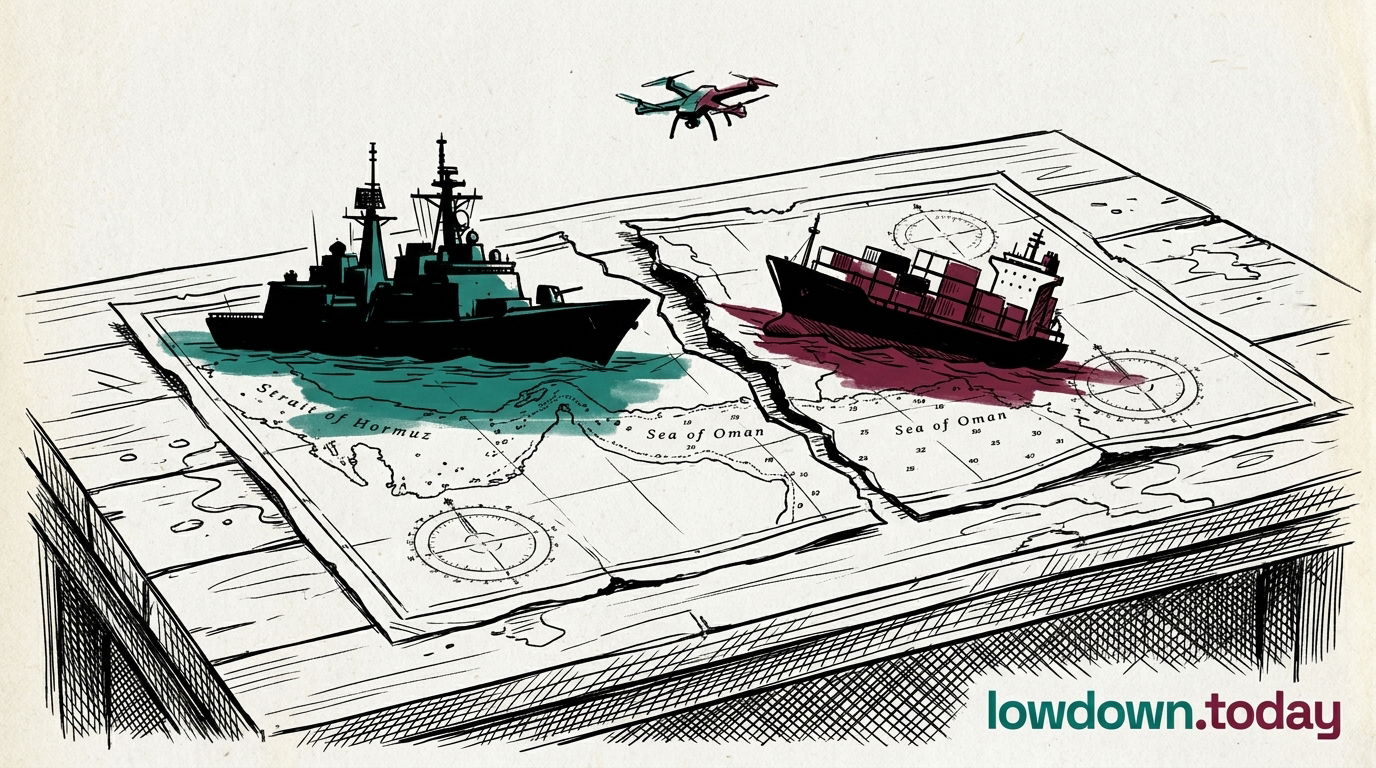
Trump's third energy deadline expires at 8pm EDT on 6 April . Iran must reopen the strait of Hormuz or face strikes on 15 identified power grid nodes, a scenario analysts project would leave Iran without electricity until 2027. No extension has been announced as of 4 April morning. Prior extensions came two to three days in advance. 1

The deadline arrives in a changed context. France and Japan just transited Hormuz by paying Iran. The US lost its first aircraft. Iran's Majlis voted 221-0 to suspend IAEA cooperation . The previous two deadlines (16 March, 23 March) were extended; the third was set for 6 April on 27 March. Each extension eroded the threat's credibility.

Three outcomes: grid strikes, a fourth extension, or quiet abandonment. Enforcing it now would require strikes against civilian power infrastructure while allies actively pay Iran for passage. Not enforcing it would confirm the deadline mechanism is spent.

Deep Analysis

In plain English

Trump has three times set a deadline for Iran to reopen the Strait of Hormuz or face strikes on its power grid. The third deadline expires on 6 April. The previous two were extended at the last minute. As of 4 April, no extension has been announced, but France and Japan just paid Iran to use the strait. If Trump enforces the deadline, he strikes civilian infrastructure while allies are doing deals with Iran. If he extends again, the threat stops meaning anything.

Deep Analysis
Root Causes

Each deadline extension was driven by allied pressure and the absence of a clear enforcement trigger. France, Germany, and the UK lobbied against grid strikes on civilian infrastructure at each previous extension.

The Pakistan-Vance back-channel before Kharazi's wounding provided a diplomatic off-ramp that justified delay. Neither factor has been resolved; both have worsened as France and Japan's transits signal the collective posture is already broken.

What could happen next?
  • Risk

    Grid strikes on civilian power infrastructure would trigger a European and UN response that fractures remaining alliance support for the campaign.

    Immediate · High
  • Consequence

    A fourth extension would confirm the deadline mechanism is exhausted, removing coercive pressure on Iran permanently within this conflict.

    Short term · High
  • Opportunity

    Quiet abandonment of the deadline, without announcement, could allow face-saving de-escalation if paired with a back-channel ceasefire signal from Pezeshkian.

    Short term · Low
First Reported In

Update #58 · First US aircraft fall over Iran

CNBC / Al Jazeera / NPR· 4 Apr 2026
Read original
Different Perspectives
Israel
Israel
The IDF struck a Lebanese army unit on 6 June, killing a colonel, and privately told Moscow that shelling near Bushehr was accidental, per Putin's SPIEF disclosure. Israel is advancing in Lebanon past an unenforced ceasefire text while maintaining a back-channel to Russia on nuclear-site deconfliction.
Lebanon
Lebanon
President Aoun told CNN on 5 June that Iran uses Lebanon as a bargaining chip and urged Hezbollah toward diplomacy; on 6 June an IDF strike killed a Lebanese army colonel on the Khardali-Nabatieh road. The Lebanese state is publicly rejecting Iranian tutelage while the army sustains casualties from Israeli fire and the Washington framework remains unenforced.
Bahrain
Bahrain
Bahrain's US Fifth Fleet headquarters was among the targets in the 5-6 June two-country salvo; its PAC-3 magazine stands at 87 per cent depletion with an 18-month resupply gap and no comparable arms sale has been announced. The state is defending a critical US regional command on a thinning interceptor stock.
Kuwait
Kuwait
Kuwait received a $1.98bn US counter-drone sale approval on the same day IRGC missiles targeted its bases; it expelled two Iranian diplomats on 4 June and filed a formal protest. The arms approval gives Kuwait a future capability but leaves a 6-18 month delivery gap that the salvo tempo is already pressing.
Russia
Russia
Putin reaffirmed Russia's offer to hold Iran's 440.9 kg HEU at SPIEF on 6 June, said Russia is not arming Iran, and disclosed that both the US and Israel privately told Moscow that shelling near Bushehr was accidental. The restatement casts Moscow as the only remaining mediator both sides call, a position serving Russian interests whatever the nuclear file produces.
Iran
Iran
The IRGC, per Iranian state media, fired seven ballistic missiles at US bases in Kuwait and Bahrain, the largest two-country salvo of the war, and framed the launches as lawful retaliation; Foreign Minister Araghchi rejected Aoun's bargaining-chip accusation and Velayati warned Beirut against diplomatic naivety. Tehran has sent no HEU counter-proposal since Araghchi confirmed no progress on 4 June.