Skip to content
You can now search across every topic, entity and event.What's new
Iran Conflict 2026
10APR

Pakistan Hormuz deal: 40 ships of 2,000

2 min read
08:05UTC

Islamabad secured passage for 20 more vessels, but the deal covers a fraction of the queue and preserves Iran's legal claim over the strait.

ConflictDeveloping
Key takeaway

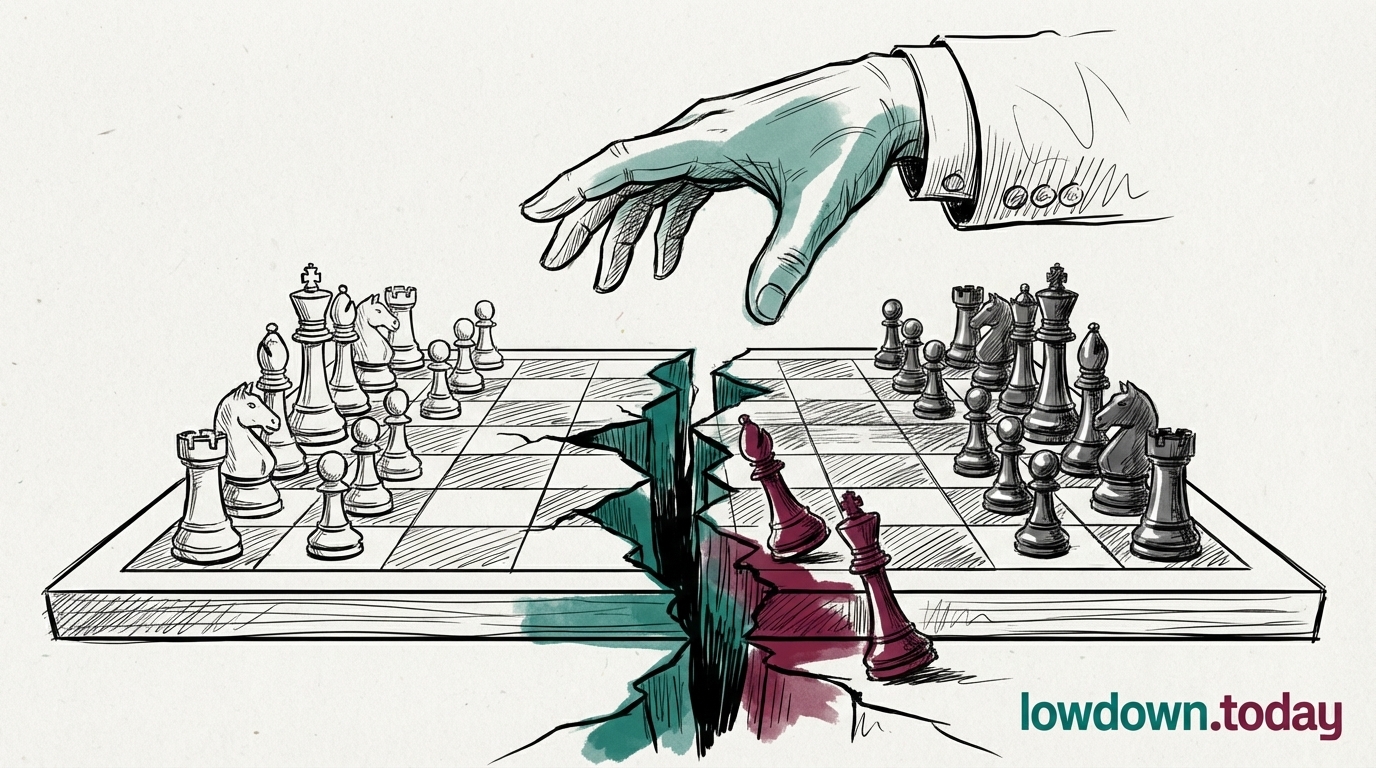
Pakistan's Hormuz deal reinforces Iran's sovereignty claim while covering under 2% of stranded vessels.

Pakistan secured a second bilateral deal with Iran: 20 more vessels at two per day, bringing the total to approximately 40 Pakistani-flagged ships 1. Iran's state media framed it as a bilateral arrangement, not a concession on Hormuz sovereignty. Against approximately 2,000 stranded ships , 40 vessels represents less than 2% of the queue.

Prime Minister Shehbaz Sharif held what Pakistani officials described as "extensive discussions" with Iranian President Masoud Pezeshkian. Finance Minister Ishaq Dar called the deal a "harbinger of peace." It is not. Every bilateral deal reinforces Tehran's leverage by demonstrating that Hormuz passage now flows from Iranian permission, not international law. Each agreement concedes the premise that Iran controls the strait .

Deep Analysis

In plain English

The Strait of Hormuz has about 2,000 ships stuck waiting to pass through. Pakistan negotiated a deal to get 40 of its own ships through, two per day. That is less than 2% of the queue. The deal is significant not for the ships it moves but for what it implies: Pakistan accepted that Iran's permission is required to transit an international waterway. International law says Iran has no right to charge that toll or require that permission. Every bilateral deal like this one makes it slightly harder to argue that Iran is violating international law, because sovereign states are effectively recognising Iran's authority by asking for its approval.

First Reported In

Update #51 · Iran hits aluminium plants; Hormuz emptying

PressTV· 29 Mar 2026
Read original
Different Perspectives
Qatar (mediator)
Qatar (mediator)
Qatari negotiators flew to Tehran on Sunday morning to close remaining gaps between the parties, operating as the primary shuttle channel. Qatar's role is to bridge the civilian-track gap the IRGC veto has left.
IAEA / Rafael Grossi
Grossi replied to Araghchi's 13 June protection-of-materials letter the same day, citing Iran's NPT Safeguards Agreement obligation to declare any nuclear material transfer. With 97 days of lost inspector access and approximately 240 kg unaccounted, Grossi has treaty text and no inspectors on the ground to enforce it.
United Arab Emirates
The UAE state oil company assessed full Hormuz flows will not resume until 2027 even with a fast deal, citing demining, inspection, and insurance timelines. The UAE ambassador to Washington said a simple ceasefire is not enough.
Islamic Revolutionary Guard Corps (IRGC)
The IRGC ran naval exercises in Hormuz during Geneva talks and its political deputy declared Iran was negotiating from a position of strength. The corps has not endorsed the MoU; by amplifying Mashhad protests through Fars, it is framing any deal as conditions it imposed rather than a concession it accepted.
Iran Foreign Ministry / Araghchi
Araghchi's dilute-in-Iran red line was met by the US concession, but his foreign ministry spokesman said Tehran had not taken a final decision and a signing might come in days, not Sunday. Araghchi separately wrote to the IAEA pledging to protect nuclear materials as dilution negotiations advanced.
White House / US negotiating team
Washington accepted dilution inside Iran rather than ship-out, its first substantive material concession in 106 days, the New York Times reported. With the White House register blank and the ceremony slipped a third weekend, the administration has moved its negotiating position without yet producing a document.