Skip to content
Welcome, thoughtbot's Giant Robots listeners!Start here
Iran Conflict 2026
30MAR

Habshan shut; UAE records first dead

2 min read
08:00UTC

The UAE's air defences intercepted 69 projectiles in one day. Debris from those intercepts killed 12 people and shut down the country's largest gas hub.

ConflictAssessed
Key takeaway

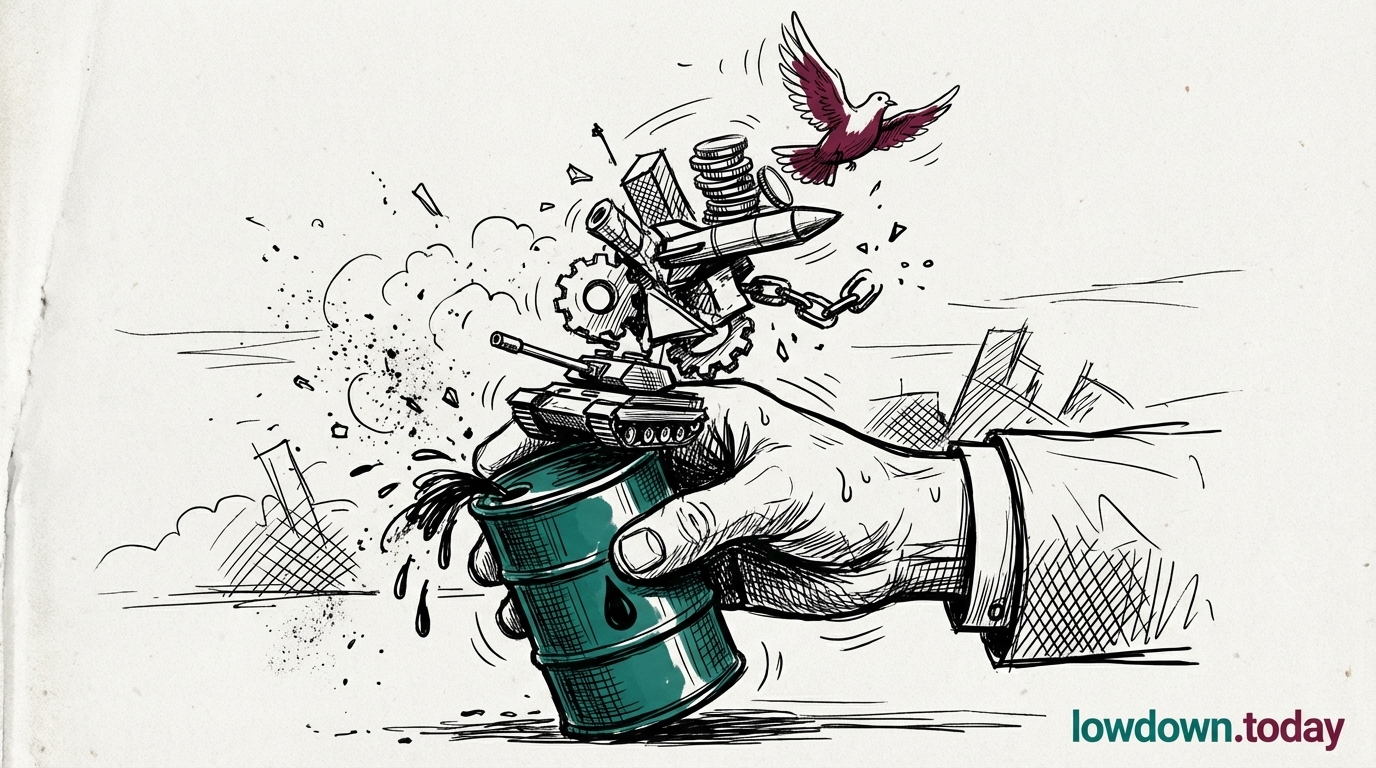
Intercept debris is causing the casualties and shutdowns that direct hits would cause.

The UAE Ministry of Defence reported intercepting 18 ballistic missiles, 4 cruise missiles, and 47 drones on 3 April alone. Cumulative totals since 28 February now stand at 475 ballistic missiles, 23 cruise missiles, and 2,085 drones. The interception rate remains high. The consequences of interception do not.⁠1

Habshan gas facility, the UAE's largest domestic gas processing hub, fully suspended operations after debris from intercepted projectiles struck the site for a second time. One Egyptian national died during evacuation. Two UAE Armed Forces members were killed on duty, the first confirmed UAE military fatalities of the conflict. Ten civilians died from debris: Pakistani, Nepalese, Bangladeshi, Palestinian, and Indian nationals.

CENTCOM has described Iranian strike capability as "dramatically curtailed." The UAE intercepted 37 ballistic missiles in two days. Those two propositions cannot both be true.

Deep Analysis

In plain English

The UAE has been intercepting incoming Iranian missiles and drones every day since the war began. When a missile is shot down, its wreckage still falls somewhere. On 3 April, that falling debris hit the UAE's largest gas processing plant, killed 12 people, and forced the facility to shut down. The UAE's air defences are working well at hitting the missiles, but they cannot control where the pieces land.

Deep Analysis
Root Causes

Iran's strike strategy targets Gulf state critical infrastructure to raise the economic and political cost of hosting the US campaign. Habshan was struck a second time because the first demonstrated it was reachable and that interceptor debris could cause shutdown regardless of a direct hit.

The IRGC exploited interceptor geometry: fragments scatter over a wide area with no controllable trajectory. Pete Hegseth's firing of the Army Chief of Staff on 2 April during active UAE operations planning removed a commander who had flagged these cascading risks, replacing him with a political loyalist mid-campaign.

What could happen next?
  • Consequence

    Habshan's second suspension reduces UAE domestic gas processing capacity and increases energy import costs at a moment of regional supply disruption.

  • Risk

    First UAE military fatalities increase domestic political pressure on Abu Dhabi to reassess its passive hosting of a US-led campaign.

First Reported In

Update #58 · First US aircraft fall over Iran

Gulf News / UAE Ministry of Defence· 4 Apr 2026
Read original →
Different Perspectives
International Energy Agency
G7 members agreed on 2 October to release up to 100 million barrels through the IEA over four months, front-loading diesel.
China
China
China signed the 15 October text reaffirming the Resolution 2216 arms embargo on the Houthis. The Wall Street Journal reported that Conflict Armament Research found Chinese parts in a Houthi copy of Iran's Kheibarshekan missile.
Russia
Russia
Russia joined the 15 October consensus condemning the Houthis, a month after vetoing a mandate for a UN panel of experts on Iran sanctions on 17 September. One Western official told Bloomberg that Moscow is providing Iran with missiles, and the White House rejected the assessment.
India
India
National Security Adviser Ajit Doval raised seafarer safety with Mohsen Rezaei on 12 October, after a drone hit the Petro Dolphin with 11 Indians aboard at Sohar. External Affairs Minister S. Jaishankar urged that attacks on commercial shipping and seafarers be avoided.
Lebanon
Lebanon
President Joseph Aoun met UN peacekeeping chief Jean-Pierre Lacroix in Beirut on 14 October as UNIFIL winds down before its mandate ends on 31 December. Two days later Qatar's prime minister pledged in Beirut to fund a solar plant for Lebanon.
Kataib Hezbollah
Kataib Hezbollah
The militia announced a halt to operations except against "hostile aircraft" and denied any disarmament deal with Prime Minister Ali al-Zaidi. A day later Quds Force chief Esmail Qaani urged eliminating "remaining traces of the US presence in other arenas".

Written with AI from Lowdown's published reporting. Not individually reviewed by an editor. Editorial standards.