Skip to content
You can now search across every topic, entity and event.What's new
Iran Conflict 2026
21SEP

Pakistan confirms talks; Ghalibaf denies

2 min read
15:34UTC
ConflictDeveloping

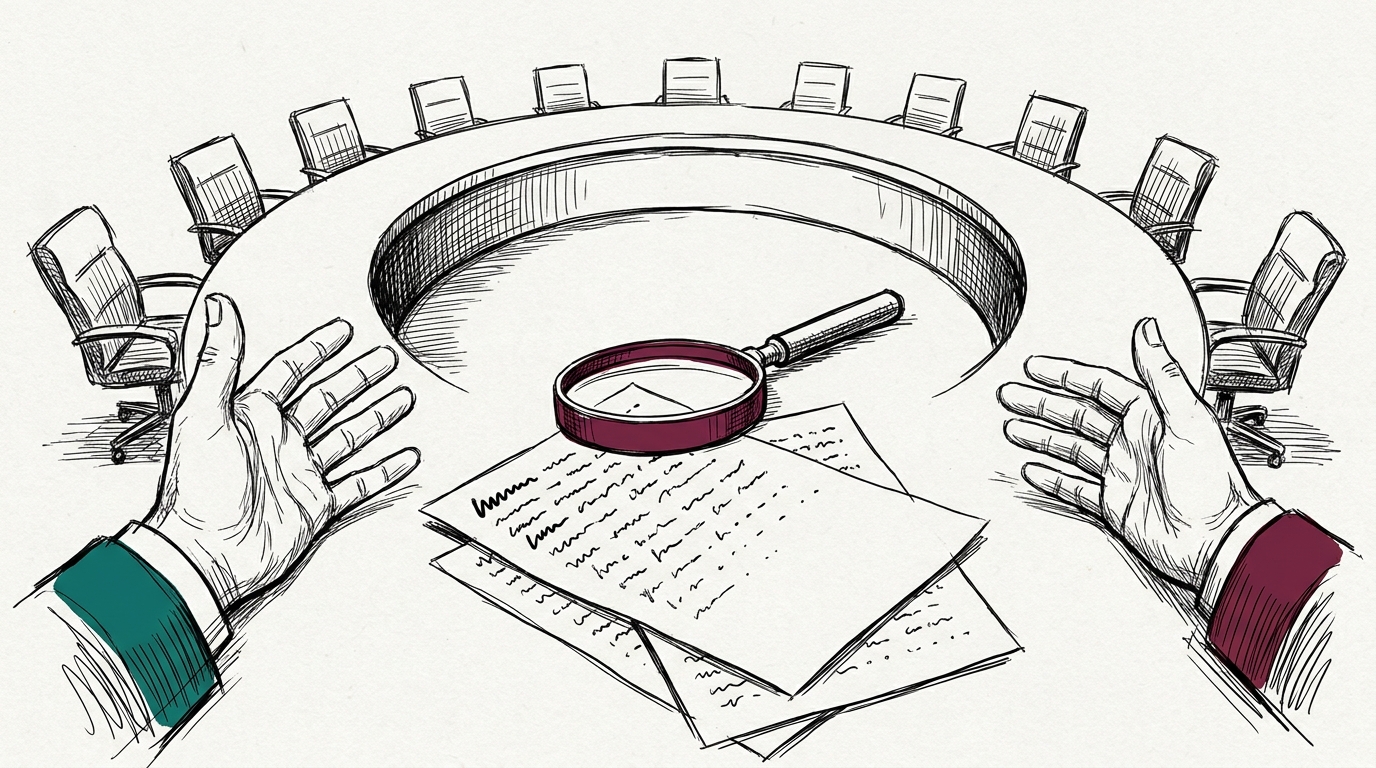
Pakistan Foreign Minister Ishaq Dar confirmed on 26 March that Pakistan is facilitating indirect talks between the US and Iran, relaying a 15-point American proposal that Tehran is reviewing. 1 Dar stated publicly that 'the United States has shared 15 points, being deliberated upon by Iran.' The White House would not confirm any scheduled meeting, stating 'nothing official until announced by White House.' Vice President JD Vance has been proposed as the US interlocutor; Parliamentary Speaker Ghalibaf as the Iranian counterpart .

The Pakistan confirmation is the first time a third-party intermediary has publicly confirmed the existence of a channel, distinct from Iran's prior denial of any negotiations . India, Pakistan, Iraq, Malaysia, and China had previously negotiated directly with Tehran on bilateral transit arrangements , establishing Pakistan's credibility as an interlocutor with access to the Iranian government.

The contradiction at the centre of this development is Ghalibaf himself. On the same day Pakistan confirmed the talks and secured his removal from the joint targeting list, Ghalibaf called Trump's claim of Iranian peace overtures an attempt to 'escape the quagmire.' 2 He also threatened an unnamed regional neighbour, widely understood to be the UAE, with 'continuous and relentless attacks' on vital infrastructure if it assists in a Kharg Island operation. 3

Iran's proposed peace envoy is publicly threatening to destroy Gulf infrastructure on the day his protective status is confirmed. This is either sophisticated negotiating posture (arrive at the table having demonstrated willingness to burn it) or evidence that the talks have no Iranian institutional backing and Ghalibaf is performing for a domestic audience rather than engaging with the diplomatic framework Pakistan has built.


Deep Analysis

In plain English

Pakistan's foreign minister announced publicly that Pakistan is passing messages between the US and Iran, and that the US has sent Iran a list of 15 proposals for ending the war. On the same day, the Iranian official who was supposed to sit across from the US vice-president in Islamabad called the whole thing an attempt by Trump to 'escape the quagmire' and threatened to attack Gulf states. Whether that is Iran playing hardball before sitting down, or Iran signalling it has no intention of talking, is the central question nobody can answer yet.

Deep Analysis
Root Causes

The structural tension is between domestic political positioning and diplomatic flexibility. Ghalibaf represents the hardline parliamentary faction and calculates that demonstrating strength domestically is more valuable than demonstrating flexibility internationally.

Pakistan's incentive to publicise the channel differs from Iran's incentive to keep it quiet. The mediator's credibility requirements conflict with the parties' secrecy requirements.

First Reported In

Update #49 · Hormuz toll into law; Tangsiri killed

Arab News / Wall Street Journal· 27 Mar 2026
Read original
Different Perspectives
Shipping and insurance industry
UKMTO counted about 20 US-facilitated Hormuz transits a day to 11 September against only 6 visible on AIS, with traffic still around 90% below the 138-a-day pre-war baseline. War-risk underwriters cannot price hulls they cannot see, or resolve whether the tanker El Gaia hit a mine, as Iran claims, or a missile and drone, as CENTCOM says.
European refiners
European refiners
European refiners, including Poland's Orlen, absorbed a roughly $26 gap between Dated Brent at $130.80 on 15 September and ICE Brent futures settling at $103.87 on 18 September, a spread that widened from $13.45 on 9 September rather than newly opening. Their futures hedges no longer cover what they now pay for physical barrels.
Saudi Arabia
Saudi Arabia
Saudi Aramco zeroed European term customers' October allocations and rerouted roughly 60 million barrels to Asia through Ras Tanura and Sohar, using Red Sea and Gulf terminal capacity built years ago to cut Hormuz exposure. Riyadh reallocated existing supply rather than negotiating a shortfall with Europe.
Qatar
Qatar
Qatar's energy minister Saad al-Kaabi told Bloomberg at the Qatar Economic Forum on 20 September that Bessent's two-year Hormuz-obsolescence forecast is wrong, and that Doha has deliberately built no bypass pipeline. Qatar's gas exports run through one waterway by choice, not oversight.
Iran (foreign ministry and Majlis)
Iran's foreign ministry and 130 Majlis deputies moved toward NPT withdrawal this week, with lawmaker Hossein-Ali Haji Deligani filing a triple-urgency bill on 20 September that Speaker Qalibaf has not yet scheduled. Tehran treats treaty membership as leverage still on the table, not yet spent.
Russia and China
Russia and China
Moscow and Beijing vetoed the Panel of Experts' renewal, maintaining Resolution 2231 lapsed in October 2025 and the 2025 snapback was never validly triggered, so the sanctions architecture the Panel enforces has no current legal standing. Both governments frame the veto as upholding law, not shielding Tehran.



