Skip to content
You can now search across every topic, entity and event.What's new
Iran Conflict 2026
20AUG

Houthis threaten second chokepoint

1 min read
16:36UTC

Three days of sustained attacks on Israel establish that Ansar Allah can maintain tempo. The question is whether they close the strait.

ConflictDeveloping
Key takeaway

The Houthi front is calibrated escalation, not symbolic gestures.

Ansar Allah struck Israel for a third consecutive day on 30 March . All projectiles were intercepted. Deputy Information Minister Mohammed Mansour described Bab al-Mandeb closure as "among our options" in a staged escalation, contingent on Israeli or US ground movement. 1

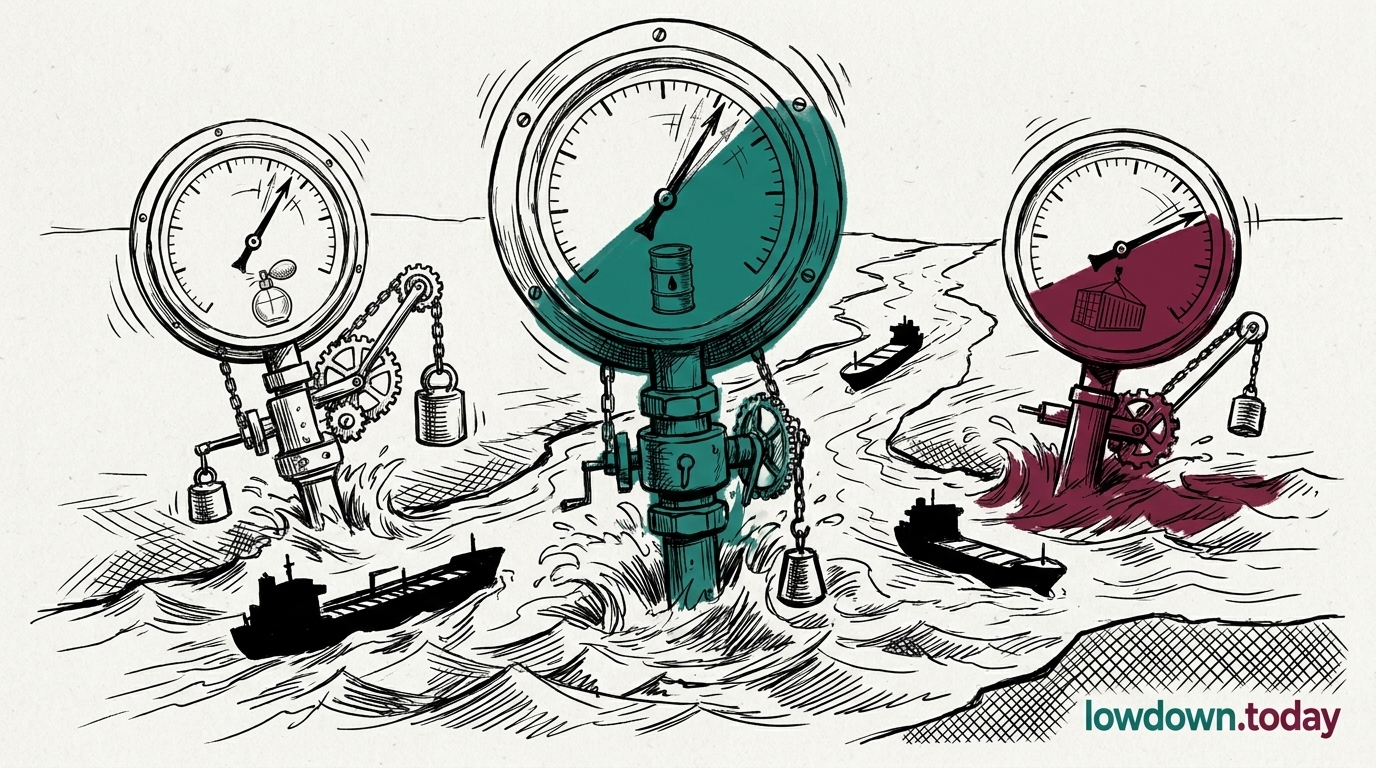
No formal blockade has been imposed. All vessels, including US- and Israeli-linked ships, continue to transit. But three days of attacks confirm sustainable operational tempo. Combined with near-total Hormuz closure, a formal Bab al-Mandeb blockade would place simultaneous pressure on the world's two most critical oil transit routes for the first time since the 1973 oil crisis. MARAD and UKMTO have already confirmed deliberate GNSS denial spanning both chokepoints .

Deep Analysis

In plain English

The Houthis control much of northern Yemen and have been attacking ships in the Red Sea since 2024. They are also allied with Iran. For three days running, they have fired missiles and drones toward Israel; all were intercepted. Bab al-Mandeb is a narrow strait between Yemen and Djibouti. About 10% of all world trade and a large share of oil from the Gulf to Europe passes through it. If the Houthis block it, combined with Iran blocking the Strait of Hormuz, two of the world's main oil routes would be shut simultaneously. That last happened in 1973 during the Arab oil embargo. It triggered a global recession. The Houthis have not closed Bab al-Mandeb yet, but their deputy minister said it is an option.

First Reported In

Update #53 · Trump drops Hormuz goal; toll becomes law

Al Jazeera· 31 Mar 2026
Read original
Different Perspectives
UK Maritime Trade Operations
UKMTO logged six armed men boarding a tanker 136 nautical miles east of Al Mukalla on 20 August and redirecting it toward Somalia. A vessel steered toward the Somali coast reads as an attempted seizure, a distinct hazard from the stand-off strikes the same lane has seen before.
Mohammad Bagher Ghalibaf
Iran's Majlis speaker received Iraq's Hormuz carve-out request in Baghdad on 19 August, a request that treats passage as Tehran's to grant. Ghalibaf's authority over that grant sits alongside the Revolutionary Guard's separate transit rules, which have moved independently of Iran's foreign ministry before.
Haibat al-Halbousi
Haibat al-Halbousi
Iraq's parliament speaker asked Iran for special consideration on Iraqi Hormuz oil exports during Ghalibaf's 19 August Baghdad visit. Iraq presses the request from a weak position: Iran's central bank is simultaneously demanding Baghdad release Iranian reserves parked in Iraqi accounts.
Federal Department of Economic Affairs, Education and Research
Switzerland's economics ministry updated the Article 21 forms governing lawful Iran money transfers on 19 August, with only the revised forms accepted from 26 August. Bern operates one of the few remaining legal Iran payment channels and has just set a hard cutover on its control point.
Motegi Toshimitsu
Motegi Toshimitsu
Japan's foreign minister said in Muscat on 20 August that Tokyo wants closer coordination with Oman on safe Hormuz and Bab el-Mandeb passage. Japan has no naval presence of its own in the strait, so it is routing the ask through the state negotiating with Iran instead.
Badr bin Hamad Al Busaidi
Oman's foreign minister joined Japan's in Muscat on 20 August to call for intensified coordination on Hormuz and Bab el-Mandeb navigation. Oman also runs the mediation track with Tehran, so the appeal travels through the same channel as the negotiation.