Skip to content
Welcome, thoughtbot's Giant Robots listeners!Start here
Iran Conflict 2026
31JUL

Oil prices a Hormuz reopening that has not happened

4 min read
09:24UTC

Brent crude fell to about $77.22 on 18 June, a pre-war level, while not one tanker resumed transit, insurers kept the strait excluded and the mines stayed live. The market is reading the signature; the water disagrees.

ConflictDeveloping
Key takeaway

Brent is pricing a reopening that no insurer, mine crew or transit log has yet confirmed on the water.

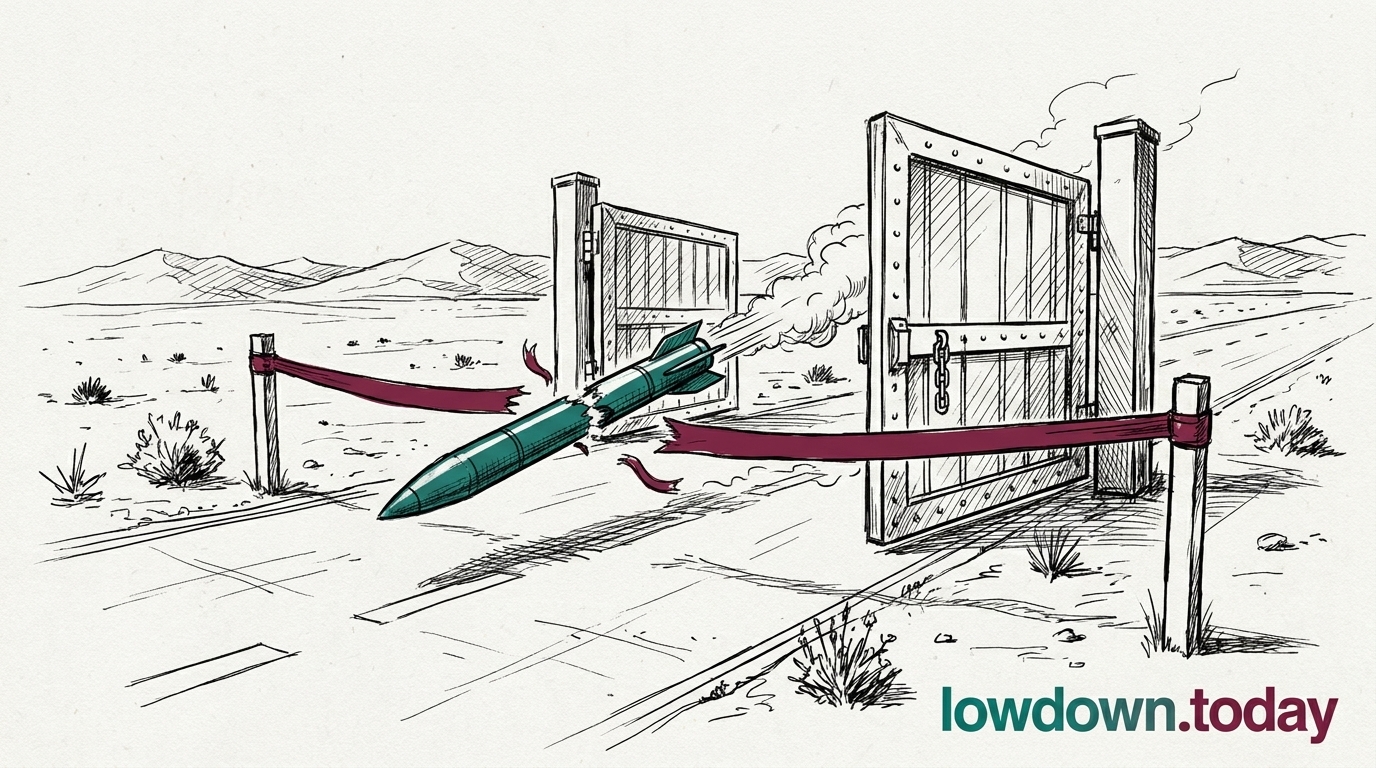
Brent Crude, the benchmark that sets the price of roughly two-thirds of internationally traded oil, fell to about $77.22 on 18 June, down 6.9 per cent from $82.98 and back to a level last seen before the war⁠1. Traders treated the signed Islamabad Memorandum of Understanding (MoU) as a completed reopening of the Strait of Hormuz. Not one tanker resumed transit.

The physical strait tells a different story from the screen. No Protection and Indemnity (P&I) club, the mutual insurers that cover roughly 90 per cent of ocean-going tonnage, has lifted its Hormuz war-risk exclusion; premiums sit at four to twenty times pre-war levels, and transits run near 6 per cent of baseline. Mine-clearance crews are still working uncleared waters: an IRGC vessel issued a radio warning to a US warship during that work on signing day. None of that has reached the insurance market that decides whether a hull moves.

Brent had touched $87.33 only days earlier and slipped below $90 when the ceasefire first looked probable; the slide now prices an operational resumption rather than a rising probability of one. If the OFAC waiver never lands, or the 60-day toll-free window lapses into a fee, the gap between paper and water closes upward. Brent at $77 runs several weeks ahead of any operational change in the strait itself.


Deep Analysis

In plain English

Financial markets and physical ships operate on different clocks. Traders in London can reprice oil within seconds of reading a news headline. A tanker captain deciding whether to sail through the strait of Hormuz needs to know the mines have been cleared, that his insurance still covers him, and that an armed vessel will not stop him halfway through. On 18 June, Brent fell 6.9% to $77.22 as traders priced the deal as a completed reopening. Yet BIMCO, the world's largest shipowner association, confirmed no P&I club had lifted its war-risk exclusion. CENTCOM's two carrier groups continued redirecting vessels. Iranian-laid mines remained uncleared. Zero commercial tankers completed a Hormuz transit that day. The price moved; the strait did not.

What could happen next?
  • Risk

    If no commercial tanker completes a Hormuz transit by 25 June, Brent is likely to rebound toward $82 to $84 as traders recognise the physical-to-paper gap.

    Immediate · Assessed
  • Consequence

    Saudi Arabia's four idle supergiant fields , representing 2 to 2.5 million barrels per day of capacity , will not restart until owners confirm Hormuz is operationally clear, because VLCC loading at Safaniya and Ras Tanura exits via the strait.

    Short term · Assessed
  • Opportunity

    The first commercial VLCC completing a Hormuz transit under P&I cover would be the most significant operational market signal since the conflict began, likely accelerating the Brent decline by a further $3 to $5.

    Short term · Reported
First Reported In

Update #131 · Iran deal's first death tests the text

CNBC· 18 Jun 2026
Read original →
Different Perspectives
United States (Joint Maritime Information Center)
The JMIC, the US-led naval reporting cell, rated the Hormuz threat "severe" in its 25 October advisory, as reported by gCaptain, and warned of possible renewed mining. Eight days earlier it found no substantiation for the Guards' mine claims, while US-facilitated transits ran at about 34 a day.
United Kingdom (CPS and Counter Terrorism Policing)
The CPS charged two men under the National Security Act 2023 over the RAF Fairford incident, and Counter Terrorism Policing said it believes the foreign intelligence service involved is Iran's, LBC reported. The case now runs through the courts; both men are charged, not convicted.
Aden and Yemen's recognised government
The Houthis told people to leave Aden airport, in the government-held south, before a missile fell there on 28 October, AFP reported, and police reported a second attack that afternoon. The fight between Riyadh and the Houthis is landing on the south's main civilian airport.
Qatar (mediators)
Qatar (mediators)
Qatar-led mediators put new terms to Iran this week, which an Iranian official called "ideas, not a proposal". Riyadh framed the Tehran meeting as support for Qatari and Pakistani mediation, keeping Doha at the centre of the indirect channel.
Korea Shipowners' Association
The association said the ships Iran listed were sub-chartered to an overseas oil company, not owned by Sinokor, carried no South Korean crew, and that Sinokor was unaware of the warning. South Korea's shipowners are contesting whose vessels the notice covers before it takes effect.
Kuwait (foreign ministry)
Kuwait summoned Iran's ambassador, Mohammad Toutounji, and handed him a protest note over the embassy's denial that its citizen took part in the alleged plot against Interior Minister Fahad Al-Yousef. Kuwait is answering through its courts and a diplomatic protest, citing international law and the UN Charter.

Written with AI from Lowdown's published reporting. Not individually reviewed by an editor. Editorial standards.